The James Hall Museum of Transport in Johannesburg is Africa's largest and most comprehensive land transport museum, tracing South Africa’s transport history from animal-drawn vehicles in 1870, through trams and trolleybuses from 1896, to motor cars from 1900. It also houses much of the country’s electric vehicle history.
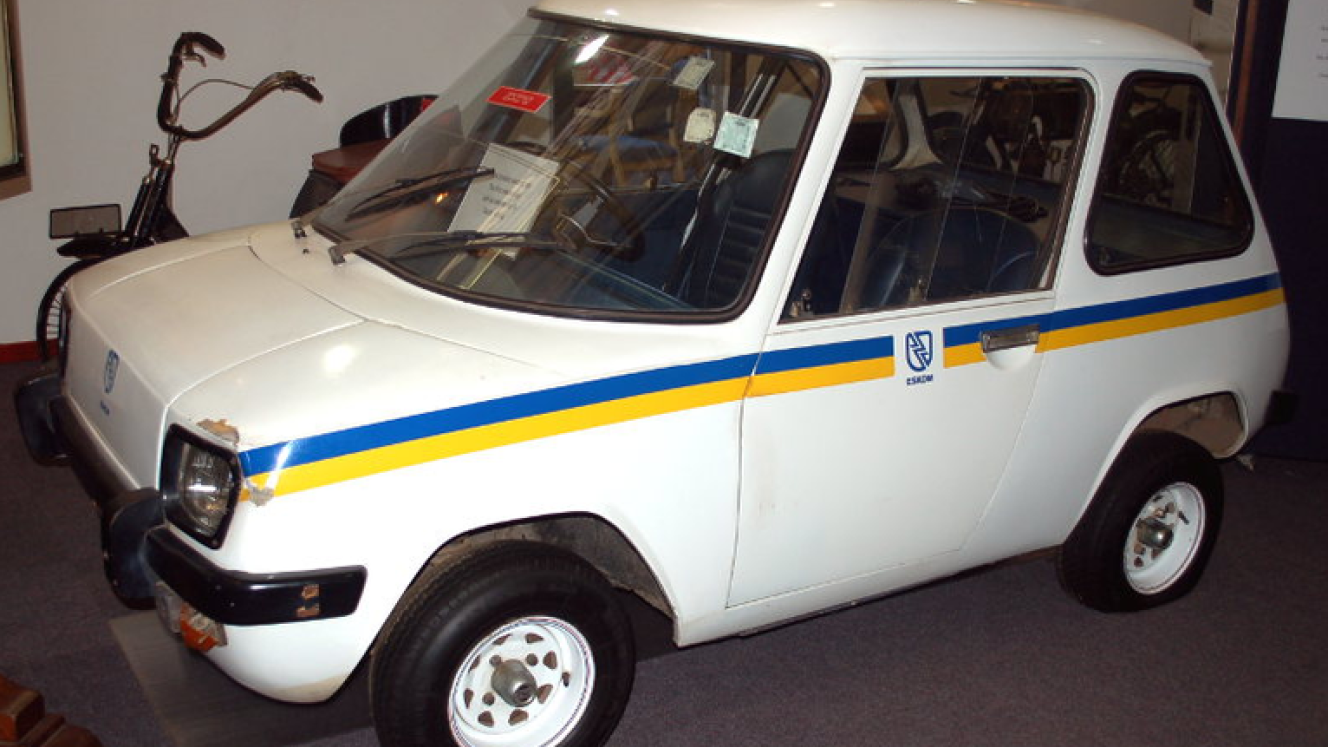
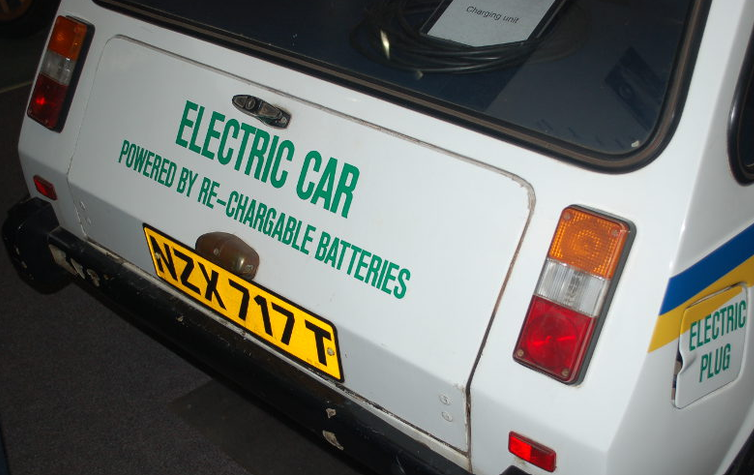
The collection includes the 1974 Enfield 8000, South Africa's first electrically self-powered car. Haggie Rand brought the vehicle into the country in 1974 to promote and expand a chloride battery project. In 1992, B Pollock championed its environmental benefits, and in 1994 Eskom launched its electric vehicle project with the car before later donating it to the museum.
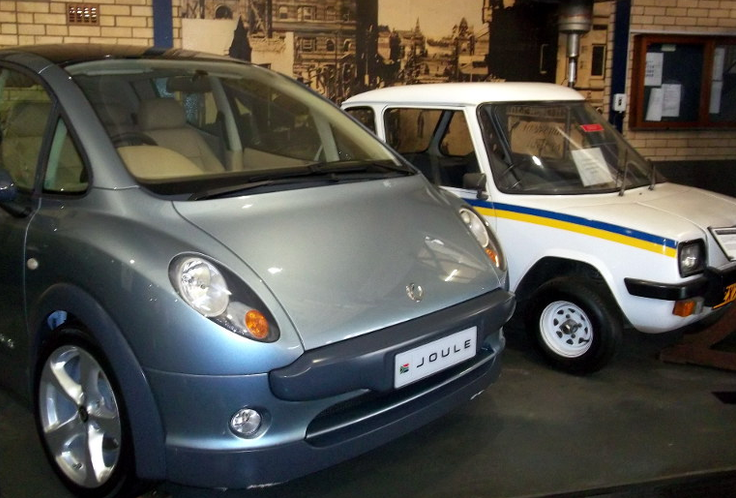
It stands beside the Joule, a five-seater electric vehicle developed by Optimal Energy. The Cape Town-based company was founded in 2005 and closed in June 2012, but the Joule remains a reminder that South African engineers were designing electric vehicles well before the global market took off.
The commercial era for electric vehicles began in November 2013, when the Nissan Leaf became the first battery electric vehicle sold in South Africa. Today, buyers can choose from more than 50 passenger battery electric vehicle models.
“Our heritage is not simply where we have been, it is also what we choose to build next. South Africa has been part of the electric vehicle story for fifty years,” says Hiten Parmar, Executive Director of The Electric Mission. “Now we have the chance to make these vehicles here, for our own roads, and for the world.”
South Africa has a 102-year history of automotive manufacturing, but no zero-emission vehicles, whether battery electric or hydrogen, are currently assembled or manufactured locally. The United Kingdom and European Union, South Africa’s primary vehicle export markets, are moving towards zero-emission mandates for 2030 and 2035.
South Africa’s policy frameworks have historically secured global investment in internal combustion engine technologies, conventional hybrids and plug-in hybrid vehicle manufacturing. More recently, the incentive framework has sent the first signal to manufacturers considering local zero-emission vehicle production. Since March 2026, Section 12V of the Income Tax Act has given qualifying vehicle manufacturers a 150% tax deduction on capital investment in the production of electric and hydrogen-powered vehicles.
Parmar says global sales of internal combustion engine vehicles peaked in 2017, while volatile fuel prices and changing economics are influencing consumer interest in electric vehicles.
According to the International Energy Agency, South Africa ranks among the top 25 countries globally for the average number of electric vehicles per public charging point. Parmar also points to total cost of ownership, including purchase, operating and maintenance costs, as an increasingly important consideration for consumers and businesses weighing a switch to electric vehicles.
The Enfield 8000 and Joule are both on display at the James Hall Museum of Transport in Johannesburg, preserving two early chapters in a South African electric vehicle story that is now entering a very different phase. Visit the Museum's website to find out more: https://www.jhmt.org.za/