Plans for a 700,000 barrel-per-day refinery in Lamu, first commercial crude production from South Lokichar and KenGen’s expanded renewable-energy pipeline are putting renewed focus on Kenya’s regional energy ambitions.
Kenya is ramping up developments in petroleum, refining and electricity infrastructure as it seeks to strengthen its position in East Africa’s energy market.
Among the largest proposed projects is a 700,000 barrel-per-day refinery in Lamu, which Dangote plans to develop at an estimated cost of $15 billion to $16 billion. The refinery is planned for the LAPSSET special economic zone near Lamu Port and would supply refined petroleum products to Kenya and other East African markets.
Dangote expects to break ground in September, with completion targeted for 2030. The project remains at an early stage, however, with financing, infrastructure and crude supply among the issues still to be resolved.
Reuters: Dangote's proposed Kenyan oil refinery faces hurdles, not least with crude supply
South Lokichar production targeted for December
Progress in Kenya’s upstream sector could become increasingly important as the country develops its downstream ambitions.
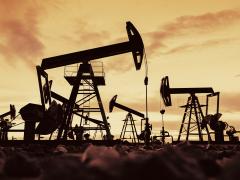
Kenya is on schedule to begin crude oil production from the South Lokichar Basin in December 2026, according to the country’s Energy and Petroleum Regulatory Authority. First exports through the Port of Mombasa are expected during the first quarter of 2027.
Initial production is projected at about 20,000 barrels per day, increasing to 120,000 barrels per day by 2032 as development progresses. These volumes would remain considerably below the requirements of the proposed 700,000 barrel-per-day Lamu refinery, reinforcing the importance of securing additional crude supply if the refinery proceeds at the planned scale.
Kenya News Agency: Kenya on schedule to pipe oil by December 2026
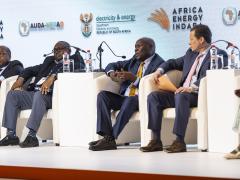
Energy and Petroleum Cabinet Secretary James Opiyo Wandayi is due to participate in African Energy Week (AEW) 2026 in Cape Town in October, where Kenya’s petroleum and electricity investment plans will form part of discussions with investors, developers and financiers.
KenGen expands renewable-energy pipeline to 5,500 MW
Kenya’s petroleum ambitions are developing alongside substantial investment plans for its electricity system.
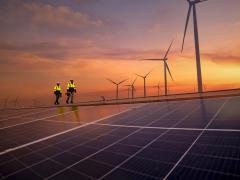
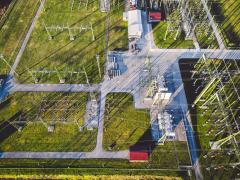
State-owned Kenya Electricity Generating Company (KenGen) announced in June that it had expanded its long-term renewable-energy development pipeline from 1,500 MW to 5,500 MW in response to changes in the operating environment and emerging investment opportunities.
KenGen: 5,500 MW renewable-energy development pipeline
The revised target is part of KenGen’s long-term growth strategy rather than a 5,500 MW national generation target. This distinction is important given the broader range of generation, transmission and electricity-market developments under way in Kenya.
“Kenya is entering an important period for its energy sector, with opportunities emerging across the petroleum value chain as well as geothermal, renewables and power infrastructure,” said NJ Ayuk, Executive Chairman of the African Energy Chamber. “The proposed Lamu refinery, the development of Kenya’s oil resources and the country’s expanding power ambitions demonstrate the breadth of investment opportunities available. What matters now is creating the conditions for capital and technical expertise to move these projects from ambition into execution.”
Wandayi’s participation at AEW 2026 will bring these developments together as Kenya seeks investment across domestic petroleum resources, downstream infrastructure and an expanding electricity system.
AEW 2026 will take place in Cape Town from 12 to 16 October.
Source: African Energy Chamber, with additional reporting from Reuters, KenGen and Kenya News Agency