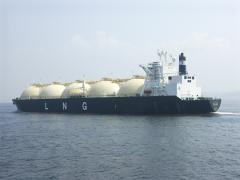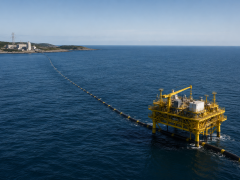
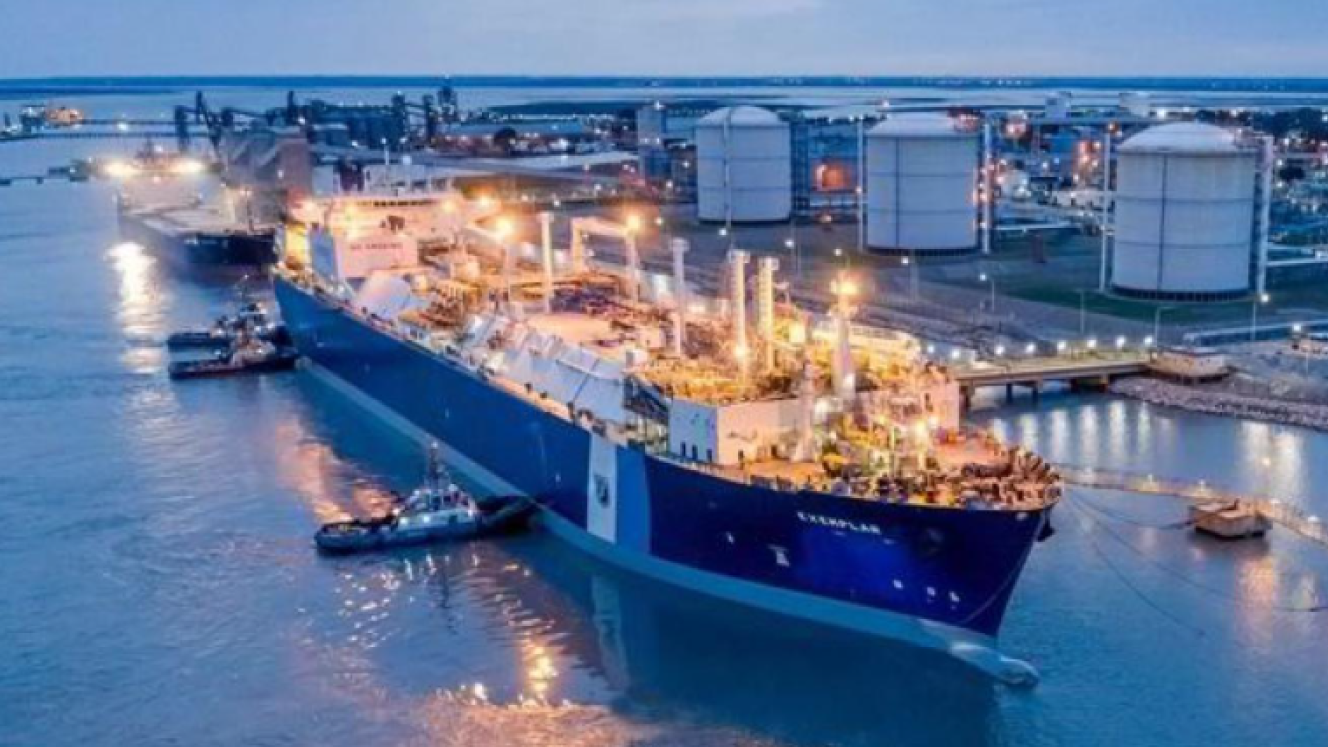
The long-awaited restart of Mozambique’s liquefied natural gas (LNG) development in Cabo Delgado marks an important turning point for the country and the broader region. It is one of Africa’s largest industrial developments but has been inactive since 2021 when security concerns in the north of the country led to the evacuation of personnel and suspension of work, says Viren Sookhun, Managing Director at Workforce Staffing: Africa and Middle East.
With conditions stabilising and confidence gradually returning, TotalEnergies is expected to fully lift the force majeure and move into an operational ramp-up early next year. Mozambique is now entering a period where significant international capital, technical expertise and industrial activity will return to the economy. The focus must shift to rebuilding momentum and delivering on the economic and social commitments the development is expected to unlock.
A second chance that cannot be wasted
This project carries substantial expectations. As one of the largest energy investments on the continent, it plays a critical role in the global energy transition with LNG continuing to serve as a bridge between traditional hydrocarbons and lower-carbon energy sources. Investing countries and international operators need the project to progress quickly to regain lost time and manage escalating costs. For Mozambique, it is a chance to accelerate inclusive growth and avoid a scenario where the project generates more value offshore than it does for the local economy.
Skills transfer must be non-negotiable
Speed alone is not a marker of success. A rapid restart without deliberate skills development and structured local participation will not meet the country’s long-term needs. While sizeable expatriate involvement is inevitable in the early phases, given the complexity of LNG mega-projects, this knowledge cannot remain imported indefinitely. Global technical expertise must be accompanied by formalised and measurable skills transfer mechanisms. Expatriate work permits should be tied to documented training programmes with clear competencies, timelines and progress reporting.
The restart also provides an opportunity to attract skilled Mozambicans living abroad to return and contribute their expertise, strengthening the national talent pool and supporting long-term capability building.
At the same time, the project must create pathways for unskilled and semi-skilled workers from surrounding communities – not only through jobs but through skills, accredited training and qualifications that support long-term career mobility. Structured development programmes and on-the-job learning pathways are essential to ensure the workforce emerging from this project is more skilled and better positioned to participate in the wider economy.
Major infrastructure projects also stimulate entrepreneurial activity and informal trade around project hubs. To ensure this ecosystem becomes sustainable, economic development initiatives should include basic business training, financial management and support for micro-enterprise growth. When workers gain skills and local entrepreneurs gain the tools to scale and formalise, the result is not only employment during construction but a stronger, more resilient local economy that endures after project completion.
Laying the foundation for long-term sustainability
The restart offers Mozambique a clear opportunity to redefine how large-scale energy investment supports national development. Skills transfer, local enterprise support and structured workforce development must be embedded from the outset with progress measured and verified. Transparent reporting on training outcomes, role progression and local economic participation will be essential to demonstrate delivery, maintain accountability and shape future investment policy.
With the right focus and management, Mozambique can build a durable skills base, deepen industrial capability and support long-term economic resilience. Success will be reflected not only in plant performance or export output but in the depth of local capability established around the project – and in a modern framework for how energy mega-projects can support lasting economic strength across Africa.