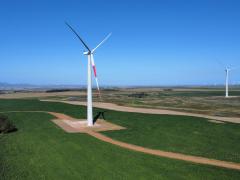
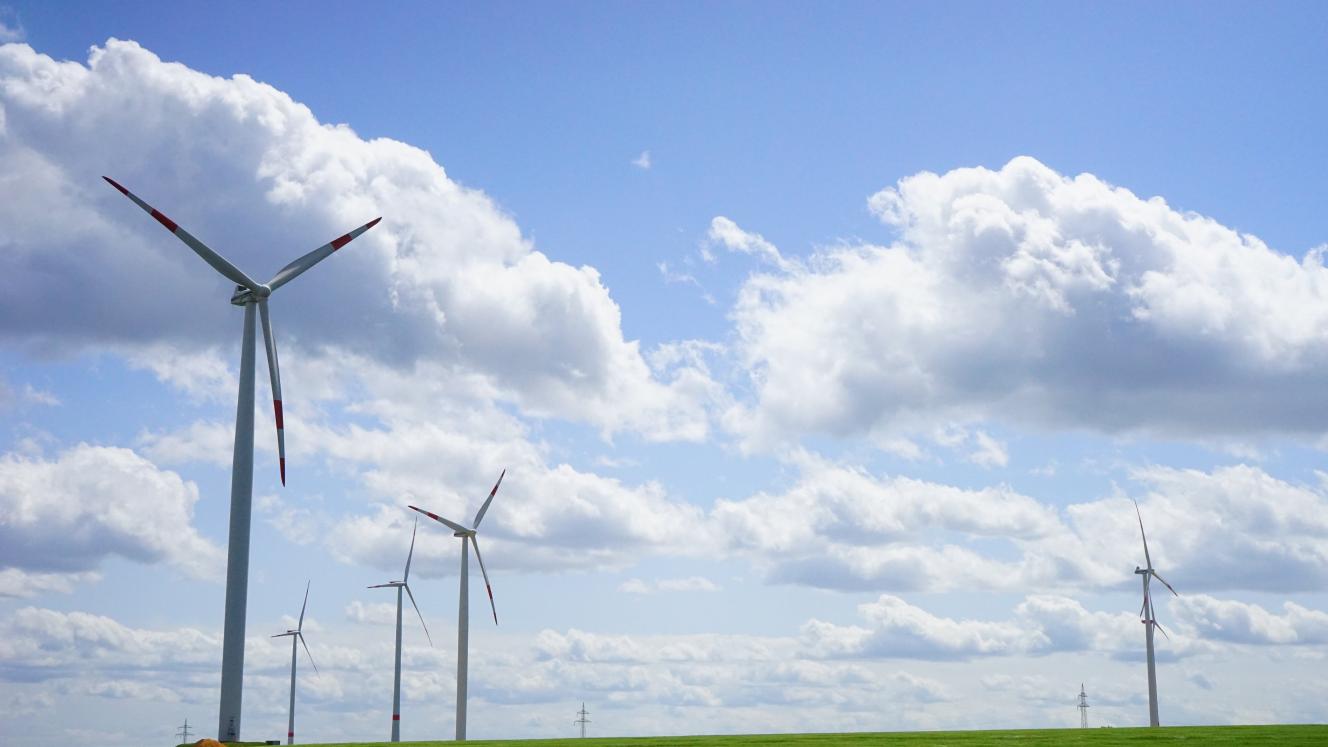
Renewable energy is forecast to account for almost half of South Africa’s cumulative installed power capacity by 2035 as government policy, strong solar and onshore wind resources and sustainability targets accelerate the country’s energy transition, according to GlobalData.
In its latest report, South Africa Power Market Trends and Analysis by Capacity, Generation, Transmission, Distribution, Regulations, Key Players and Forecast to 2035, GlobalData projects that renewables will increase their share of installed capacity from 20,5% in 2024 to 48,5% by 2035. Over the same period, renewables’ share of electricity generation is expected to rise from 8,9% to 31,3%.
Thermal power accounted for 72% of South Africa’s total installed capacity in 2024 but this dominance is expected to decline as new renewable generation is added to the system.
Sudeshna Sarmah, Power Analyst at GlobalData, says South Africa’s 2024 Electricity Regulation Amendment Act signals a shift towards a more competitive and sustainable electricity market. She notes that government has also fast-tracked new generation capacity, particularly renewables, to diversify the energy mix and reduce reliance on coal.
While South Africa has significant renewable energy potential, GlobalData highlights that development has historically been constrained by delayed procurement bid windows and weaknesses in financial, technical and procurement planning. The report also points to limitations in Eskom’s grid infrastructure as a growing risk to energy security even as new generation projects progress.
GlobalData stresses that modernising the national electricity system will be critical to maintaining long-term stability and supporting economic growth as renewable penetration increases.
South Africa’s Integrated Resource Plan targets 6 000 MW of solar PV and 14 400 MW of wind capacity by 2030. To support these goals, the report references policy initiatives such as the South Africa Renewable Energy Masterplan, launched in March 2025, and the Green Fund scheme aimed at financing low-carbon transition projects.
The Renewable Energy Independent Power Producer Procurement Programme is also identified as a key mechanism for attracting private-sector investment into grid-connected renewables, supporting diversification of the energy mix through technologies including solar, wind and biomass.