The Coal 2025 report, published by the International Energy Agency (IEA), finds that global coal demand has reached a structural plateau with consumption forecast to decline by around 3% in 2030 compared with 2025 – falling below 2023 levels. According to the IEA, this marks a shift away from cyclical demand fluctuations towards longer-term structural change.
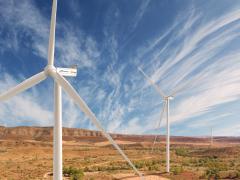
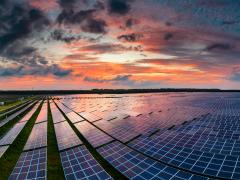
The report notes that this shift is unfolding despite continued growth in global electricity demand. It attributes the trend to lasting changes in power systems, including rapid growth in renewable energy capacity, steady expansion of nuclear power and increasing competition from natural gas rather than short-term market conditions.
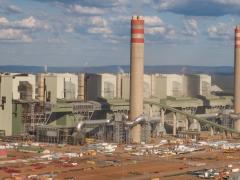
While the IEA stresses that coal’s role in electricity systems has not become obsolete, it notes that the role is changing. Global coal-fired power generation is expected to fall below its 2021 level by the end of the decade with coal’s share of the electricity mix declining from 35% in 2024 to around 27% by 2030. Nevertheless, installed coal capacity remains high with utilisation rates falling as coal plants increasingly operate as flexible and dispatchable assets to support system adequacy and balance variable renewable generation.
The report further highlights weather patterns and system integration that have become central drivers of coal burn volatility. Variations in hydropower output, wind and solar generation as well as the pace of grid expansion can materially raise or lower coal-fired generation from year to year – even where long-term demand trends are flat or declining.
“There are many uncertainties affecting the outlook for coal. Most notably in China, developments ranging from economic growth and policy choices to energy market dynamics and weather will continue to have an outsize influence on the global picture,” said IEA Director of Energy Markets and Security Keisuke Sadamori.
From a regional perspective, the IEA notes that coal demand across Africa is expected to decline from 2026 through to 2030 as part of the report’s “rest of world” category. More broadly, the agency signals that coal is no longer a growth market, citing weakening investment, softening production prospects and stalled merger and acquisition activity as indicators of increasingly constrained financial conditions across coal-dependent power systems.