A fleet of new energy vehicles (NEVs) arrived at Moses Mabhida Stadium on Sunday afternoon, 11 October, completing the third annual NEV Road Trip, themed “Escaping the Noise 3.0”.
Taking place during National Transport Month, the road trippers were welcomed by the Premier of KwaZulu-Natal, Thami Ntuli, and his delegation, ahead of the fifth South African Auto Week, hosted in Durban by naamsa | Automotive Business Council.
The official route left Johannesburg, and three further groups converged on Durban from the south and west. Participants departing from the Western Cape and Eastern Cape completed the journey inland via Komani, Maletswai, Bloemfontein, and Bethlehem before joining the N3 towards KwaZulu-Natal.
“Johannesburg to Durban in one day, with a relaxed lunch stop in the Midlands, is exactly how most South Africans make this trip,” says Hiten Parmar, Executive Director of The Electric Mission. “Now doing it in electric vehicles shows that the long-distance trip is no longer a barrier to going electric in South Africa.”
The biggest change from previous years was the vehicle range. Twelve battery electric vehicle models took part, double the 2025 number. The Alfa Romeo Junior, BMW iX3, BYD ATTO 2, Deepal S07, Geely E2, Geely E5, GWM ORA 5, Mini Aceman, Mercedes-Benz CLA, Toyota bZ4X, Volvo ES90, and Volvo EX90. The line-up covered compact city cars, family SUVs and executive sedans, from established European and Japanese manufacturers and from a growing number of Chinese brands now active in the local market.
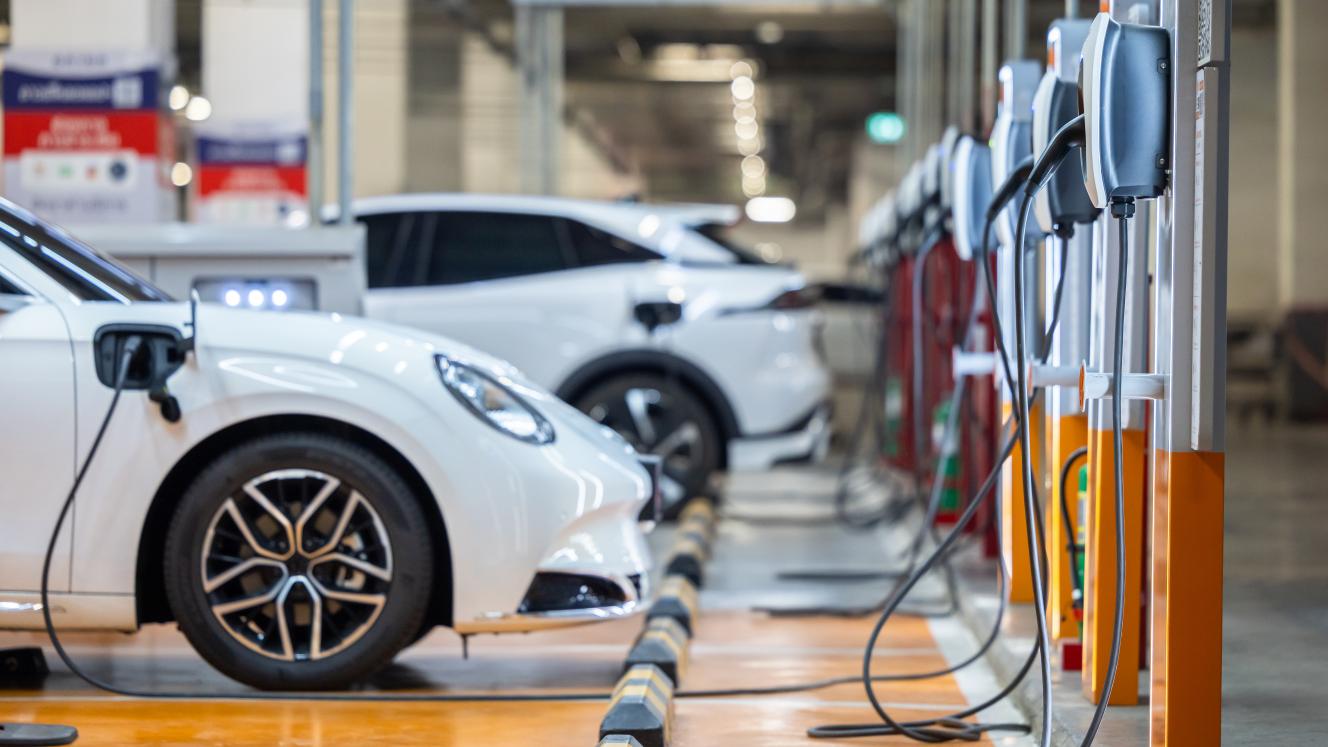
“A year ago, the choice of electric vehicles available locally was limited. Today, buyers can choose from more brands, more body styles and more price points than ever before,” says Parmar. “Some of the vehicles on this trip are new to the South African market, and more affordable models are arriving. This market growth is what makes electric mobility accessible to more South Africans.” The second highlight of the 2026 road trip was the growth of public charging infrastructure along the route. Drivers didn’t have to follow a fixed charging plan, as some electric vehicle models didn’t need to charge, while others required a top-up towards Durban. They chose their own stops from a list of fast-charging sites run by several operators, including GridCars, Rubicon, and Zero Carbon Charge.
“Having choices is the real sign of a maturing network,” says Parmar. “When drivers can select through various charging options because there is another one further along, range anxiety goes away. The investment by multiple charge point operators across our national routes is what makes this possible, and it is increasingly reaching smaller towns as well as the cities.”
The road trip has grown each year. The first edition in 2024 covered more than 2,000 km from Johannesburg to Cape Town with five electric vehicles. In 2025, more than 50 participants covered over 4,000 km to Gqeberha for South African Auto Week with six electric models.
The arrival in Durban comes as the industry gathers for SA Auto Week, where policy reform and certainty for the future of local manufacturing is high on the agenda. Europe remains the primary export market for South African-built vehicles and is moving towards its 2035 phase-out of sales of new internal combustion engine vehicles across the region. Looking ahead, European Union Commission President Ursula von der Leyen has highlighted that "No Matter What, the Future Is Electric."
“Local demand for new energy vehicles is already evidence with consumer purchases, however, the right policy and infrastructure investment for zero emission vehicles, as battery electric and hydrogen, will help build the scale our industry needs to stay competitive across key markets,” says Parmar. “Every year, the road trip to SA Auto Week reinforces South Africa’s readiness for electric mobility. Now with over 50 battery electric models available, supported by the charging infrastructure that is ranked by the International Energy Agency as above the world average against electric fleet to public charging infrastructure, the next step is policy certainty that turns that readiness into local economic growth and jobs.”