Eskom is strengthening its engagement with engineering faculties at universities across the country to rebuild local engineering capability, warning that the profession risks “fading into irrelevance” if its future talent pipeline is not actively developed.
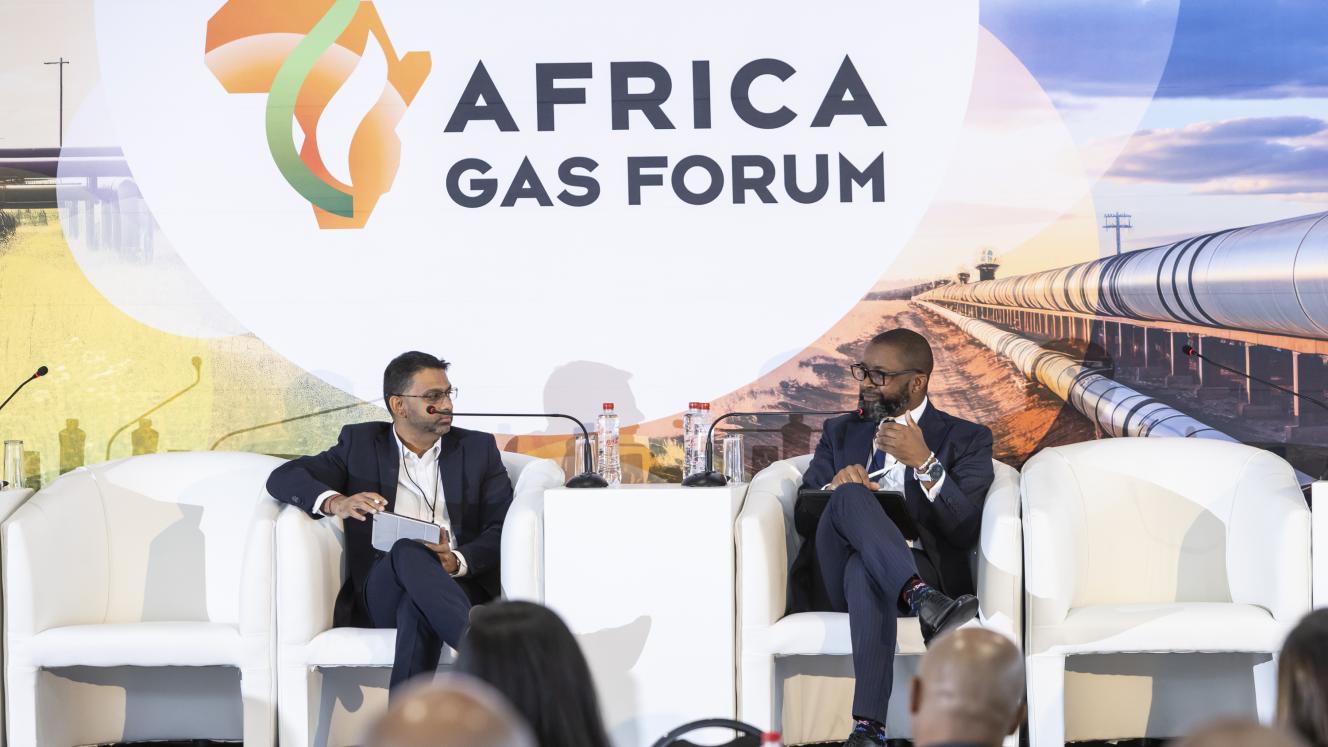
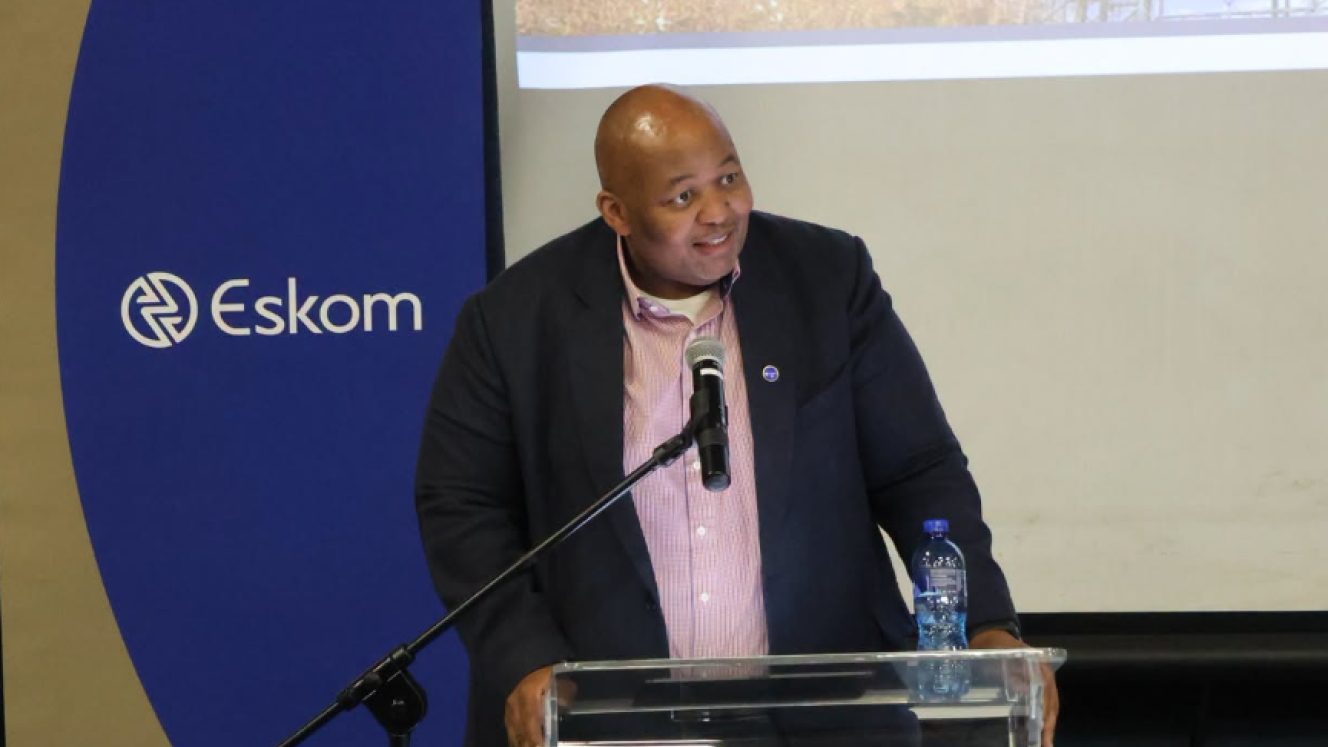
This was the message from Eskom Group Chief Executive Dan Marokane at the recent South African Institute of Electrical Engineers (SAIEE) Strategic Leadership Dialogue. Marokane said the utility is intensifying discussions with engineering deans to help develop the next generation of engineers needed for the evolving power system.
“Developing engineering capability is just as important as investing in physical infrastructure,” Marokane said. “We need to develop our talent now, especially as the sector experiences rapid transformation.”
The energy transition will also require engineers to develop skills beyond traditional power systems, SAIEE President Prudence Madiba told the dialogue. “The question is: How do we ensure that academia and professionals are preparing for what we want to see in the future?”
Future engineers will require expertise in grid-code compliance, battery energy storage systems, digital technologies, hybrid energy systems and data-driven power system management, she said.
Madiba also highlighted the importance of continuous professional development and collaboration among industry, academia and regulators.
“South Africa’s engineering profession stands at the centre of the energy transition,” said Engineering Council of South Africa (ECSA) President TC Madikane.
The dialogue is about leadership as well as infrastructure, he added.
“Partnerships between ECSA, the industry and voluntary associations will be essential to prepare engineers for the country’s changing energy landscape and to support a successful transition.”