Africa’s solar challenge has shifted away from installed capacity and towards persistent execution bottlenecks despite a rapidly expanding project pipeline, according to data presented during the Africa Solar Outlook 2026 report launch webinar.
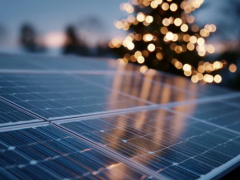
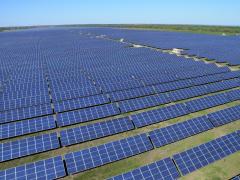
The webinar, hosted by African Solar Industry Association (AFSIA) CEO John Frédérick van Zuylen on January 14, outlined findings from AFSIA’s latest outlook report. The report shows that Africa added about 2,5 GW of new solar capacity in 2024, lifting total installed capacity to just over 19 GW.
Despite this growth, Africa accounted for only 0,5% of global new solar installations – even with some of the world’s strongest solar resources.
Van Zuylen said the weak performance is not due to lack of interest or project development activity. AFSIA data shows that around 40 GW of new solar projects were announced across the continent in 2024, expanding the pipeline by more than 20% year on year. However, a significant share of these projects fail to reach commercial operation on schedule – or at all.
“We have plenty of projects announced every year but a very large share of those projects will never reach commissioning or they will reach it much later than expected,” Van Zuylen said.
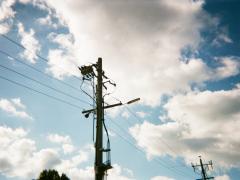
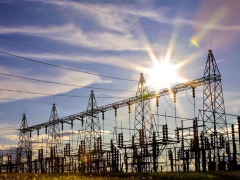
AFSIA attributes this execution gap to structural constraints including permitting delays, grid access limitations, offtaker risk, financing timelines and weak transmission infrastructure. According to the association, solar deployment across Africa is increasingly constrained by power system limits rather than policy resistance, helping to explain why some markets continue to favour commercial and industrial and off-grid solar projects.
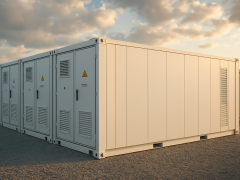
The report also identifies energy storage as a critical response to these constraints. Van Zuylen said falling battery costs have accelerated the deployment of solar-plus-storage projects, shifting storage from an optional add-on to a system requirement.
“You cannot talk about scaling solar anymore without talking about storage because the grid simply cannot absorb variable generation on its own,” he said.
AFSIA said battery storage installations increased sharply in 2024 with storage increasingly shaping procurement requirements, particularly in utility-scale tenders. Van Zuylen cited South Africa as an early indicator of this shift where procurement is moving towards dispatchable power rather than installed capacity alone alongside the expansion of standalone battery programmes.
Looking ahead, AFSIA said countries that invest in grid capacity and storage integration will be better positioned by 2026 to convert strong project pipelines into delivered megawatts while others risk continued delays and uneven solar growth.