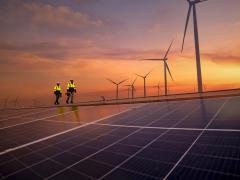

Green hydrogen projects present a significant opportunity for long-term economic transformation in Namibia and could redefine the country’s industrial development. With exceptional solar and wind resources and rising global demand for cleaner energy, Namibia is in a highly competitive position. Securing a major international engineering, procurement and construction (EPC) partner shows that these projects have progressed beyond conceptual planning and are now preparing for full engineering and construction, says Julien Karambua, Country Manager at Workforce Staffing Namibia.
The real test, however, will be whether Namibia can build the capabilities, skills and industries required to ensure long-term domestic benefit. This will depend on localisation, structured knowledge transfer and sustained investment in local capacity across the value chain.
Building value through localisation and participation
Green hydrogen projects rely on extensive EPC capability, which is why international EPC expertise is essential in the early phases. These partners bring the technical depth needed to design and execute large-scale infrastructure but their involvement is only part of the story. Localisation is the mechanism that ensures the sector delivers jobs, supplier participation and industrial development rather than functioning solely as an export operation.
Creating this capacity requires deliberate action. Small and medium-sized enterprises (SMEs) need structured pathways into the supply chain, supported by scopes that are broken down into packages suitable for small firms – for example, dividing work across cabling, mounting or procurement. Global contractors must also respect local content policies to enable Namibian businesses to grow. This approach supports domestic job creation, widens industrial capability and strengthens the foundations of a long-term hydrogen economy.
Attracting global expertise and building local skills
In the short term, much of the specialised expertise required for EPC-scale projects will need to come from abroad. Attracting these skills depends on competitive working conditions including long-term visas, security, housing and education considerations for relocating families. Extending visa periods from two to five years would encourage senior specialists to commit to projects for the full cycle and support effective skills transfer.
Knowledge transfer must be embedded into project structures. When international project leaders work alongside Namibian engineers, technicians and managers, skills development becomes part of daily project execution. Strengthening technical and vocational training – particularly in electrical and mechanical disciplines, welding, process engineering and science, technology, engineering and mathematics programmes at universities – is equally important. Without these foundations, localisation cannot progress at the scale required.
Strengthening the industrial ecosystem
A successful hydrogen economy depends not only on energy resources and EPC expertise but on the supporting industrial ecosystem. Infrastructure such as roads, ports, water systems and transmission lines requires investment as gaps in these areas can slow or derail project timelines. Conditions in areas such as Walvis Bay illustrate the urgency of upgrading road quality and capacity before demand increases.
The domestic supply chain also requires attention. Namibia faces limited industrial capacity, skills shortages and uneven SME involvement. Supplier development programmes, similar to those in the energy and oil and gas sectors, offer a constructive approach to identifying capabilities, understanding gaps and forming joint ventures where needed. This provides a clearer picture of what Namibian suppliers can support today and what must still be developed.
Long-term economic benefit will depend on building downstream industries – including fertiliser and chemical production – and pursuing value-added exports rather than exporting only raw hydrogen. Developing industrial ecosystems around hydrogen hubs, supported by sustained skills development and job creation, will enable Namibia to convert its natural energy advantage into long-term growth.
Sustaining momentum through capability and collaboration
Namibia has the natural resources to compete globally in green hydrogen but converting that advantage into real production will require deliberate action. Localisation must be prioritised to ensure meaningful participation by Namibians. International EPC partners will remain essential but their most important contribution should be the knowledge and capability they help embed locally. With strategic investment, strengthened training pathways and targeted supplier development, Namibia can build the industrial capacity needed to support long-term national growth.