An industry webinar hosted by the South African Institute of Electrical Engineers has highlighted a gap in South Africa’s standards framework that may be limiting the adoption of cable technologies designed to reduce theft.
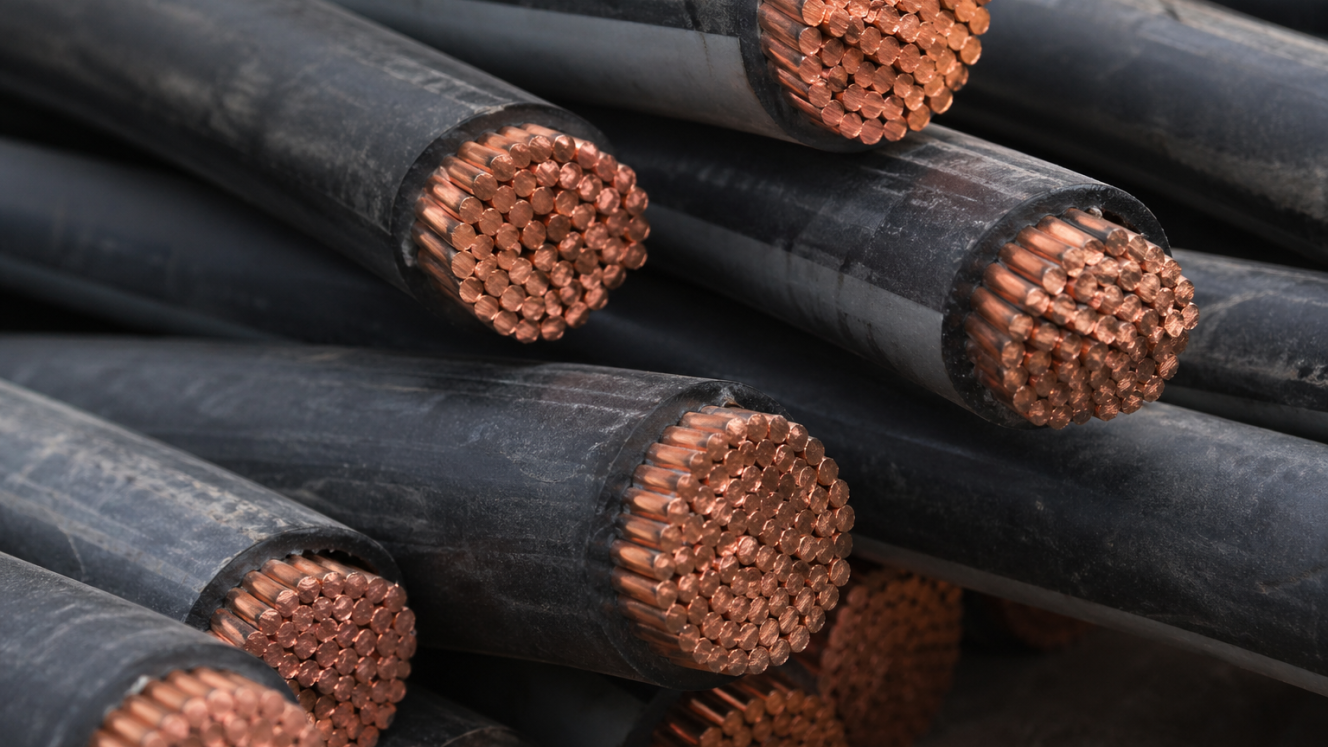
Presenting during the session, Aberdare Cables electrical engineering practitioner Donemore Torerwa said copper theft remains a significant challenge for the electricity sector with Eskom losing an estimated R5 billion-R7 billion annually and 1 121 km of cable reported stolen in the 2023 financial year.
The losses, he said, affect service delivery, municipal revenues and public safety with outages impacting hospitals, businesses and households.
Torerwa outlined the development of a tinned copper-clad aluminium alloy (TCCAA) Airdac cable designed for use in high-theft environments such as low-voltage household connections. The product targets reduced scrap value and is intended to be more difficult to process once stolen.
However, he noted that the current South African National Standards (SANS) framework does not accommodate such materials.
“SANS 1507 Part 6 only covers copper conductors,” Torerwa said. “There is no room for TCCAA as a material.”
As a result, the product has been developed and tested using a combination of applicable requirements from SANS 1507 and National Rationalised Specifications 110, which provides guidance on alternative conductor materials.
“Whatever was applicable, that’s what we then applied,” he said, adding that gaps in the standards will need to be addressed to support broader adoption.
While the material is defined in international specifications, its application in South Africa remains outside formal standardisation. Torerwa indicated that incorporating TCCAA into national standards will require updates to conductor definitions, resistivity parameters, size classifications and related testing requirements.
Trial installations have already been conducted with a local municipality. Feedback has informed further development. Additional field assessments are expected as part of the evaluation process.
Torerwa said aligning standards with emerging technologies will be necessary as utilities seek alternatives to copper in response to theft.
“This product aims to reduce replacement costs for municipalities and utilities and improve service delivery,” he said.
Further work is required not only on conductor materials but also on broader theft mitigation measures, including improved identification of stolen cables and tighter control of scrap metal trading, added Torerwa.