South Africa is exploring financing and deployment strategies for future nuclear projects, including small modular reactors (SMRs) as the country considers long-term options for reliable low-carbon electricity generation.
Speaking during a webinar on SMR deployment in Africa on March 11, Chief Director of Nuclear Safety and Technology at the Department of Electricity and Energy Katse Maphoto said financing models remain one of the key issues that must be resolved before new nuclear projects can proceed.
“Even if we are the country with the only operating nuclear power plant in Africa, the fact remains that we’ve not been building power plants over many years,” Maphoto said, referring to the country’s existing nuclear infrastructure.
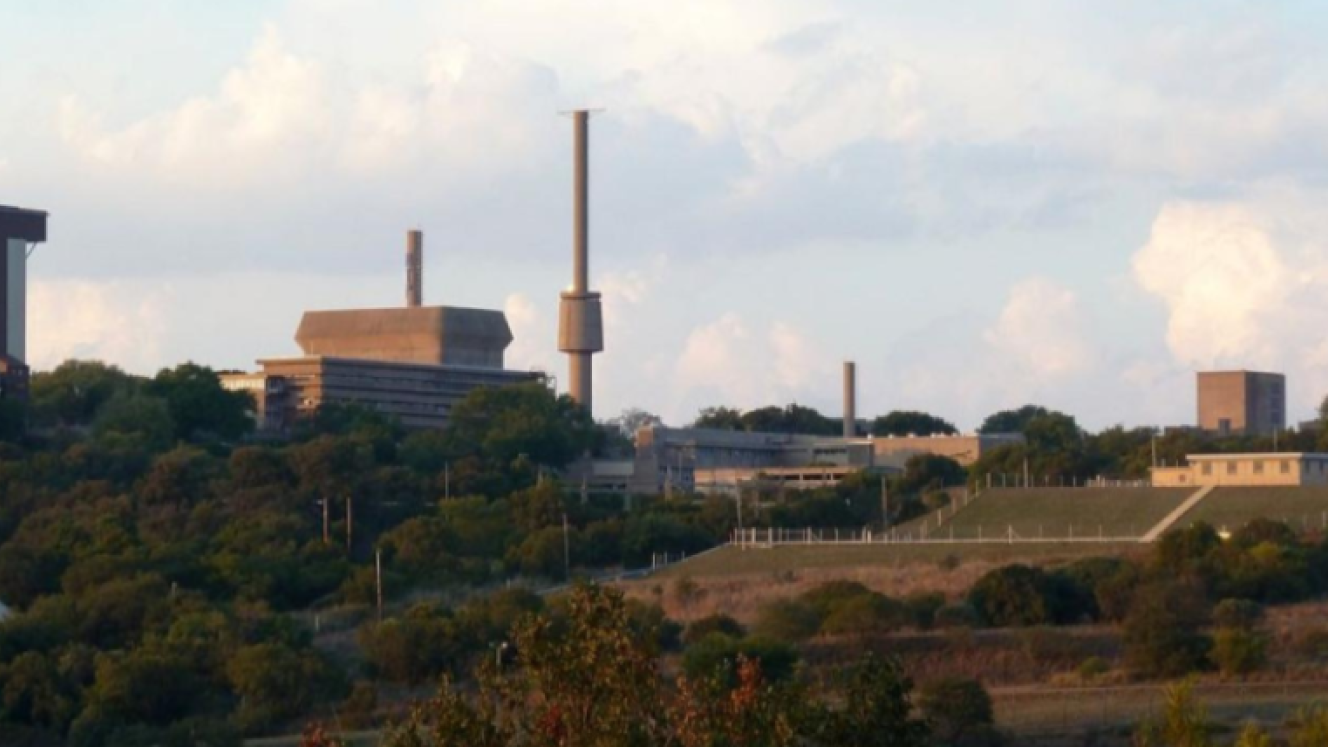
South Africa currently operates Koeberg Nuclear Power Station, which has been supplying electricity to the national grid for more than four decades.
According to Maphoto, market testing conducted by government has begun to reveal potential cost ranges for future nuclear projects.
“Indications are that the cost could range between about US$2 900 per kilowatt (approximately R53 000/kW) up to US$6 700 per kilowatt (around R124 000/kW),” he said, referring to estimated overnight capital costs for nuclear generation technologies.
While capital expenditure remains high, Maphoto argued that nuclear power delivers long-term economic value due to its extended operating life and low generation costs once plants are operational.
“Over the long run, nuclear becomes what we call a ‘cash cow’,” he said, noting that the country’s existing nuclear facility remains one of the lowest-cost electricity generators in the national fleet.
Financial institutions are beginning to reassess their positions on nuclear investment, including international development banks working with the International Atomic Energy Agency to support countries in developing bankable nuclear project proposals, Maphoto added.
South Africa’s existing nuclear capabilities, including infrastructure, regulatory oversight and specialised skills developed through the South African Nuclear Energy Corporation, place the country in a stronger position than many other African states considering nuclear power deployment.
Nuclear generation could support the broader energy transition by providing reliable baseload electricity while complementing renewable energy sources, Maphoto noted.
The webinar highlighted growing interest in SMRs as a potential technology option for African electricity systems, particularly in markets with smaller grids or industrial demand centres requiring reliable power.
Industry participants noted that SMRs could offer flexible deployment options for industrial facilities or energy-intensive sectors while reducing some of the financial risks associated with large-scale nuclear projects.
However, speakers cautioned that financing structures, regulatory readiness and long-term policy commitment will remain critical factors determining whether nuclear projects move from discussion to deployment across the continent.