The Department of Electricity and Energy has confirmed the state’s credit guarantee vehicle (CGV) has been capitalised and will expand in 2026, positioning the mechanism as a financial enabler to push for electricity infrastructure investment without placing additional pressure on the sovereign balance sheet.
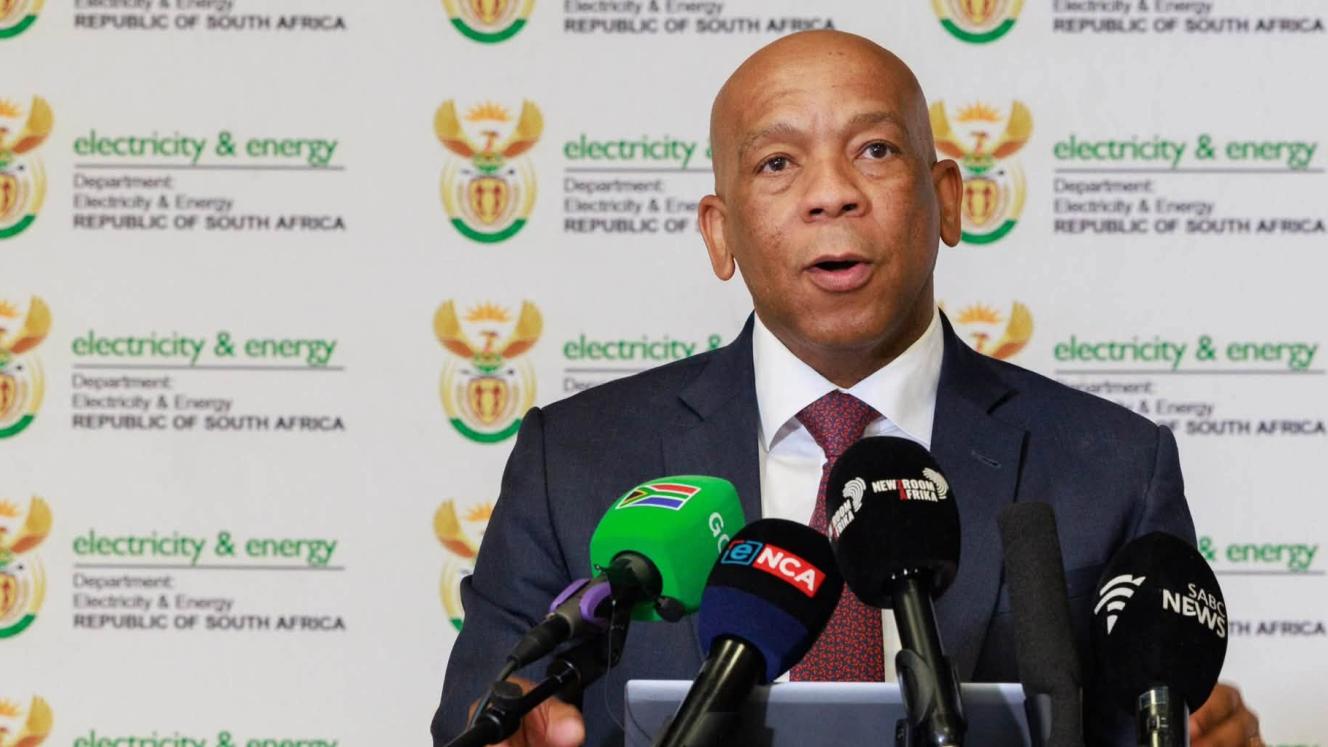
Addressing Parliament’s Portfolio Committee on Electricity and Energy on February 5, Minister of Electricity and Energy Kgosientsho Ramokgopa announced that government has already secured R2 billion towards a bespoke credit guarantee instrument focused initially on transmission investment. Multilateral and development finance institutions such as the World Bank, International Finance Corporation, Development Bank of Southern Africa and Infrastructure Bank of South Africa are expected to participate alongside the state.
The CGV is part of government’s broader strategy to mobilise private capital for infrastructure projects. Ramokgopa’s announcement follows Finance Minister Enoch Godongwana’s announcement of a R2 billion allocation to capitalise the new CGV during the Medium-Term Budget Policy Statement in Parliament on November 12 last year.
“The CGV has now been capitalised and we are expanding it in 2026,” said Ramokgopa. He explained that the facility intends to reduce credit and counterparty risk in infrastructure projects to improve project bankability and speed up financial close.
“This allows us to unlock investment in generation and transmission without the state having to fund projects directly.”
While the Transmission Development Plan outlines significant grid expansion requirements over the next decade, Ramokgopa identified financing constraints and balance sheet limitations as the main risks to delivery timelines.
The Minister positioned the CGV as a 2026 implementation driver aligned with broader electricity market reforms and procurement changes. He indicated that the expansion signals a strategic focus on financial risk mitigation as a tool to support infrastructure rollout.
Participants during the briefing framed the development as evidence that future grid and generation investment frameworks will increasingly rely on blended finance and guarantee mechanisms to support large-scale capital deployment.