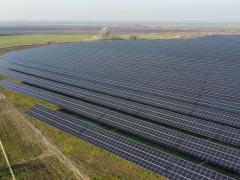

Measures to enable South Africa’s power system to absorb more daytime renewable generation will be investigated through monthly engagements between the South African Photovoltaic Industry Association (SAPVIA) and the National Transmission Company South Africa (NTCSA).
The agreement follows a reported increase in curtailment instructions to independent power producers (IPPs) from about 100 to more than 1 000 a month earlier this year. “A more than tenfold increase that has generated a substantial backlog of deemed energy claims and invoices, and stretched the administrative processes used to verify and settle them,” said SAPVIA CEO Rethabile Melamu.
SAPVIA disclosed the figures following a bilateral engagement with the NTCSA and its Central Purchasing Agency last month. The organisations have established a joint work programme focused on accelerating battery energy storage and stimulating electricity demand during daylight hours.
Melamu said the NTCSA attributes the increase in curtailment to operational constraints during the day. Conventional coal-fired plants must remain online at minimum stable levels to guarantee capacity for the morning and evening peaks when solar output is unavailable.
Flexible sources such as hydroelectric and pumped storage generation are adjusted first. Curtailment of self-dispatching renewable IPPs then becomes the final balancing mechanism available to the System Operator, Melamu said.
“Faster payment addresses the symptom. The structural answer is to build a system that can absorb midday solar rather than waste it. That means storage at scale, market signals that reward daytime consumption and a grid that is planned around the generation mix we actually have. Those are the conversations we are now having with the NTCSA on a standing basis.”
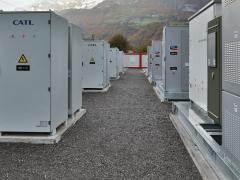
The storage component of the work programme will address regulatory and implementation hurdles facing IPPs seeking to integrate battery energy storage systems into existing facilities.
The organisations will also consider wholesale market mechanisms and price signals that could stimulate daytime electricity demand, Melamu said. This work will draw on the experience of international organisations, including SolarPower Europe and the German Solar Association. Monthly meetings will monitor the processing of curtailment claims and operational dynamics on the grid.
NTCSA has introduced a streamlined process intended to improve the settlement of curtailment claims.
In a July 24 statement referenced by SAPVIA, the NTCSA said the value of claims undergoing verification and settlement declined from about R2 billion in mid-June to R1,5 billion. The NTCSA aims to complete outstanding assessments and pay approved claims by the end of August.
SAPVIA provided further details, saying the provisional process allows IPPs to receive 100% of the estimated claim value upfront, followed by full technical verification. About 300 claims have been approved under the mechanism, the association said.
“Delayed curtailment compensation has placed significant financial strain on IPPs, and equity partners have been disproportionately affected because they carry the least headroom to absorb a payment delay,” Melamu said.