The delayed first-phase plan for separating South Africa’s Transmission System Operator (TSO) from Eskom has been completed and endorsed by President Cyril Ramaphosa, clearing the way for detailed transaction and implementation planning to begin.
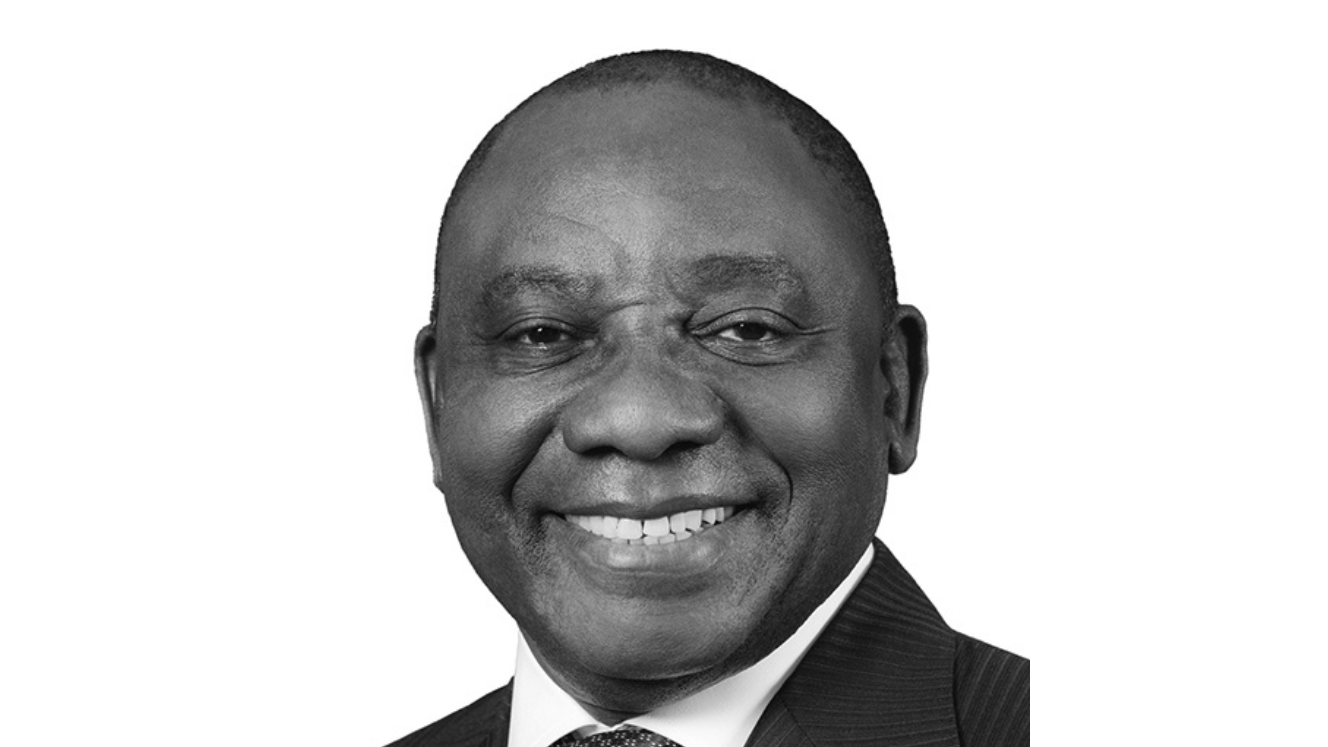
The Eskom Restructuring Task Team (ERTT) presented its Phase I report to Ramaphosa on July 30 and the Presidency announced his endorsement the following day.
The report was originally due by the end of May but was deferred to the end of June to allow the proposals to be developed further and considered through the relevant governance structures.
The endorsed Phase I report recommends transferring grid access and electricity market decisions from Eskom to the National Transmission Company South Africa (NTCSA), financially and operationally ring-fencing the transmission company and separating its licensed activities.
Under the proposed interim arrangements, Eskom would provide “clear delegation of authority” to the NTCSA for all market-related decisions, the Presidency said.
Decisions on access to the transmission network would also move to the NTCSA and eventually to the independent TSO. This would include distribution-level connections that have implications for the electricity market or transmission network.
Eskom Distribution would retain a Grid Access Unit to manage connections to its distribution network, according to the Presidency.
The interim governance proposals would prohibit Eskom directors from serving simultaneously on the NTCSA Board. Responsibility for appointing the NTCSA CEO and senior management would rest solely with the NTCSA Board, the Presidency said.
The Presidency did not indicate when the proposed interim measures would be implemented.
New market rules take shape
The Phase I report also recommends beginning the unbundling of electricity tariffs, clarifying the payment waterfall in the restructured market and developing mechanisms to insulate market participants from non-payment.
According to the Presidency, the task team found that the restructuring was feasible, aligned with international practice and could be completed without compromising Eskom’s financial sustainability.
“This report shows how government can ensure that the architecture of the electricity sector can change as the sector continues to evolve, creating the foundation for South Africa’s growth,” Ramaphosa said.
Cabinet announced on July 30 that it approved the revised Electricity Pricing Policy for publication for public comment. The policy updates the 2008 framework to reflect Eskom’s unbundling and reforms under the Electricity Regulation Amendment Act of 2024.
The revised policy provides for tariffs to be separated across generation, transmission, distribution and retail activities. It also addresses the regulation by NERSA of pricing interfaces between generators, traders, the NTCSA and distributors, Cabinet said.
It also approved the draft Electricity Sector Market Transformation Position Paper for publication for public comment. The paper provides a framework for South Africa’s transition from a predominantly state-controlled electricity system to a more competitive market.
Municipal arrears threaten reform
The Phase I report also identifies growing municipal arrears as a threat to Eskom and the wider electricity sector.
The ERTT proposed establishing a working group to develop a consolidated plan covering stronger enforcement of credit controls, the rollout of smart meters and Distribution Agency Agreements and stricter enforcement of licence conditions.
It also called for the continued implementation of the Municipal Debt Relief Programme, Metro Trading Services Reform and Electricity Distribution Industry Reform Roadmap.
Eskom cautions on financial risks
Eskom welcomed the Phase I report but stressed that the separation must address lender requirements, avoid defaults and ensure that the utility is not left in a worse financial position.
“The Eskom Board shares President Ramaphosa’s vision of an independent Transmission System Operator that will own the transmission assets at the appropriate point in the future. Equally, the Board has a clear fiduciary responsibility to ensure that Eskom remains financially sustainable,” Eskom Board Chair Mteto Nyati said.
He said the establishment of an independent TSO would be a material event for Eskom’s lenders and would require careful engagement on financing arrangements and contractual obligations as the implementation pathway was developed.
Three-month planning phase begins
With the high-level Phase I proposal endorsed, Phase II will develop the detailed transaction structure, implementation plan and timeframes for separating the TSO from Eskom. The Presidency said this work would begin immediately and run for three months.
The ERTT was established in March 2026 and is led by the directors-general in the Presidency and National Treasury. Its members include senior representatives of the Department of Electricity and Energy, Eskom and the NTCSA.
Establishment of an independent TSO is provided for in the Electricity Regulation Amendment Act and builds on the creation of the NTCSA as an Eskom subsidiary in 2024.