South Africa and Germany have strengthened energy cooperation following the signing of a joint action plan at the 12th meeting of the German-South African Bi-National Commission (BNC) in Berlin on April 13.
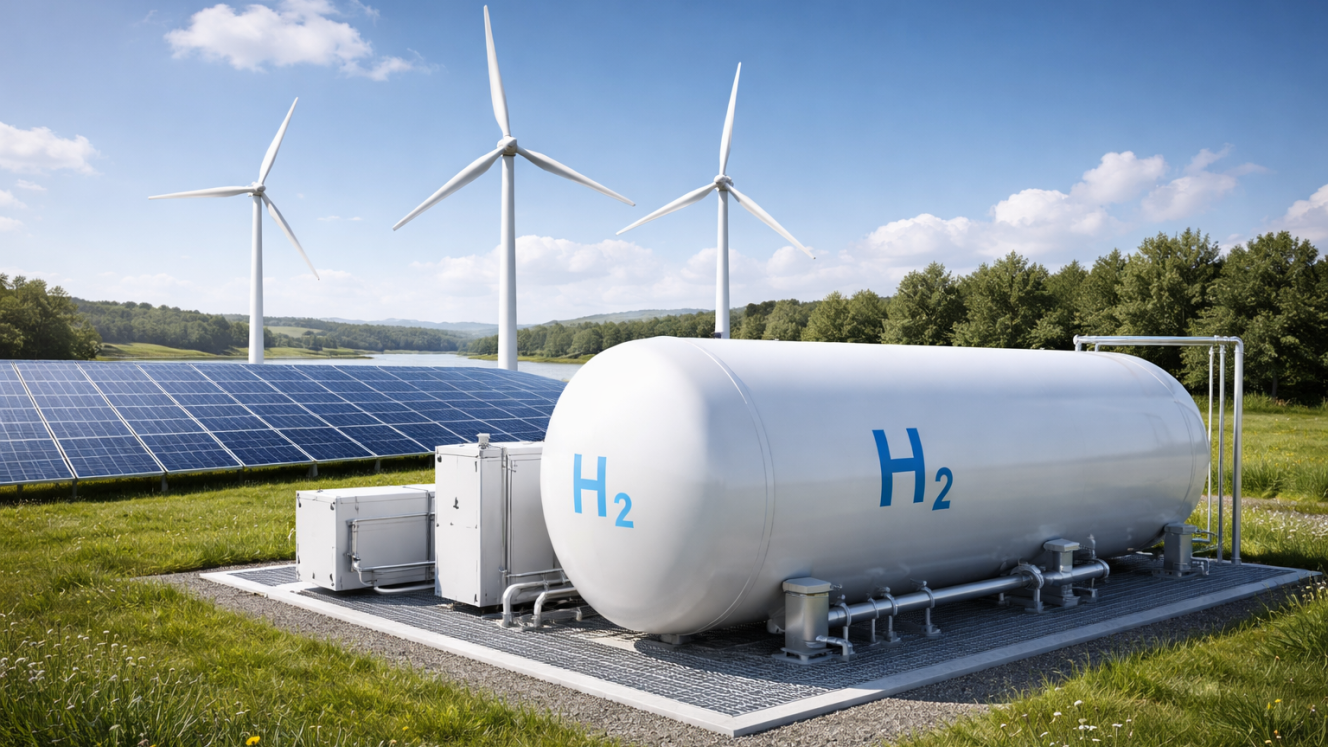
The agreement includes expanded collaboration on green hydrogen and battery value chains through the second phase of the Hydrogen for a Just Transition programme supported by more than €270 million (R5,5 billion) in German and European Union funding.
In addition, Germany has committed a €200 million (R4,1 billion) concessional climate loan aimed at supporting investment in South Africa’s electricity grid and renewable energy capacity.
The outcomes build on existing cooperation under the Just Energy Transition Partnership with both countries reaffirming the role of international financing and technical support in accelerating South Africa’s energy transition.
The joint action plan also includes measures to strengthen trade and investment conditions in energy and transport infrastructure with ongoing engagement between the Department of Trade, Industry and Competition and Germany’s Federal Ministry for Economic Affairs and Energy aimed at addressing barriers and improving the investment environment.
Beyond hydrogen, the agreement highlights cooperation in critical raw materials and industrial value chains linked to the energy transition, including beneficiation initiatives and support for local manufacturing capability.
The BNC, established in 1996, remains the primary platform for bilateral cooperation between the two countries with the latest meeting marking 30 years of engagement across sectors including energy, climate and industrial development.