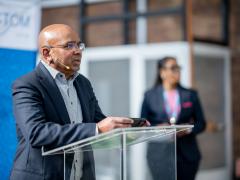
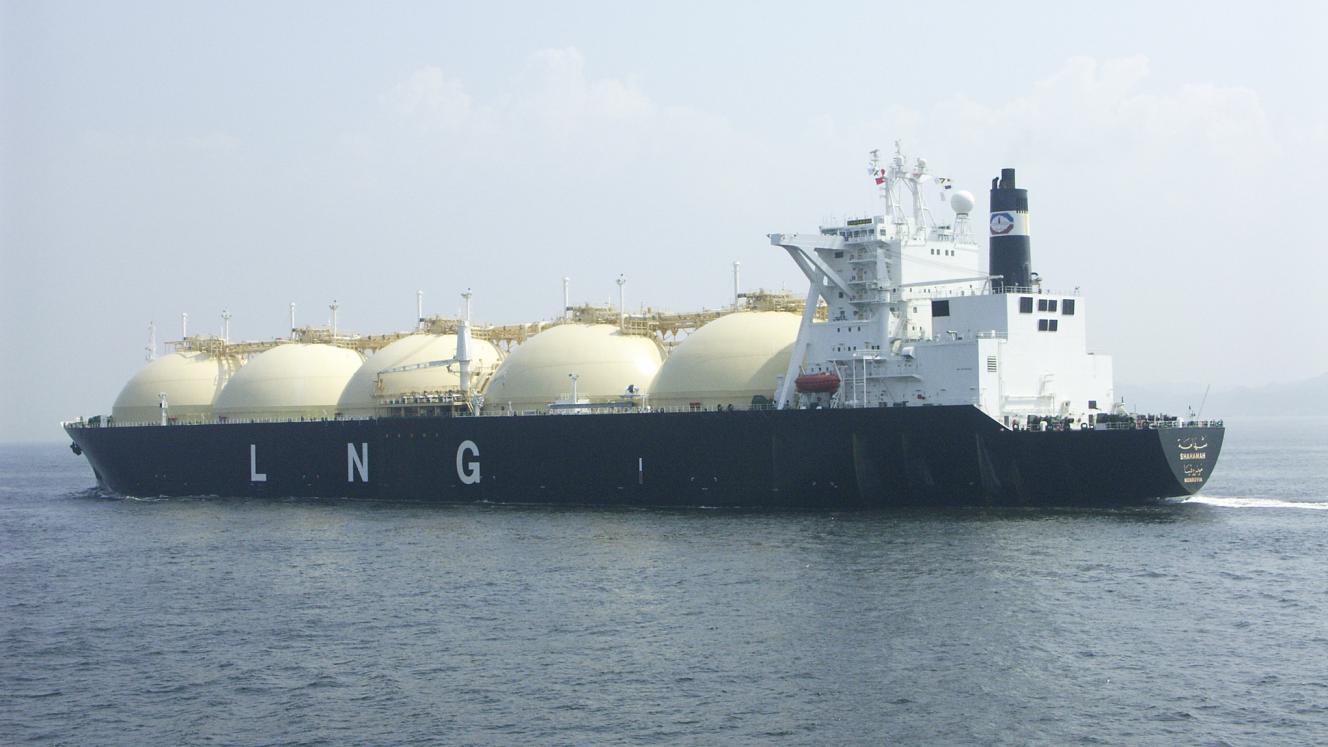
South Africa’s gas-to-power programme is likely to face further delays as global instability reshapes perceptions around liquefied natural gas (LNG) security and long-term fuel reliability, says Dominic Goncalves, Advisory Partner for Energy Strategy at Cresco Project Finance and Founder and Director of Naviara Energy.
South Africa first launched procurement for its Gas to Power Programme in 2015. More than 10 years later, projects have still not advanced to financing or construction while official timelines continue to target commissioning by 2030. These timelines will likely shift to at least 2032.
The Hormuz crisis further complicates how energy policymakers globally and in South Africa perceive LNG as a transition fuel supporting renewable energy systems with load-following capability.
South Africa still lacks LNG import infrastructure and would need to develop either LNG terminals or floating storage and regasification units (FSRUs) with associated port infrastructure and gas-fired power plants such as combined cycle gas turbines (CCGTs). LNG would also need to be imported from global suppliers including Qatar and the US.
The original 2015 plan envisaged FSRU and CCGT developments at Richards Bay, Saldanha and Coega but, by 2026, this had fragmented into multiple procurements, including proposed LNG terminal developments in Richards Bay and Durban.
The development cycle for integrated LNG-to-power projects remains lengthy, involving procurement, environmental approvals, marine and port infrastructure, LNG supply agreements, project financing, grid connection and power plant construction. A minimum six- to eight-year timeline from bankable procurement award to commercial operation is realistic with current procurement processes unlikely to reach construction before 2027 or 2028.
Meanwhile, the global LNG market has been disrupted by the Hormuz crisis. One fifth of global LNG passes through the Strait of Hormuz while more than 80 energy facilities have reportedly been damaged since the Iran war began, including Iran’s South Pars gas field and Qatar’s Ras Laffan LNG export facility.
The long-term concern is not necessarily short-term LNG pricing but whether global markets begin shifting away from LNG where energy security and supply reliability become more important considerations.
Countries such as South Africa, with access to domestic coal resources, may increasingly consider extending the life of ageing coal-fired power stations for energy security reasons despite environmental and decarbonisation concerns.
LNG may ultimately play a smaller role in South Africa’s future energy mix than originally anticipated before the Hormuz crisis, particularly if concerns about fuel logistics and supply security intensify.