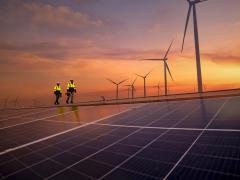
Delays in transmission expansion could prevent planned wind and solar capacity from being integrated into South Africa’s power system, according to Technology Innovation Agency (TIA) CEO Titus Mathe.
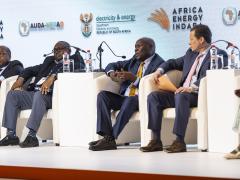
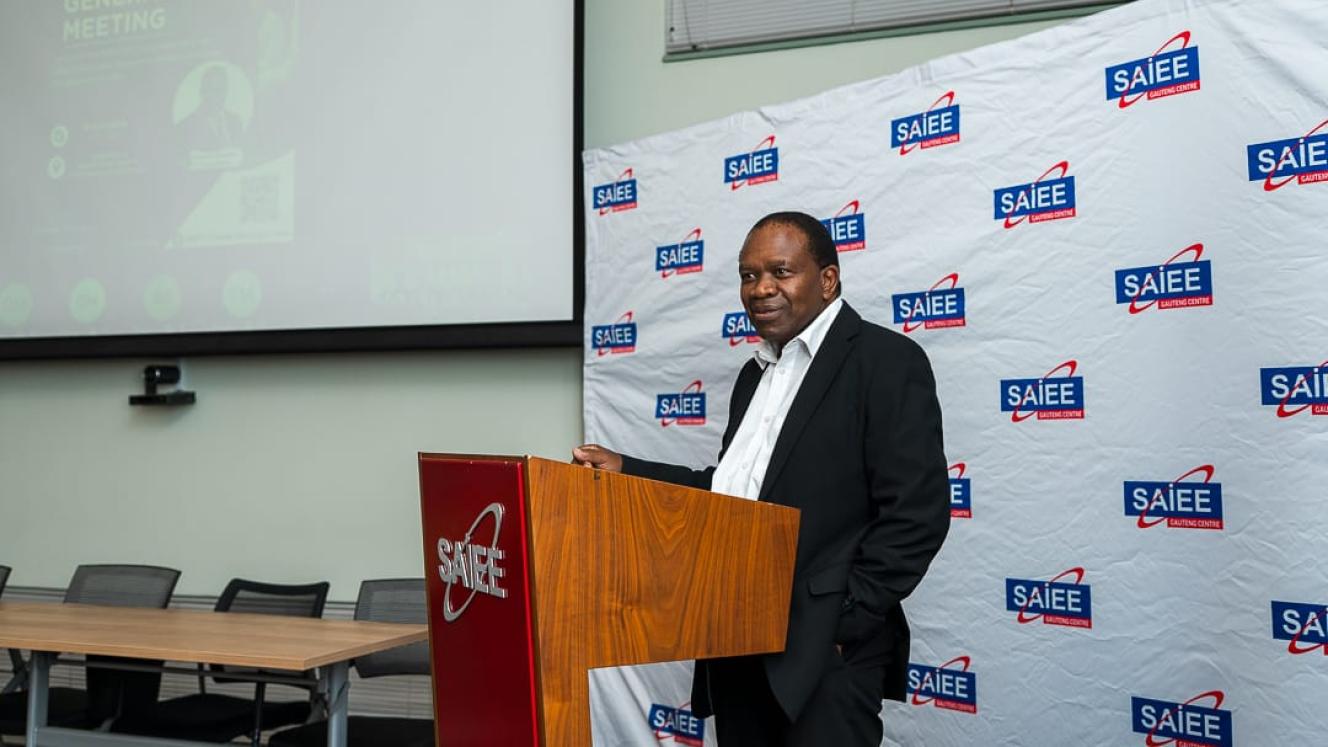
Speaking at the South African Institute of Electrical Engineers (SAIEE) Central Gauteng Centre AGM on April 16, Mathe said the success of the country’s energy transition depends on the timely build-out of transmission infrastructure.
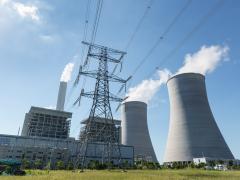
He pointed to plans to develop approximately 14 000 km of new transmission lines, warning that failure to deliver this infrastructure will constrain the evacuation of new generation capacity.
Mathe said the transition requires a broader reconfiguration of the power system rather than a narrow shift from coal to renewable energy.
“This transition is not simply about replacing coal with renewable. It’s about recognising and reconfiguring the entire energy system,” he said.
This includes integrating renewable energy with storage and flexible generation alongside enabling distributed energy systems and microgrids. A range of technologies will need to be deployed, including nuclear, gas and clean coal, Mathe added.
He said the power system will remain reliant on Eskom for the next 10-15 years despite increasing contributions from independent power producers.
Mathe also highlighted risks linked to energy security and import dependence, noting that gas supply remains uncertain and that key renewable energy components, including solar panels and wind turbines, are largely imported.
“The energy system is going to be highly digitalised in the next four to five years,” he said, adding that artificial intelligence is expected to play a growing role in forecasting and operational decision-making.
Addressing implementation challenges, Mathe said South Africa’s transition is constrained less by lack of ideas than by execution.
Also speaking at the event, Prudence Madiba, General Manager: Research, Testing and Development at Eskom, inaugurated as SAIEE President on March 26, said engineers will play a critical role as the country navigates a complex transition towards a net-zero energy system.