A surge in liquefied natural gas (LNG) supply is set to play a central role in rebalancing global gas markets in 2026, supporting renewed acceleration in demand growth after a slowdown last year, according to the latest quarterly Gas Market Report from the International Energy Agency (IEA).
The report builds on the IEA’s Gas 2025 outlook released in October, which projected a record wave of LNG projects coming online this decade. That expansion is expected to reshape global gas trade, strengthen market integration and improve affordability for emerging economies as new supply reaches the market.
The IEA’s latest report, released on January 23, shows that global gas demand growth slowed to below 1% in 2025, following relatively strong expansion in 2024. The agency attributes this decline to tighter supply conditions in the first half of 2025, which pushed spot prices higher, alongside weaker industrial activity that dampened consumption, particularly across Asian markets. Conditions began to ease from mid-2025 as LNG production accelerated.
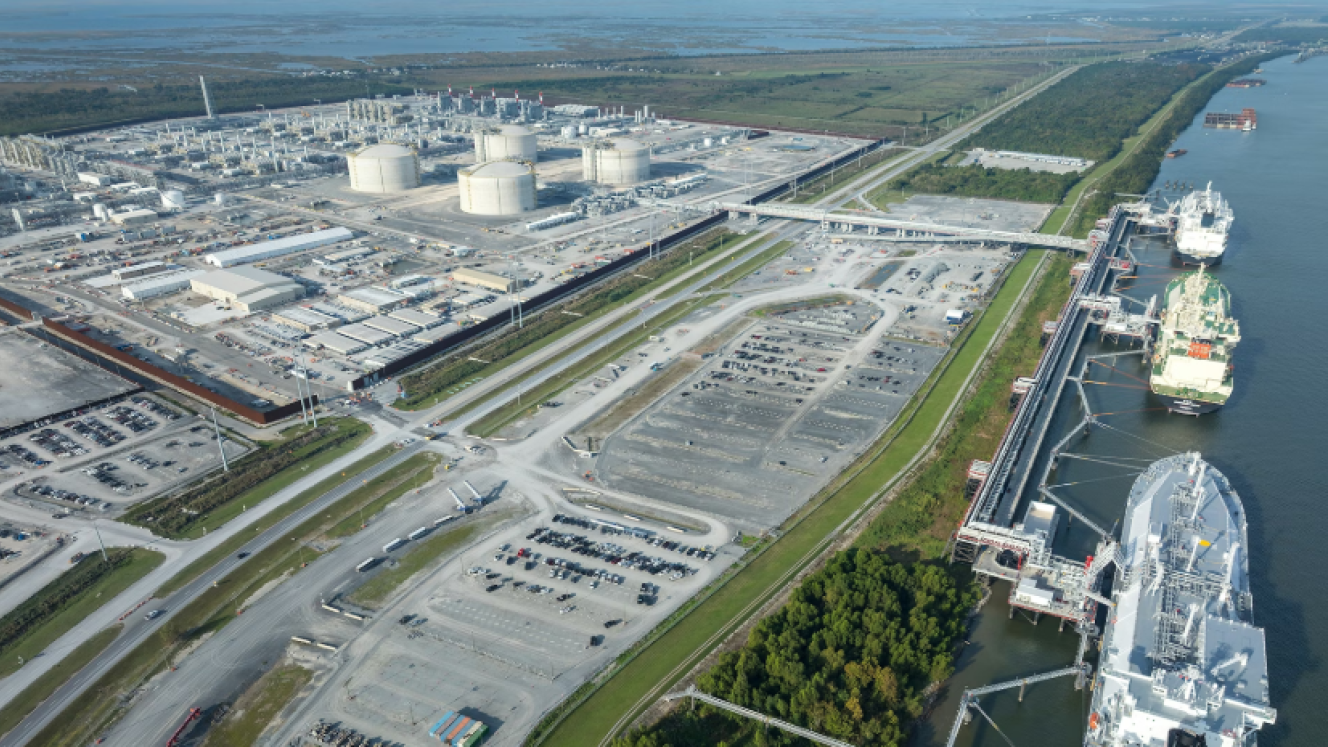
Data from the report shows that global LNG supply increased by almost 7% in 2025 with around three quarters of this growth occurring in the second half of the year. New liquefaction capacity in North America was the dominant driver, lifting LNG supply growth into double-digit territory in the latter half of 2025. This surge contributed to falling spot prices in European and Asian markets, reinforcing LNG’s role as the marginal balancing supply in global gas markets.
The IEA also highlights that the growing share of destination-flexible LNG has strengthened links between regional gas markets with price correlations reaching record highs.
“The unfolding LNG wave is set to have a central role in shaping global gas markets in coming years,” said Keisuke Sadamori, IEA Director of Energy Markets and Security. “Nevertheless, a range of risk factors remain as the volatility in natural gas markets in early 2026 has highlighted.”
Geopolitical and policy shifts continue to reshape trade flows, the IEA reports. These include further market liberalisation across parts of Asia and the European Union’s decision to phase out Russian pipeline gas imports by November 2027, increasing Europe’s structural reliance on LNG.
In Africa, LNG export dynamics remain concentrated. Nigeria retains its position as the continent’s largest LNG exporter with the country’s export performance last year benefitting from improved feed gas availability. While Africa’s overall share of global LNG trade remains moderate, the IEA notes that supply reliability and upstream constraints continue to shape the continent’s export potential.
For African power systems, LNG market developments are increasingly relevant as gas-fired generation plays a balancing role in electricity systems undergoing transition. However, in South Africa, domestic gas-to-power ambitions remain constrained following the Supreme Court of Appeal ruling that halted Eskom’s 3 000 MW gas project, slowing implementation of the country’s broader gas roadmap.
Looking ahead, the IEA forecasts that global LNG supply growth will accelerate further to more than 7% in 2026 – the fastest pace since 2019. This expansion is expected to lift global gas demand growth to nearly 2% in 2026, driven primarily by China and other emerging Asian markets.