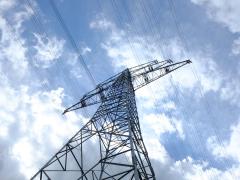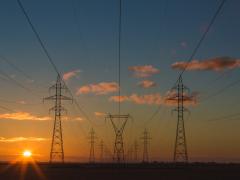
Transmission constraints, rather than a shortage of capital, are emerging as the primary barrier to power infrastructure investment across Southern Africa, according to financiers and regional institutions speaking at Africa Energy Indaba currently underway in Cape Town.
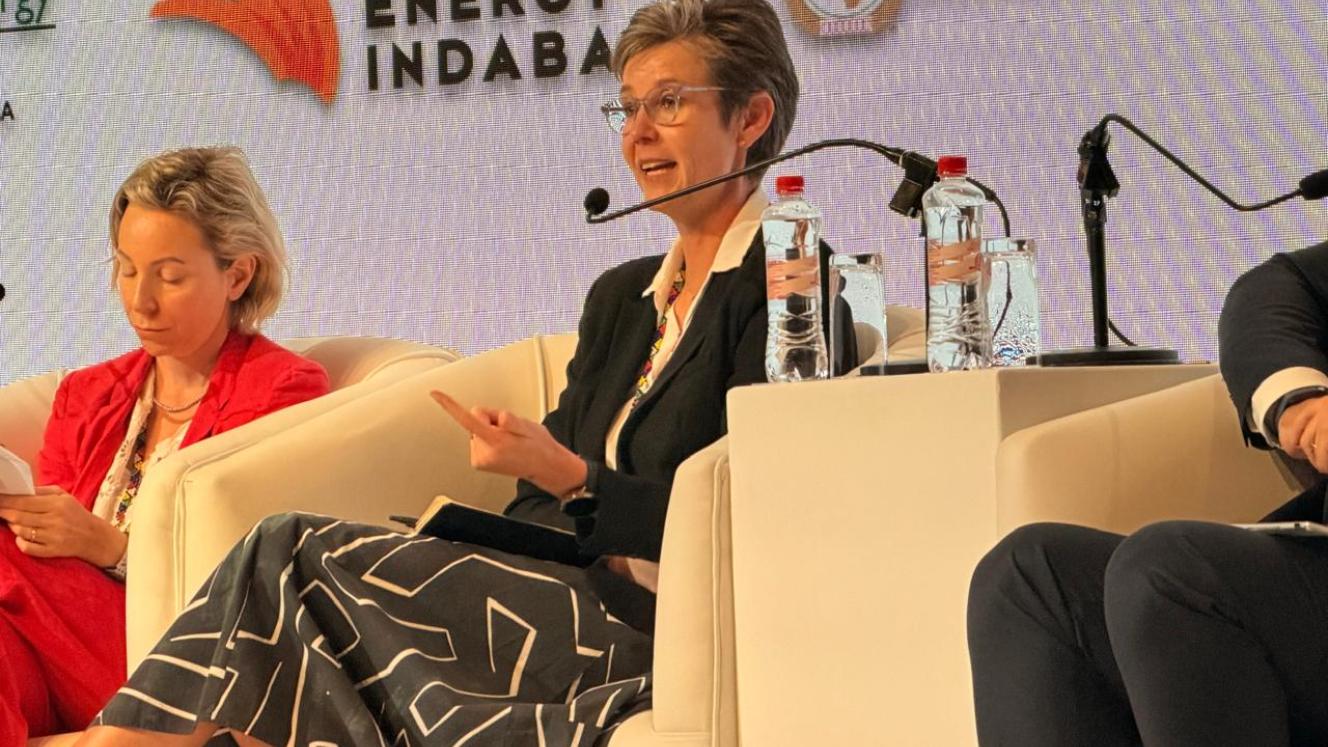
During a panel discussion (From planning to bankability: What will finally unlock investment and private-sector engagement in Africa’s power infrastructure), speakers representing governments, regional bodies and the private sector agreed that substantial capital is available for energy projects but bankable transmission pipelines remain limited.
Jean Madzongwe of the Southern African Power Pool said the region has a sizeable portfolio of generation and transmission projects identified through its regional planning processes but implementation remains uneven.
“There is a whole portfolio of transmission and generation projects,” she said, adding that a persistent challenge is “the limited amount of grant money available to take projects from one stage to the other”.
Madzongwe noted that feasibility studies often lapse before projects advance, creating a stop-start cycle that undermines investor confidence. “By the time projects get picked up after a few years, a lot of those studies have expired,” she said.
Rentia van Tonder of Standard Bank indicated that commercial banks are increasingly focusing on transmission as the next phase of regional infrastructure development.
“It’s not about just waiting for grant funding to arrive,” she said. “We need to find the right partners and be creative in how we address that gap.”
Van Tonder pointed to rising demand in mining-intensive corridors such as Zambia and the Democratic Republic of the Congo where supply constraints and limited grid capacity are becoming binding economic risks. She argued that greater urgency around transmission development is now visible across the region.
From an investor perspective, João Alvares of Averi Finance rejected the notion that capital scarcity is the core issue.
“There’s no lack of money for projects,” he said. “The capital is there.”
Instead, he argued that the real challenge lies in structuring projects correctly and ensuring regulatory stability. “What is needed is speed of execution,” he said, adding that private investors require enforceable frameworks, credible offtake arrangements and protection against regulatory shifts.
Alvares also emphasised that governments should focus on enabling frameworks rather than attempting to directly develop projects. “Governments need to enable, not develop,” he said, pointing to the importance of land access, right-of-way approvals and clear arbitration mechanisms.
Sara Buzzoni of the European Union delegation to the African Union acknowledged that early-stage project preparation remains a weak point. Fragmented preparation facilities, inconsistent environmental processes and delays in regulatory approvals were cited as factors that undermine investor confidence and delay financial close.
The consensus from the panel was clear: Africa’s power sector does not face a structural shortage of capital. Instead transmission bottlenecks, regulatory uncertainty and underprepared projects continue to delay bankable infrastructure. Until those structural constraints are addressed, significant volumes of available private capital are likely to remain on the sidelines.