The International Energy Agency (IEA) says supply disruptions linked to the Middle East conflict are increasing price volatility and delaying the expected easing of global gas market balances, according to the Gas Market Report for the second quarter of 2026.
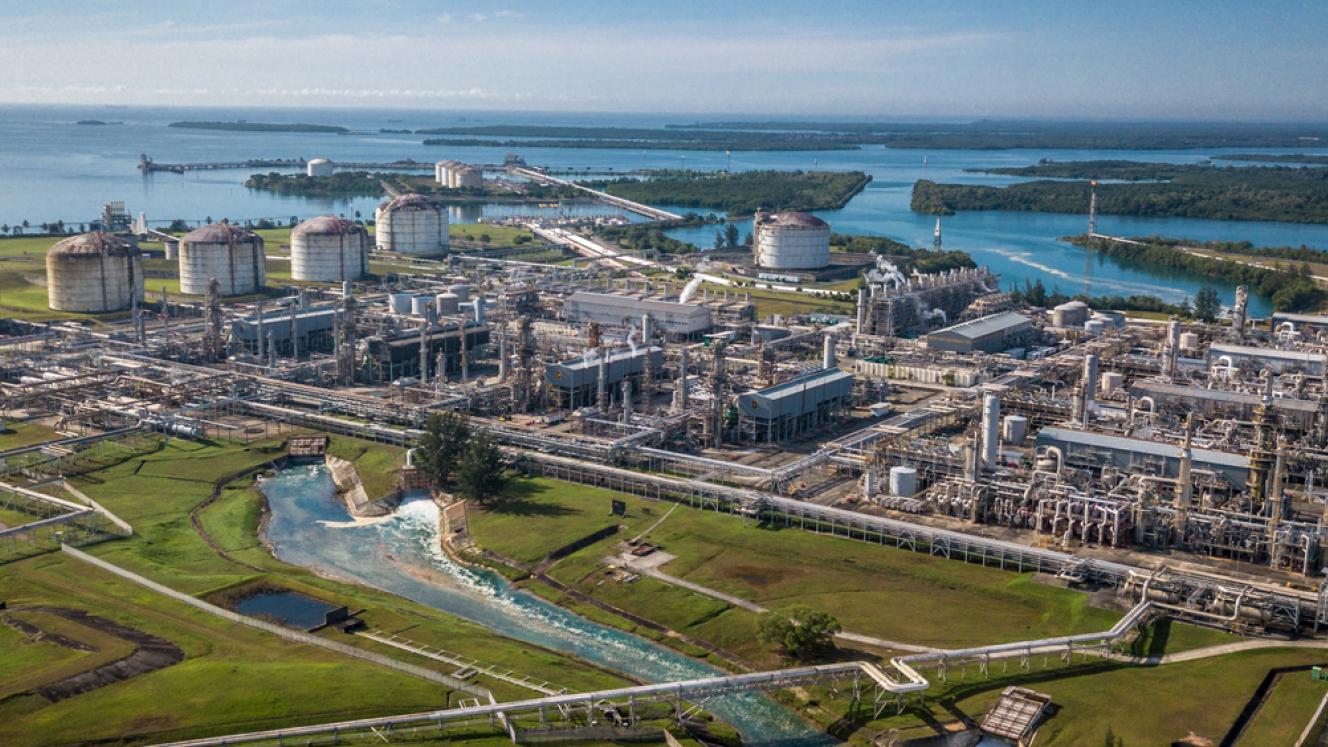
The agency noted that global gas markets have been rebalancing during the 2025/26 heating season, supported by liquefied natural gas (LNG) supply growth of around 12% year-on-year between October and February. This was driven by new projects in North America and additional output from Africa, contributing to softer prices across Asia and Europe earlier this year.
Market conditions shifted sharply in March following the effective closure of the Strait of Hormuz. The IEA said the disruption removed nearly 20% of global LNG supply, pushing prices in Asia and Europe to their highest levels since the 2022/23 energy crisis and increasing short-term price variability.
The report showed a significant increase in volatility with European benchmark volatility reaching 160% and Asian spot LNG volatility approaching 300%. The constrained supply environment also reshaped global trade flows with Asian buyers sourcing replacement cargoes from regions including North America and West Africa.
This has increased demand for African LNG. The IEA reported that African LNG exports increased by 14% year-on-year during the heating season, contributing to global supply resilience.
At the same time, infrastructure damage in the Middle East is affecting the medium-term outlook. The agency indicated that attacks on LNG facilities are expected to delay new supply capacity and postpone the anticipated “LNG wave” by at least two years.
Looking ahead, the IEA said each month of disruption could remove around 10 bcm of supply, pushing back the timeline for a sustained easing of global gas balances.