Prolonged geopolitical tensions in the Middle East could accelerate a structural shift in global energy systems towards domestic power generation, according to a new scenario analysis by global energy research consultancy Wood Mackenzie.
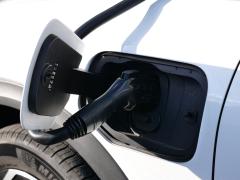
In its latest Lens Energy Transition Scenarios report, the firm outlines a “conflict scenario” in which countries reduce reliance on imported energy by increasing investment in electrification, renewables and coal-fired and nuclear power.
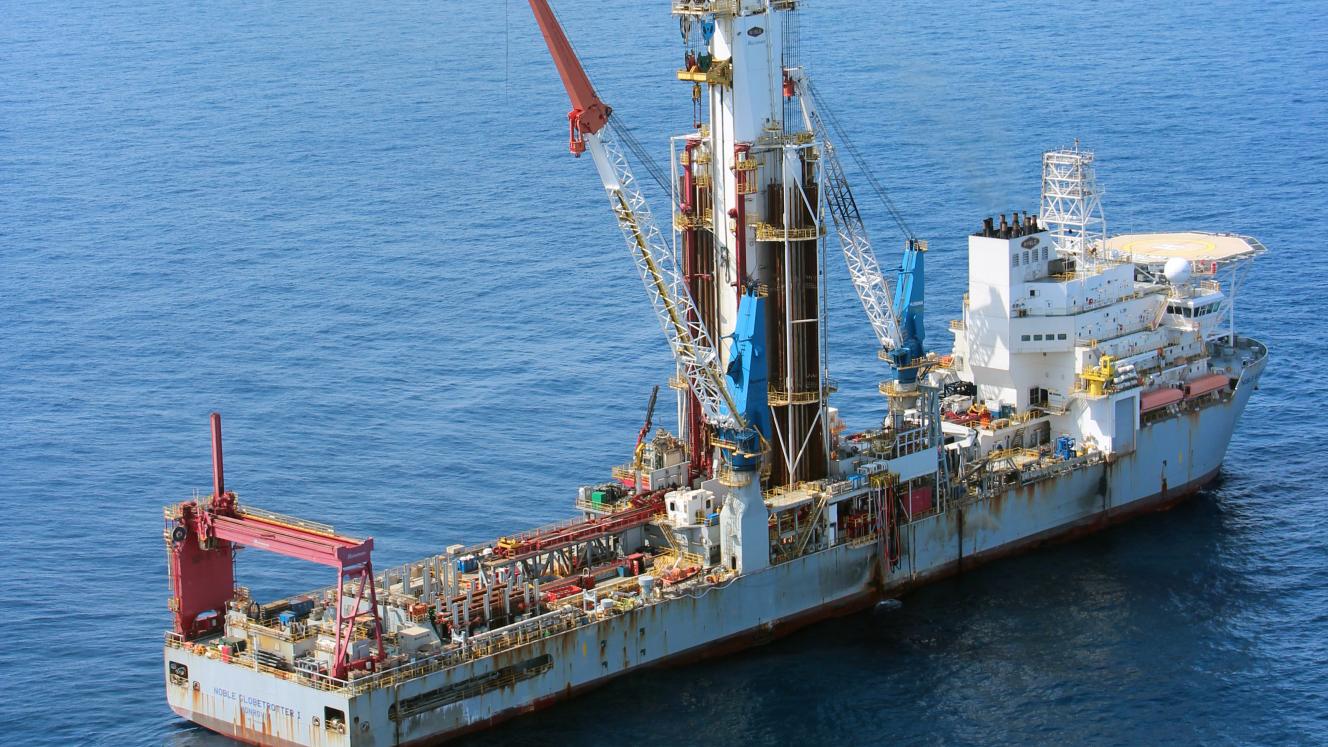
Under this scenario, global oil demand could fall by 20% and gas demand by 10% by 2050 relative to the base case.
The report also highlights potential near-term disruptions of between 15% and 20% of global oil and liquefied natural gas supply, resulting in an initial 9% drop in demand. While demand is expected to recover by around 2030, government responses during this period are projected to drive longer-term structural changes.
“Geopolitical crises can act as powerful catalysts for long-term system change,” said Prakash Sharma Vice President of Scenarios and Technologies at Wood Mackenzie.
The report projects that efforts to strengthen energy security would see increased deployment of domestic generation capacity, including a 40% rise in nuclear generation and a 20% increase in coal demand. In contrast, hydrogen and carbon capture technologies are expected to decline under this scenario due to cost and security considerations.
“Energy independence reduces exposure to external shocks but it comes at a structural cost premium,” said Lindsey Entwistle Principal Analyst of Scenarios and Technologies at Wood Mackenzie.