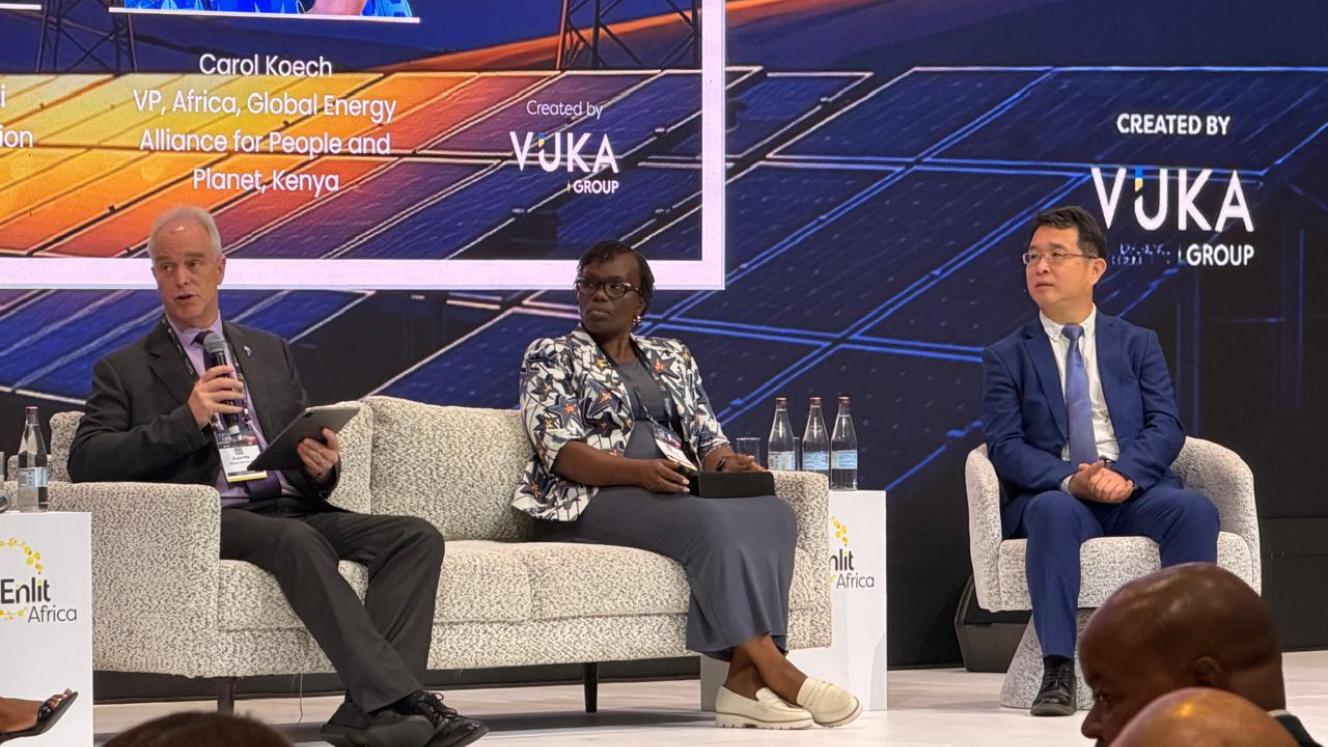
The rapid growth of artificial intelligence (AI) and data centre infrastructure is emerging as a major new electricity demand driver in Africa with industry leaders arguing that the trend could accelerate investment in renewable energy, transmission infrastructure and wheeling frameworks across the continent.
Speaking during the opening of the Enlit Africa 2026 conference in Cape Town on May 19, industry stakeholders described AI and digital infrastructure as a major electricity consumer and a catalyst for new power sector investment.
The expansion of AI and cloud computing infrastructure should be viewed as an economic growth opportunity rather than a burden on electricity systems, said Angus Hay, Group Executive for Data Centres at Cassava Technologies. “We see renewable energy as the new oil,” he said.
Hay argued that Africa’s renewable energy resources could position the continent as a future destination for AI infrastructure development, provided electricity systems, fibre connectivity and transmission networks continue expanding.
Africa currently accounts for about 15% of the global population but only around 1% of the world’s data centres.
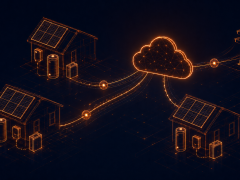
According to Hay, data centre operators are increasingly becoming drivers of renewable energy procurement through power purchase agreements and wheeling arrangements as operators seek high reliability and low-carbon electricity supply. Wheeling frameworks in South Africa are creating opportunities for data centre operators to source renewable electricity from generation sites located elsewhere on the grid, he added.
The discussion also highlighted growing concerns about data sovereignty, digital infrastructure ownership and the localisation of AI processing capability within African markets.
Carol Koech, Vice President for Africa at the Global Energy Alliance for People and Planet, said African utilities and governments need to carefully consider who controls operational data and AI decision-making systems.
“The question that Africans need to ask themselves is ‘What do we want to control?’” Koech said.
She argued that AI and digitalisation could strengthen energy sovereignty if implemented correctly but warned that poorly structured deployment models could create new forms of technological dependency.
Koech also said Africa has an opportunity to leapfrog directly towards more flexible and digitally enabled electricity systems.
Jacky Wang, Vice President of the Electric Power Digitalisation business unit at Huawei, outlined several utility applications already being deployed commercially, including AI-enabled perimeter security systems, digital substations and operational monitoring platforms.
Wang said AI is particularly effective in repetitive operational environments where systems could continuously improve through machine learning and pattern recognition.