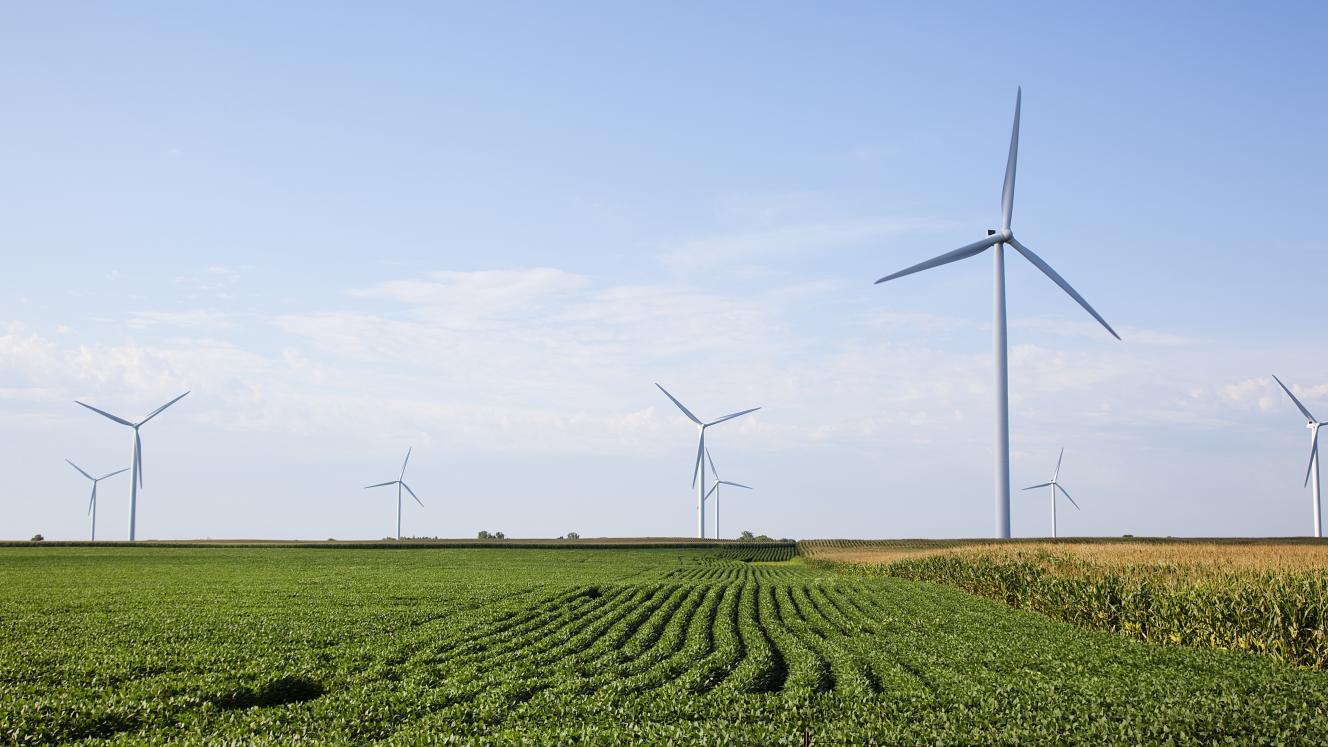
The global wind sector added 165 GW of new capacity in 2025, marking another record year and reinforcing wind’s role as a “cornerstone of modern energy systems”, according to the Global Wind Report 2026 published by the Global Wind Energy Council (GWEC).
Cumulative global wind capacity has now exceeded 1 299 GW with the technology increasingly positioned as a central pillar of electricity systems as demand rises and economies electrify.
However, the report indicates a shift in focus away from pure capacity additions towards system-level challenges with grid integration, flexibility and infrastructure emerging as critical enablers of further growth.
“System integration capability is becoming just as critical as pure megawatt deployment,” the report notes, highlighting the need for expanded transmission networks, improved grid operations and complementary technologies such as storage and hybrid renewable projects.
GWEC states that wind is now delivering power at scale across major economies, supporting industrial demand while contributing to energy security. The report emphasises that wind reduces exposure to volatile fossil fuel markets by relying on domestic resources, providing more stable and predictable electricity costs over the long term.
The analysis is set against a backdrop of heightened geopolitical instability and energy market volatility, which the report identifies as reinforcing the strategic value of renewable energy. It notes that reliance on imported fossil fuels remains a structural vulnerability for many economies while domestically sourced renewables such as wind offer greater resilience.
At the same time, accelerating electricity demand – driven by digital infrastructure, industrial activity and electrification – is placing increasing pressure on power systems. The report states that integrating large volumes of variable renewable energy will require coordinated investment in grids alongside flexible resources such as storage and demand response.
In its regional outlook, GWEC identifies South Africa among the “markets to watch” within the Middle East and Africa alongside countries such as Egypt, Kenya and Saudi Arabia.
The report states that wind power is no longer limited to a small group of mature markets but is increasingly being adopted across established and emerging economies as a strategic asset for energy security, industrial development and long-term economic growth.
Looking ahead, GWEC notes that significantly faster deployment will be required to meet global climate targets, including the goal of tripling renewable energy capacity by 2030. While the sector is expanding rapidly, the report indicates that further acceleration will depend on policy certainty, investment in grid infrastructure and the development of stable market frameworks.