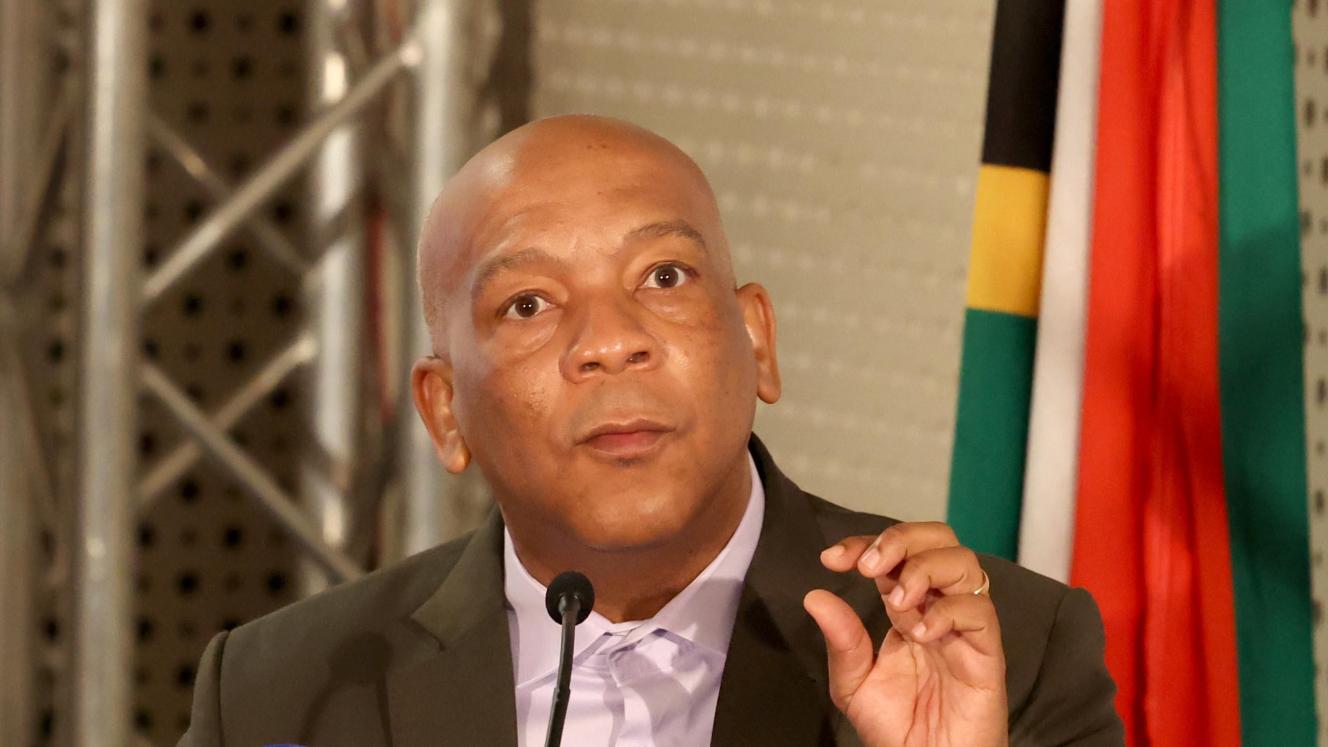
South Africa’s efforts to eliminate load reduction are increasingly focused on the distribution layer with Electricity and Energy Minister Kgosientsho Ramokgopa positioning smart metering as a central tool in stabilising overloaded networks and enabling more targeted system control.
Addressing the National Assembly on March 24, Ramokgopa said load reduction is not a generation shortfall but a localised network protection measure triggered by sustained overloading at the distribution level.
“At its peak, 971 feeders affecting approximately 1,69 million customers were placed under load reduction largely due to illegal connections, meter bypassing and infrastructure stress,” he said.
The minister described smart meters as critical grid intelligence infrastructure, enabling real-time visibility of consumption, detection of tampering and remote intervention at customer level.
“These meters enable real-time visibility, detect tampering and allow for remote disconnection and load limiting,” Ramokgopa said, adding that this allows authorities to act with greater precision by targeting unlawful consumption rather than switching off entire communities.
More than 380 000 smart meters have been installed nationally to date with over 190 000 deployed in load reduction areas. The current programme targets full smart meter coverage across all load reduction feeders by 2027, forming part of a broader plan to install more than six million smart meters by 2029.
Ramokgopa said the rollout is part of a phased intervention focused on stabilising high-risk feeders and supporting the removal of load reduction. Government has set a target to remove 271 feeders from load reduction in the current financial year with more than 140 feeders already restored.
To date, approximately 199 000 customers have been removed from load reduction schedules through a combination of smart metering, infrastructure upgrades and feeder stabilisation.