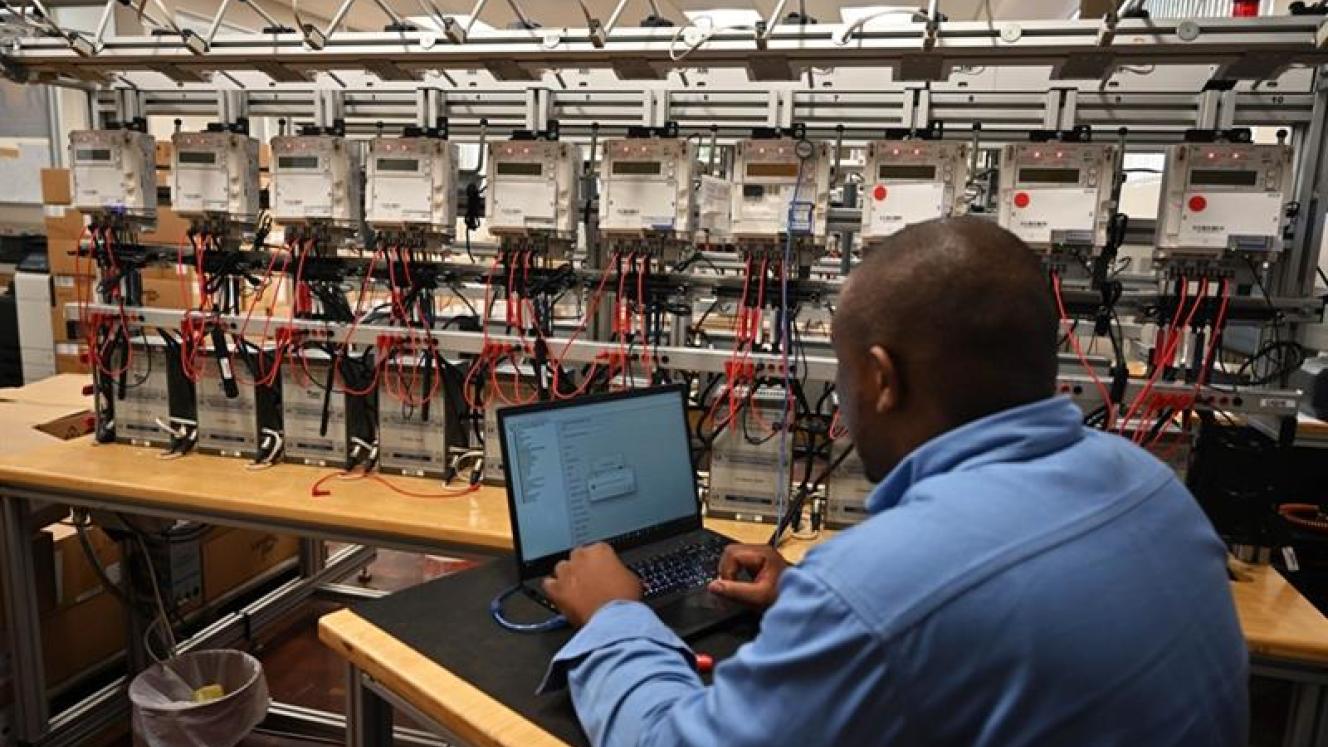
The City of Cape Town’s smart metering programme is increasingly reflecting the technical foundations required for a data-driven distribution grid, aligning with national policy direction outlined by Electricity and Energy Minister Kgosientsho Ramokgopa.
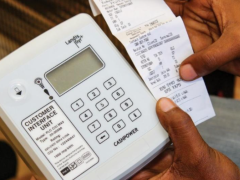
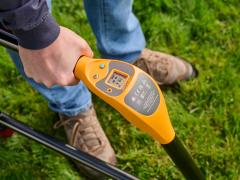
During a recent oversight visit to the City’s electricity meter testing laboratory, the municipality highlighted that it is among a limited number of South African metros with in-house meter testing and calibration capability. Meters are tested for accuracy and compliance prior to installation, supporting reliable consumption data at the point of measurement.
“The City’s testing capability is central to ensuring the accuracy and reliability of electricity meters installed across the metro,” said Alderman Limberg, Mayoral Committee Member for Energy.
This focus on accuracy, verification and system integration at municipal level mirrors the minister’s national positioning of smart meters as more than billing tools. Addressing the National Assembly, Ramokgopa said smart meters enable real-time visibility, as well as remote disconnection and load limiting.
“This allows the state to act with precision in managing overloaded networks,” Ramokgopa said.
The minister indicated that more than 380 000 smart meters have been installed nationally, while the City of Cape Town reported over 600 000 electricity prepaid meters currently in use across the metro.
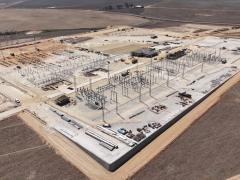
The smart-meter rollout forms part of a broader programme aimed at addressing load reduction, which at its peak affected 971 feeders and approximately 1,69 million customers. Ramokgopa added that distribution constraints remain spatially uneven, with faster resolution expected in provinces such as the Western Cape due to lower network stress.