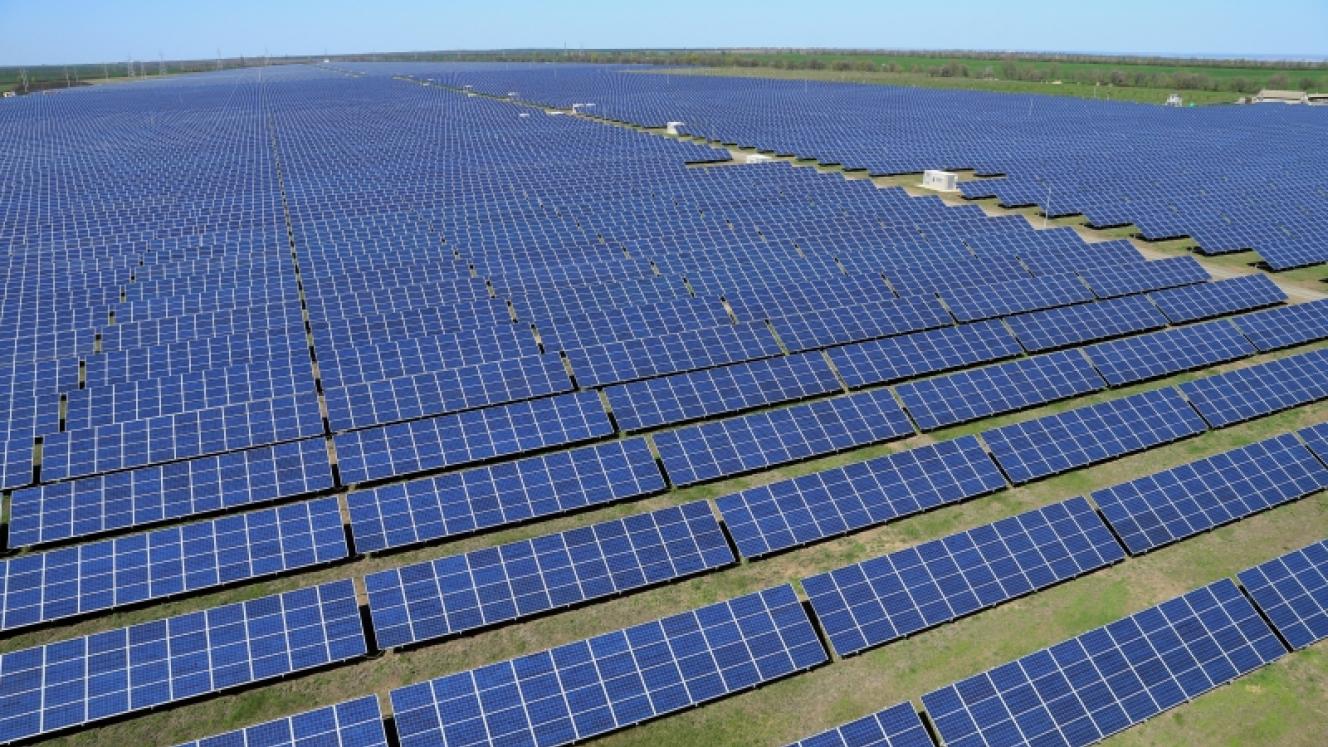
South Africa risks missing a new wave of global solar manufacturing opportunities unless longstanding policy barriers are addressed, the South African Photovoltaic Industry Association (SAPVIA) has warned. Presenting an updated localisation analysis on December 9, SAPVIA CEO Rethabile Melamu said policy coherence and certainty remain essential to building a competitive domestic value chain.
The briefing outlined the scale of South Africa’s missed industrialisation potential after stalling the Renewable Energy Independent Power Producer Procurement Programme at Bid Window 4. According to Melamu, cancelled and closed manufacturing investments amounted to R1,69 billion with eight factory closures and 1 190 jobs lost. Earlier rounds supported R990 million in investment, 15 operational factories and 760 manufacturing jobs.
SAPVIA said the updated localisation study builds on its 2022 report and assesses South Africa’s current manufacturing capabilities across the solar PV value chain including mineral inputs, components, assembly, installation and end-of-life processes. The value chain diagrams presented during the briefing illustrate the extent of potential localisation opportunities – from module lamination and mounting structures to cables, transformers, civil works and panel recycling.
Key recommendations for South Africa include:
- Regular and predictable updates to the Integrated Resource Plan
- Reconfigured trade policy instruments to support localisation
- Fiscal incentives, including tax-based support for catalytic projects, green Special economic zones and rooftop solar
- Strengthened standards and testing capabilities
The study also notes that global supply chain dynamics are shifting. China holds over 80% of the solar PV panel value chain and 75% of global module manufacturing while the US and EU are pursuing diversification strategies through industrial, trade and regulatory measures. Many developing countries are also targeting integrated solar PV manufacturing with Vietnam, Malaysia and Thailand active in module assembly.
SAPVIA’s analysis identifies multiple areas within the South African PV ecosystem where moderate to intensive capability development could unlock domestic manufacturing. These range from aluminium frames, brackets and clamps to DC cables, combiner boxes, switchgear, enclosures, inverters, transformers and site civil works. Capabilities for reuse and recycling of modules and electrical components were also highlighted.