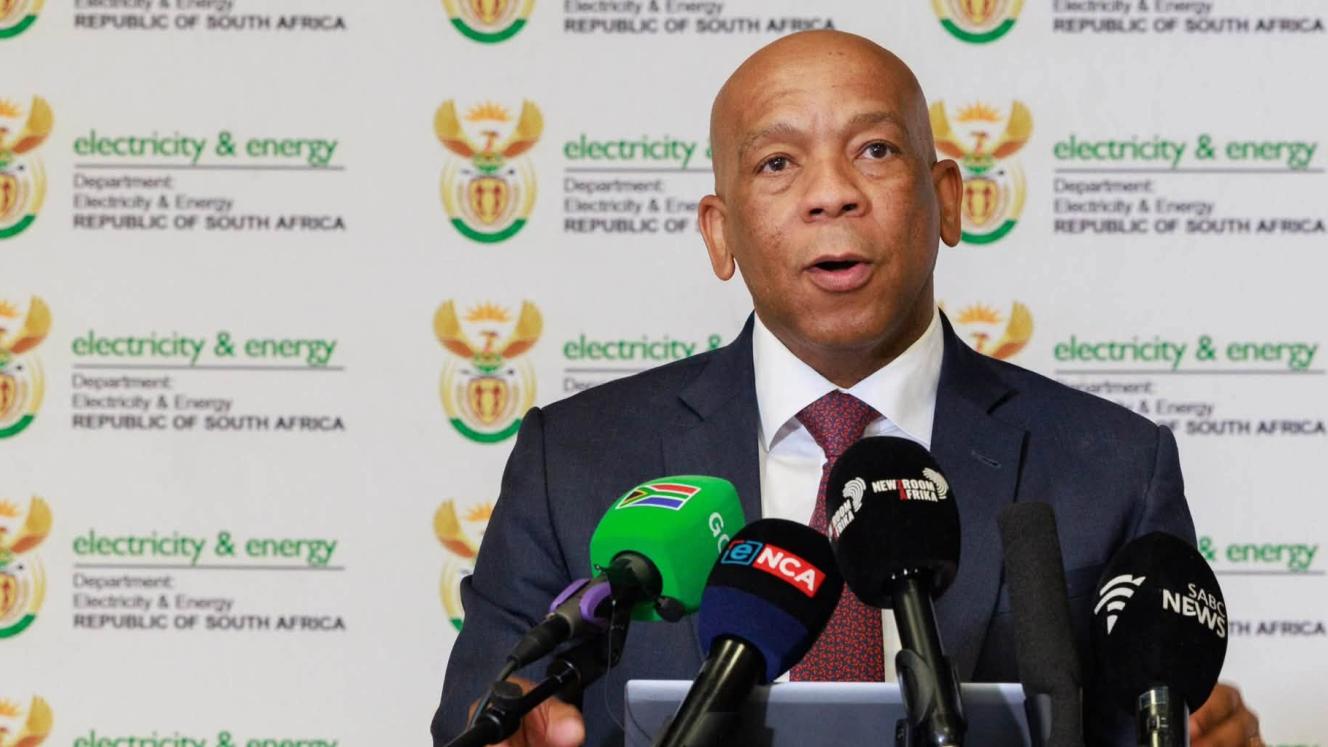
Eskom’s regulatory position must change if it is expected to compete with private generators, says Electricity and Energy Minister Kgosientsho Ramokgopa.
The minister intends to approach Cabinet about releasing Eskom from Public Finance Management Act (PFMA) constraints that he says prevent the utility from competing on equal terms.
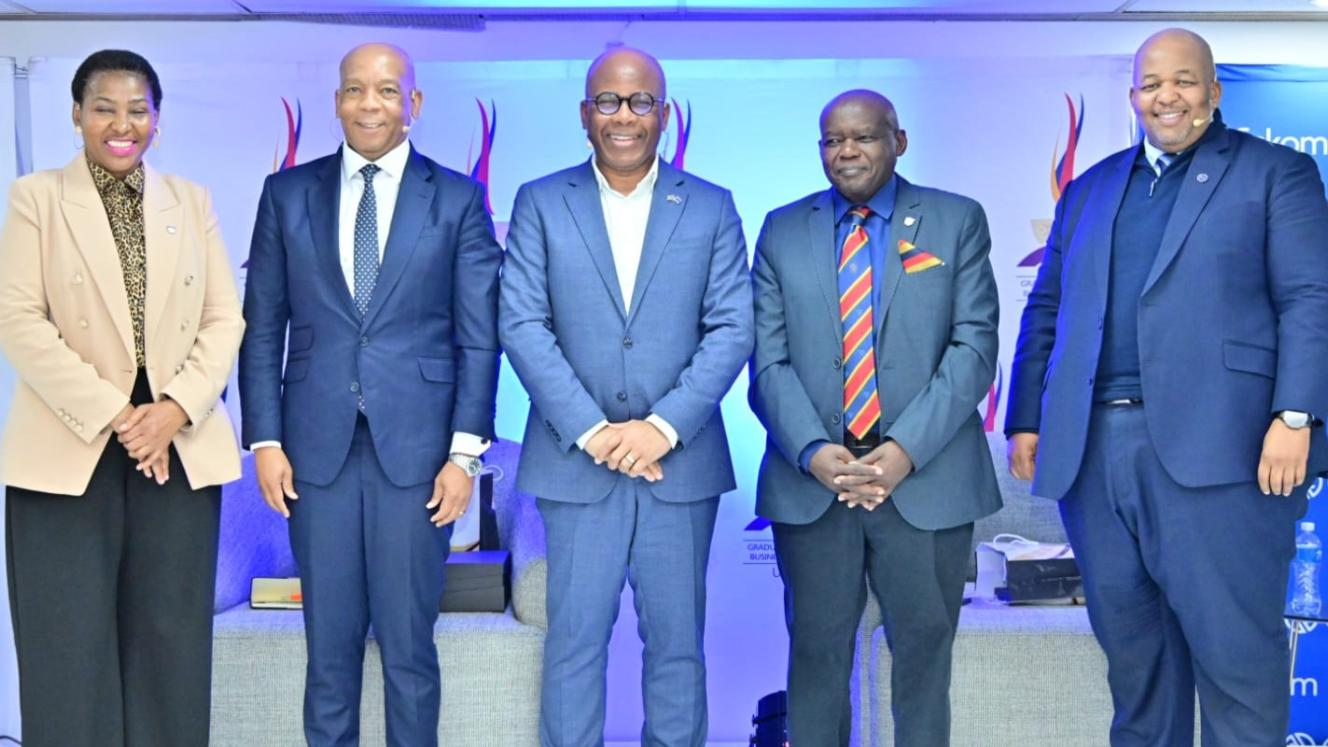
“Eskom does not have the flexibility that other private-sector actors have. Eskom has to be subjected to the PFMA,” Ramokgopa said during a panel discussion at the UNISA Graduate School of Business Leadership last week.
He said he intends to engage with Finance Minister Enoch Godongwana before making a submission to Cabinet.
Ramokgopa linked the proposal to South Africa’s transition towards a competitive electricity market in which generators will be able to sell electricity through bilateral contracts or the planned wholesale electricity market.
Eskom Green an example
The constraints would be particularly significant for Eskom Green, the utility’s newly established renewable energy subsidiary, Ramokgopa said. “It will not be able to compete with the independent power producers at the speed that is required because it has to comply with the PFMA.”
He said Eskom could identify a technology that would advance its commercial interests but would still have to conduct a public procurement process when competing companies are not subject to the same requirements.
“That is an unfair playing field. We need to level the playing field.”
Eskom Green would have to raise funding for its projects and make decisions about technologies, financing instruments and project partners, Ramokgopa said. “They shouldn’t be burdened by the PFMA. They should consider what their balance sheet looks like and what other competitors are doing.”
Public obligations complicate competition
Eskom’s transition into a competitive market will also be complicated by the public interest obligations it continues to carry, Ramokgopa said.
He cited the City of Johannesburg’s approximately R7 billion electricity debt to illustrate the conflict. Government could ask Eskom not to disconnect a municipality while efforts are underway to resolve its debt, Ramokgopa said. However, in a fully commercial market, a supplier would ordinarily disconnect a customer that does not pay.
“In a perfectly functioning market, they would switch them off,” he pointed out.
The same tension applies to Eskom’s obligation to provide free basic electricity to qualifying indigent households, Ramokgopa added. “I can say to Mr (Dan) Marokane ‘We’re going to continue to provide free basic electricity to the poor.’ But they’ll come back to me and say ‘Place the same obligation on other people. Why only me?’ And then, at the same time, you want me to retain a profit.”
Ramokgopa said Eskom should be afforded the same flexibility as other participants in the restructured electricity market. “We have agreed that Eskom will not be vertically integrated anymore and, on the generation side, there are a number of actors. To regulate this new dispensation, we’re introducing the South African wholesale electricity market where actors can choose to play through bilaterals or go through a central purchasing agency for their own selling of that electricity.
“Now it’s law and Eskom is one of the players. It must be afforded that.”