Municipalities and electricity utilities are beginning to invest in electric vehicle (EV) charging infrastructure as South Africa’s public charging network expands, according to the International Council on Clean Transportation (ICCT).
Speaking during an EV100 and Zimi webinar, ICCT Senior Researcher Priyam Reddy said charging infrastructure is being developed along passenger and freight transport routes.
“Investment in charging infrastructure is continuing to grow,” Reddy said. “It’s interesting to see that municipalities and utilities are now investing in charging infrastructure.”
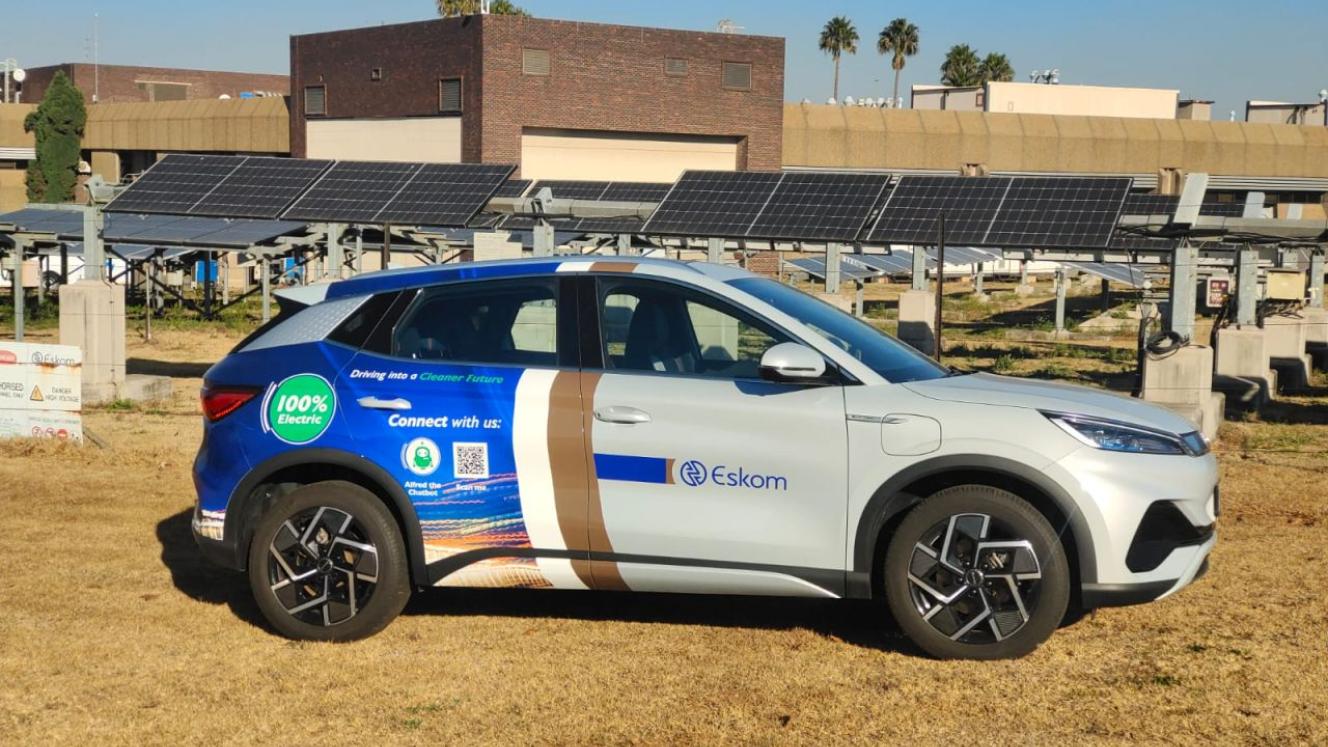
She cited City Power’s charging hub in Johannesburg, which has 10 solar-powered charging stations and 20 connectors, as an example. Eskom is also investing in charging infrastructure, Reddy said. The utility installed 10 charging stations across five sites in August 2024 and, in September 2025, announced plans to roll out 55 public charging stations over the following two years.
“There have been a number of reports in the media of public charging infrastructure investment. We can verify there are at least 145 public charging stations across South Africa,” she said.
Reddy also pointed to the development of off-grid charging infrastructure along routes where grid capacity is limited. “We’ve seen Zero Carbon Charge investing in off-grid, solar-powered charging stations, really dealing with the need for renewable energy for charging and limited grid capacity in certain corridors.”
Grid capacity shapes charger selection
The power available from a municipal connection or an on-site electricity supply determines the charging capacity that can be installed at a home, business premises or fleet depot.
In a technical presentation, Zimi Project Engineer Michael MacIntyre explained that EV charging infrastructure is divided principally between alternating current (AC) and direct current (DC) systems.
AC chargers, generally used for home and overnight charging, require less capital and are easier to install than DC chargers but charge vehicles more slowly, he said.
A 7,4 kW residential AC charger typically draws 32 A from a single-phase supply. This represents about half of the capacity of a typical 63 A residential connection and must therefore be considered alongside the building’s other electrical loads.
DC chargers convert three-phase AC power to DC and supply it directly to the vehicle battery, allowing faster charging. McIntyre said charger ratings offered by Zimi range from 13 kW to 360 kW.
“Speed and size are normally selected in parallel with the type of vehicle that you are interested in using and also the size of your municipal connection or your energy supply at your premises or your warehouse,” he said.
“If you don’t have a big municipal supply and you don’t have a lot of power available, then you need to do a slower one. If you have a lot of power, then you can have a couple of these.”
For fleet operators, charger availability and operating data are also important. McIntyre said charging systems should provide information on charging speed, electricity consumption and the times when vehicles are charged.
“Charging behaviour is very critical,” he said. “Out of that data, you can learn a lot and optimise charging for clients.”