South Africa’s energy transition is often discussed in policy or climate terms. For heavy industries such as ferrochrome, steel and manganese, however, the transition is operational, technical and economic, says energy expert Vally Padayachee.
Three engineering concepts explain why:
- Electrical energy intensity
- Electrical energy density
- Electrical energy mix
Together, they shape what is realistically achievable as South Africa moves from a coal-dominated system towards a more renewable future.
Energy intensity: The scale of industrial demand
Electrical energy intensity describes the amount of electricity required to produce a unit of output. In sectors such as smelting and refining, this is a central operational reality. High electrical energy intensity means large, continuous volumes of power are required simply to keep processes running.
Interruptions or insufficient supply cannot easily be absorbed without affecting output, equipment and costs. Understanding electrical energy intensity, therefore, informs infrastructure planning, electricity procurement and long-term investment decisions. Where intensity is high, electricity becomes a determining factor in competitiveness and sustainability.
Reducing intensity through improved processes can lower costs and environmental impact but such improvements are often incremental and capital-intensive. They do not remove the need for substantial, reliable supply.
Energy density: Why source characteristics matter
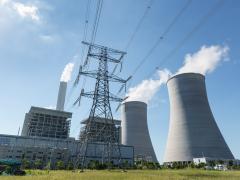
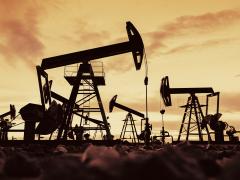
Electrical energy density refers to the amount of energy available per unit of volume or mass. Fossil fuels such as coal and natural gas have high energy densities, historically making them suitable for concentrated industrial demand.
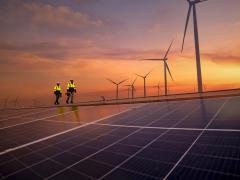
Renewables such as solar and wind have lower energy densities in practical deployment terms. Supplying the same level of usable energy requires extensive generation capacity, infrastructure and, importantly, storage or hybrid solutions.
Without adequate storage or complementary firm generation, low-density renewable sources can struggle to meet the continuous, high-intensity demands of heavy industry. This makes the transition a complex integration challenge rather than a simple substitution.
The energy mix: Balancing sustainability and reliability
The electrical energy mix is the combination of generation sources used to meet demand. Coal still dominates South Africa’s mix even as renewable capacity grows.
A diversified mix can improve resilience and reduce exposure to fuel price volatility while lowering the carbon intensity of industrial output. However, reliability remains essential. Processes that depend on steady power cannot operate on variable supply alone.
This emphasises how renewables are integrated – supported by storage, grid improvements and complementary generation. A balanced mix requires significant infrastructure investment and co-ordinated operation between sources with renewables contributing alongside other technologies to provide stability and firm capacity.
A system-level transition
Electricity-intensive industries remain foundational to South Africa’s economy and operate with inherently high electrical energy intensity. As the national mix evolves, these sectors face pressure to reduce environmental impact while maintaining productivity and competitiveness.
Addressing high intensity and the limits associated with lower energy density sources requires coordinated technological and policy responses. Advancing storage, improving efficiencies and designing the energy mix with system stability in mind will be critical.
The transition is not simply about replacing one source with another. It is a structural shift in how energy is produced, delivered and used. A sustainable future will depend on balancing technical realities with environmental goals, ensuring that the industries underpinning the economy can adapt and continue to operate within a more resilient and evolving electrical energy landscape.