The global energy sector is navigating a blizzard of uncertainty complicating decision-making for policymakers, business leaders and investors alike. Geopolitical tensions are straining long-standing relationships and reshaping energy markets. Yet, even in this period of flux, several clear trends remain visible, says Fatih Birol, Executive Director of the International Energy Agency.
The world has entered the age of electricity
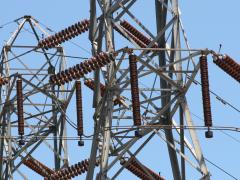
More than half of annual global energy investment now flows into electricity. Power underpins the fastest-growing parts of the global economy, increasing its share in sectors such as transport and heating through electric vehicles and heat pumps.
Renewables will keep growing
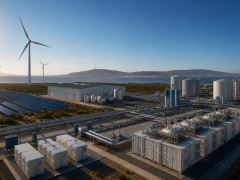
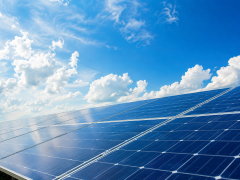
Renewables are becoming the most competitive source of new power worldwide, meeting much, if not all, of rising electricity demand. Solar is leading this expansion and countries with strong resource endowments, including India, are particularly well positioned. Emerging options such as next-generation geothermal are also gaining momentum.
Nuclear power is making a comeback
After setbacks in the 2010s, nuclear energy is rising again. More than 70 GW of new capacity is currently under construction – among the highest levels seen in three decades. Growing electricity demand from data centres has supported this revival, given nuclear’s ability to provide low-emissions, round-the-clock power.
Energy security risks are multiplying, especially for critical minerals
Risks to oil and gas supply are increasingly defined by vulnerabilities in electricity systems and mineral supply chains. Recent large-scale blackouts in countries such as Chile and Spain have highlighted these challenges. China currently dominates refining for 19 of the 20 strategic energy minerals with an average market share of about 70%. Climate change further amplifies these risks, reinforcing the need for more resilient energy infrastructure.
States are taking the reins
Governments are intervening more directly in energy markets to shape outcomes rather than leaving them solely to market forces. This is evident in efforts to diversify energy technology supply chains and reduce reliance on dominant players. Oil and gas trade is also increasingly influenced by geopolitics, sanctions and state-to-state negotiations.
We are shifting to a buyer’s market for key fuels and technologies
Ample supply has already placed downward pressure on oil prices and similar conditions are expected in natural gas markets. Manufacturing capacity for renewable energy technologies is also strong. While lower prices may benefit consumers, they risk discouraging investment with consequences that could be felt for years.
New players are increasingly driving global energy trends
A group of emerging economies across Southeast Asia, the Middle East, Latin America and Africa are playing a growing role in shaping global energy market dynamics. However, China’s extraordinary energy trajectory is unlikely to be replicated anytime soon.
Amid global economic turmoil, focusing only on uncertainty can lead to indecision and paralysis. While risks remain, there are still clear certainties that decision-makers can rely on – and these should not be lost as governments and industries plan for the future.