South Africa’s electricity reform process is entering a phase where policy is beginning to translate into practical procurement decisions. Andre Nepgen, CEO of Discovery Green, examines how evolving wheeling frameworks, tightening grid access and changing global cost dynamics are reshaping renewable energy strategies for large energy users in 2026.
Trader-led wheeling and portfolio models
Electricity reform is shifting from regulatory development to implementation, placing wheeling frameworks at the centre of procurement strategies. While the South African Wholesale Electricity Market remains in development, the most immediate impact for large energy users is from clearer wheeling participation rules, standardised processes and the growth of trader-led portfolio models.
Trader-led structures enable licensed traders to coordinate supply between independent power producers and end users, aggregating generation across portfolios and managing administrative and operational complexity. Aggregation allows renewable energy to function as a scalable market rather than a collection of bespoke bilateral transactions – supporting flexibility, resilience and risk management.
Changing cost assumptions
Global market conditions are challenging long-held assumptions about continuously declining renewable energy costs. Upward price pressures linked to global input inflation, export policy changes and material constraints are influencing procurement decisions and long-term project economics.
The anticipated removal of China’s value-added tax export rebate on solar modules and wafers, rising silver prices used in high-efficiency solar panels and the shift towards N-type technologies are contributing to price uncertainty. With solar panels, inverters and batteries largely priced in US dollars, currency strength alone is no longer sufficient to offset global cost increases. In this environment, procurement timing becomes a strategic consideration rather than a purely cost-driven decision.
Electricity tariffs remain another critical factor. Following the National Energy Regulator of South Africa’s revenue redetermination, tariff increases scheduled for the coming years continue a decade-long trajectory of rising electricity costs, reinforcing the role of renewable procurement in long-term energy planning.
Grid access and system constraints
Grid capacity constraints are emerging as one of the most significant challenges facing renewable energy expansion. A large proportion of private renewable applications is concentrated in the Eastern, Western and Northern Cape regions where firm grid capacity has largely been exhausted and project backlogs continue to grow.
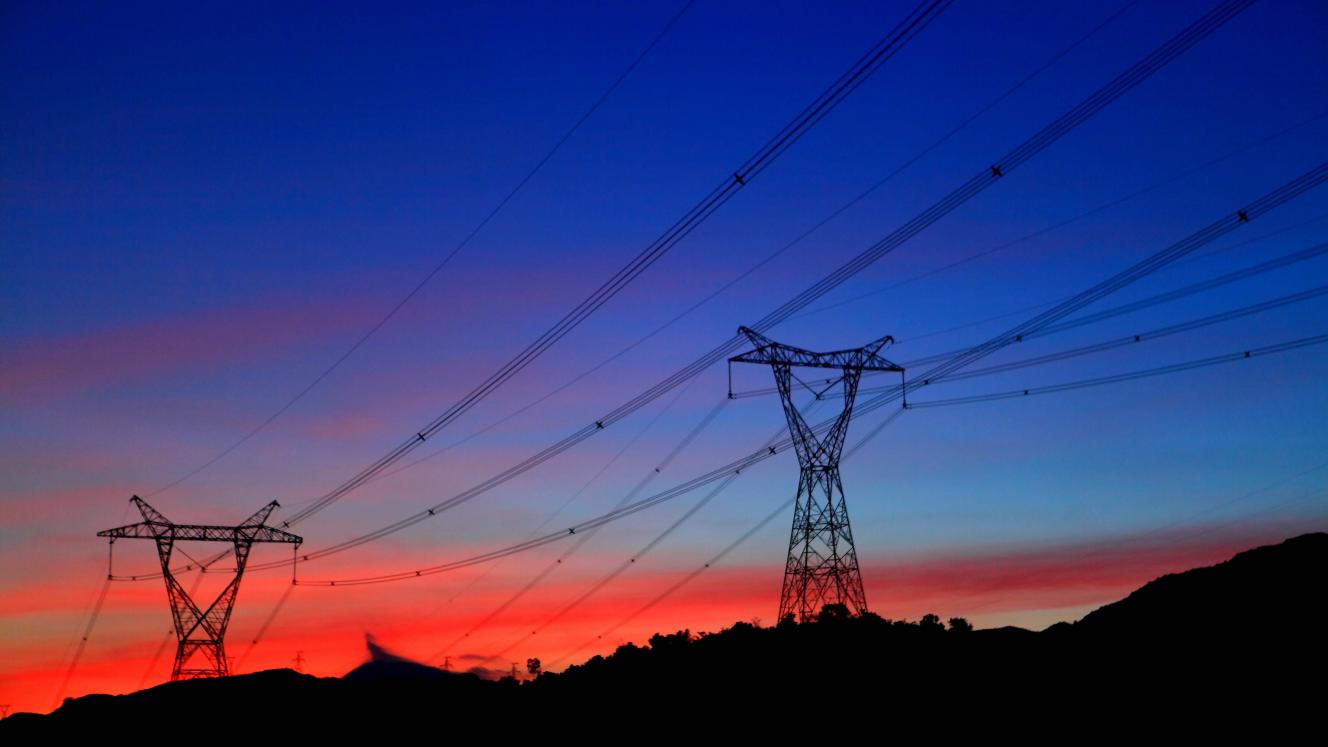
Congestion curtailment mechanisms introduced by the National Transmission Company South Africa may unlock additional wind capacity but transmission expansion and execution timelines remain decisive. The development of approximately 14 500 km of new high-voltage lines by 2034 represents a critical enabler for future generation growth with execution speed becoming as important as funding availability.
Innovation within a constrained market
As reform, constraint and innovation converge, renewable energy procurement models are expected to continue evolving. Limitations related to grid congestion and municipal participation rules are narrowing the addressable market for large-scale renewable solutions, driving innovation in portfolio structuring, wheeling arrangements and risk management.
In a market shaped by opportunity and constraint, strategic decision-making is increasingly influenced by the pace of reform implementation, the availability of grid capacity and the evolving economics of renewable technologies.