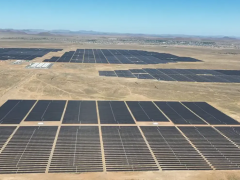
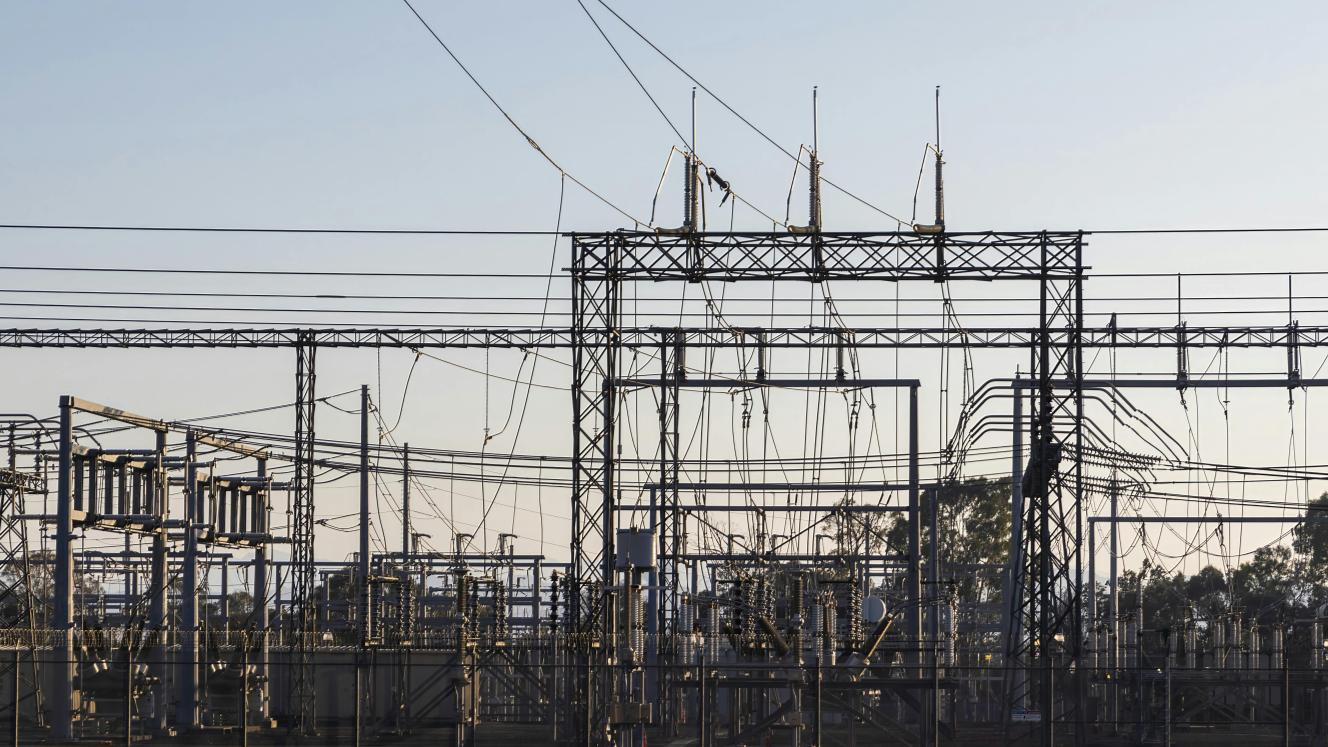
The National Transmission Company South Africa (NTCSA) has confirmed that the next instalment of South Africa’s Transmission Development Plan (TDP) will place stronger emphasis on grid-stabilising technologies to support increasing levels of renewable energy on the system.
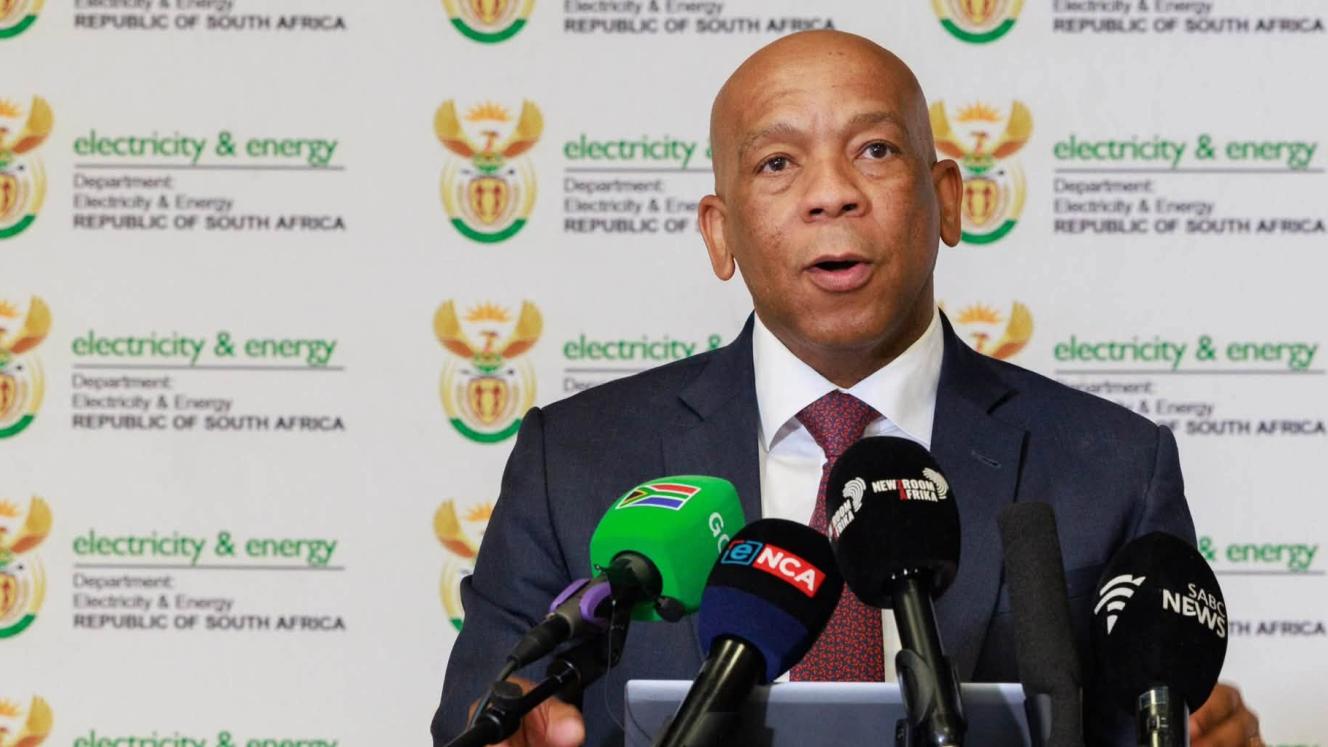
Briefing the Portfolio Committee on Electricity and Energy on February 5 during NTCSA’s TDP 2024 progress feedback presentation, NTCSA CEO Monde Bala said the upcoming TDP update will move beyond network expansion targets to prioritise system operability and grid strength as core planning requirements.
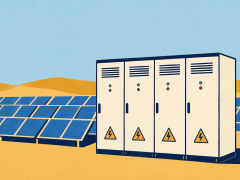
“In the next instalment of the TDP, we are going to be focusing on grid stability. Synchronous condensers and battery energy storage systems (BESS) are going to feature quite prominently,” Bala said.
The current TDP 2024 outlines a 2025-2034 programme to build approximately 14 500 km of new transmission lines and install around 210 transformers, adding about 133 000 MVA of transformation capacity. The expansion is intended to integrate roughly 56 GW of new generation capacity in line with the Integrated Resource Plan.
However, Bala indicated that expanding network capacity alone would not be sufficient in a system increasingly dominated by inverter-based renewable generation. As the grid transitions away from coal-based synchronous generation towards higher renewable penetration, system inertia and voltage stability are emerging as key technical challenges requiring dedicated interventions.
According to the NTCSA, the inclusion of mechanisms such as synchronous condensers, grid-forming inverters and BESS in the next TDP signals a planning shift with stability assets moving into core transmission planning rather than being deployed only as project-specific solutions.
Connection capacity, system strength, Grid Code compliance and accommodating rising renewable penetration were highlighted as central priorities for the forthcoming TDP update.