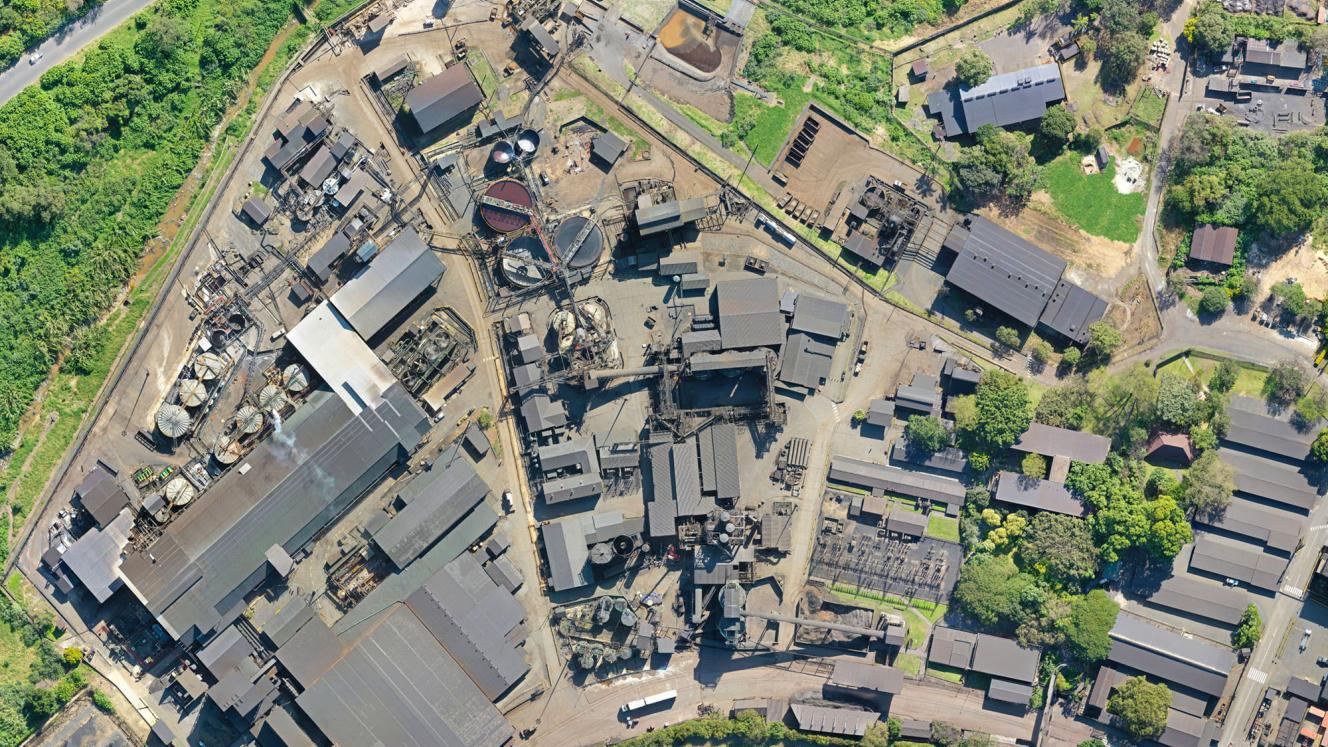
The National Energy Regulator of South Africa (NERSA) has approved a two-year negotiated pricing agreement between Eskom and Manganese Metal Company (MMC) for electricity supplied to the company’s production facility in Mbombela.
The agreement applies to MMC’s production of high-quality, selenium-free electrolytic manganese metal until July 2028, NERSA said.
According to the regulator, Eskom will charge MMC a special base tariff that will increase annually on April 1 by the producer price index plus one percentage point for the duration of the agreement.
The regulator said MMC will be liable for a minimum payment based on 80% of its normal electricity consumption, measured over each calendar quarter. The amount may be adjusted where the company substantiates that a significant event prevented it from operating at normal levels.
NERSA also stipulated that MMC and Eskom must share equally, on an annual basis, “any gross profits above projections (6%)”. According to the regulator, the amount shared will be limited to the value of the rebate provided against the Megaflex tariff.
Quarterly reporting required
NERSA requires Eskom to submit an initial report three months after the tariff takes effect and further reports every three months until the agreement ends.
The regulator said the reports will allow it to monitor the implementation, effectiveness and socio-economic effects of the special price.
Each report must compare MMC’s actual electricity consumption, costs and socio-economic benefits with the projections submitted in Eskom’s application. NERSA also requires Eskom to report on the status of power purchase agreements with renewable energy suppliers and other developments mentioned in the application.
Eskom submitted the application on May 28 under the Department of Electricity and Energy’s amended short-term framework for negotiated pricing agreements, read with the Electricity Pricing Policy.
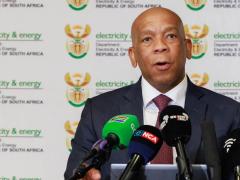
“This approval will help safeguard critical industrial capacity, preserve thousands of direct and indirect jobs, support local beneficiation and mitigate broader negative economic and social impacts on affected communities and the national economy,” said NERSA’s Full-Time Regulator Member, primarily responsible for electricity regulation, Willy Majola.
NERSA said detailed reasons for the decision will be published on its website in due course.