
NCP Chlorchem and Terra Firma have announced a 27 MWp multi-phase solar programme at NCP’s main production site in Kempton Park, marking one of South Africa’s largest behind-the-meter industrial renewable energy installations, the companies say. NCP is a major producer of chlorine and related chemicals used for national drinking-water treatment and the facility is designated a national key point.
The solar programme will supply a significant share of the site’s electricity demand. Several phases have already been completed with additional capacity coming online early in 2026 and full completion targeted by the end of the year.
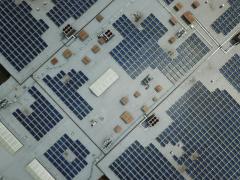
NCP’s manufacturing processes are energy-intensive and the company has prioritised long-term energy planning and emissions reduction as part of its operational strategy. Its solar initiative began in 2023 with a 1,1 MWp pilot installed under earlier regulatory size limits. A second phase of 10 MWp – using a mix of rooftop, carport and ground-mounted systems – is now in final commissioning. A further 17,5 MWp is under construction, bringing the total programme to 27 MWp.
“As a producer of essential chemicals used in water and sanitation, sustainability is central to how we operate,” says Schalk Venter, Managing Director of NCP. “Working with Terra Firma has allowed us to lower our carbon emissions and manage long-term energy costs more effectively. It’s a major step in building a more resilient and sustainable future for our operations.”
Grant Berndsen, CEO of Terra Firma, says large industrial users are increasingly adopting on-site renewable systems to meet cost and sustainability requirements. “Supporting a facility as vital as NCP’s, where uninterrupted operations are essential to public health, highlights the importance of getting these projects right. Integrating a 27 MWp solar system into a live chemical production site demands careful planning and collaboration with the highest possible safety standards and processes. The success of this programme shows how renewables can be delivered effectively within such a high-stakes environment. It sets a benchmark for secure, compliant industrial decarbonisation.”