South Africa’s electricity system is showing signs of improving operational stability as key generation units return to service and long-term nuclear planning continues to evolve, according to Department of Electricity and Energy officials.
Presenting the department’s third-quarter performance report for the 2025/26 financial year during a briefing to the Portfolio Committee on Electricity and Energy on March 11, the officials outlined progress in restoring baseload generation capacity while acknowledging delays in some policy initiatives linked to future nuclear development.
Deputy Director-General for Energy Resources Kubeshnie Bhugwandin said operational performance at Eskom has improved as part of the utility’s ongoing generation recovery efforts.
Unplanned outages have declined compared with the period of severe load shedding.
“We also see quite a huge reduction. They were recorded at 8 146 MW so really much better than the stages of load shedding at 14 000 MW and above,” Bhugwandin said.
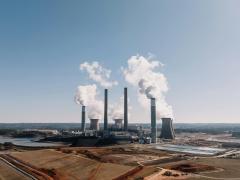
Bhugwandin noted that Unit 6 at Kusile Power Station has entered commercial operation, meaning all units at the station are operational. At Medupi Power Station, Unit 4 has also returned to service following earlier outages.
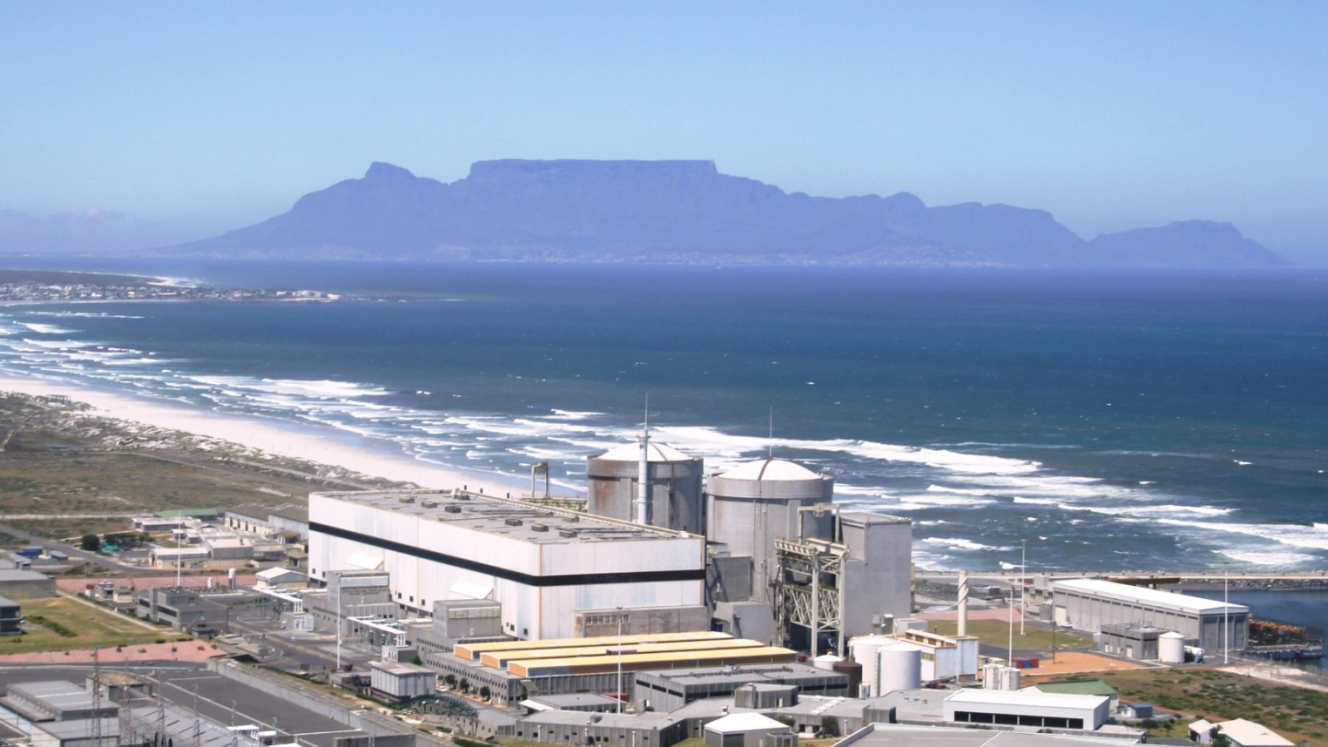
Progress has also been reported at Koeberg Nuclear Power Station. Bhugwandin said both units at the plant have received long-term operation licence extensions from the National Energy Regulator of South Africa.
“Koeberg Unit 1 will run until 2044 and Unit 2 until 2045,” she said.
The department also indicated that longer-term nuclear planning remains under review. Interim Director-General Subesh Pillay told the committee that the updated Integrated Resource Plan currently provides for 5 200 MW of nuclear capacity.
Broader policy discussions among members of Parliament during the briefing referenced the possibility of expanding nuclear deployment to as much as 10 GW, including potential industrial and medical applications.
Pillay said a planned socio-economic cost-benefit analysis of this expanded programme has been delayed while the department revises the scope of the study.
During the briefing, department officials also highlighted funding pressures across several energy sector entities, warning that budget reductions by National Treasury are constraining maintenance, infrastructure upgrades and project implementation.
Officials said the department continues to engage with National Treasury on the potential impact of the reductions on energy sector institutions and service delivery priorities.