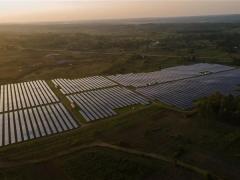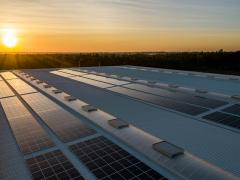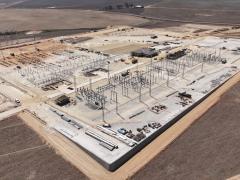
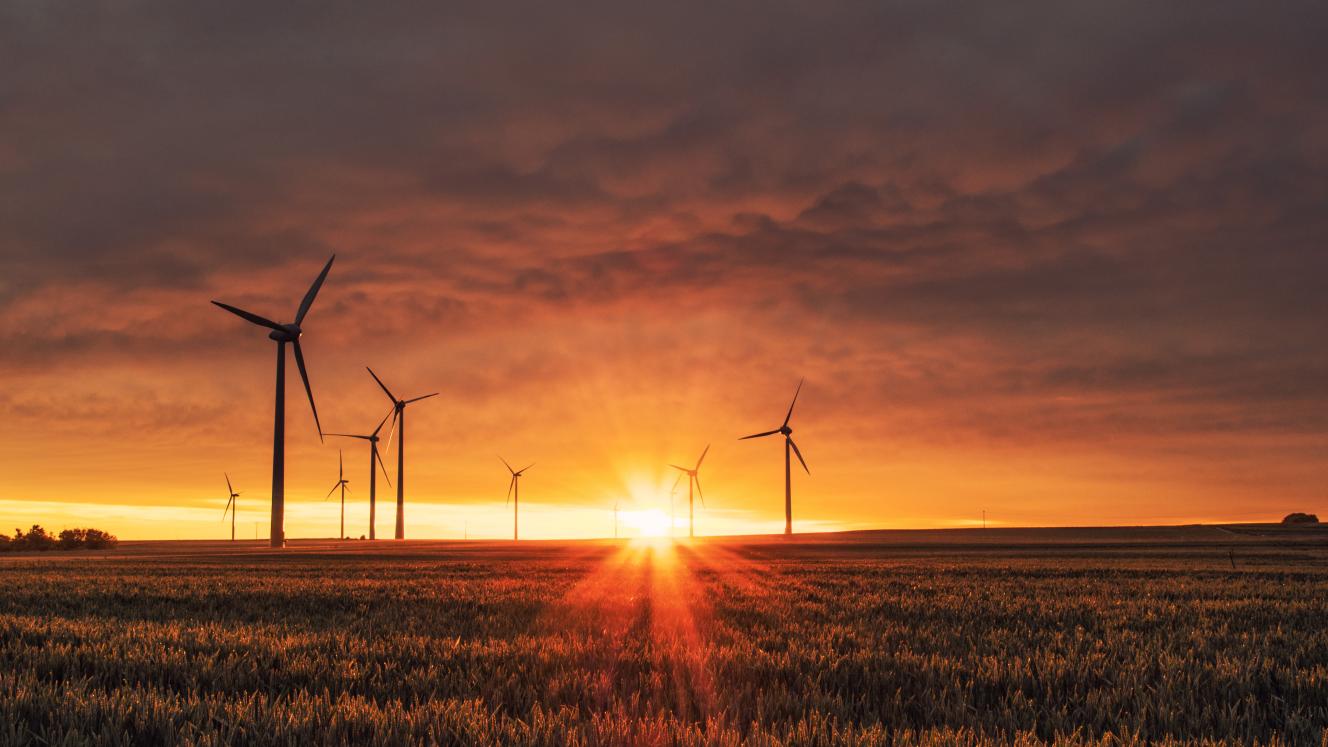
South Africa’s wind and solar build-out is accelerating but the assets that quietly convert renewable energy into dispatched, grid-compliant power can still fail for familiar, preventable reasons. Step-up transformers, medium-voltage switchgear and high-power inverters remain vulnerable to heat, contamination, moisture ingress, insulation ageing and poor electrical connections.
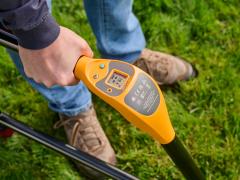
WearCheck, a leading condition monitoring specialist, supports renewable operators with a practical reliability toolkit that includes transformer oil analysis, including dissolved gas analysis (DGA), thermography and broader asset reliability services. The goal is to identify early warning signs, intervene timeously and maintain availability without expanding headcount.
WearCheck’s Technical Manager Steven Lumley explains why these failure risks can be amplified in renewable environments. “Renewable plants operate in ways that can accelerate wear. Output variability results in cyclic loading and frequent thermal swings – cloud transients and wind changes create hot-cold cycles that stress connections and insulation systems. Environmental exposure is also a constant. Coastal plants contend with salt-laden air and corrosion risk while inland sites face dust and wide diurnal temperature ranges. Add lean, geographically dispersed maintenance teams and reliability must be engineered through prevention rather than reactive maintenance.”
Typically, problems progress predictably – a loose termination becomes a hotspot, moisture ingress reduces dielectric strength and erodes insulation margins and a contaminated filter restricts cooling, triggering derates or nuisance trips, adds Lumley. “Each failure mode is manageable but only if detected early enough. A regular condition monitoring programme remains one of the most effective tools to prevent component failure.”
WearCheck’s Transformer Division Manager Gert Nel says routine oil condition monitoring remains a fast and cost-effective indicator of asset health for grid supply unit and collection-level transformers. “Trending breakdown voltage and moisture supports insulation integrity, particularly as temperatures rise and loading increases. Monitoring acidity and oxidation indicators assists transformer life management by prompting action before sludge formation affects cooling. DGA provides early warning of developing electrical and thermal faults – including partial discharge, overheating or arcing – often before protection systems respond.”
WearCheck turns 50 this year, continuing its focus on keeping critical power infrastructure operational through proactive fault detection. For further information, visit www.wearcheck.co.za, call head office on +27 31 700 5460 or email marketing@wearcheck.co.za.