Employment across the global energy sector continued to expand in 2024, reaching approximately 76 million jobs, according to the World Energy Employment 2025 report published by the International Energy Agency (IEA). This represents an increase of more than five million jobs since 2019 with growth driven primarily by the electricity sector.
The IEA finds that electricity has overtaken fuel supply to become the largest source of employment growth across the global energy system. Jobs linked to power generation, transmission, distribution and storage now account for a greater share of global energy employment growth than oil, gas or coal supply.
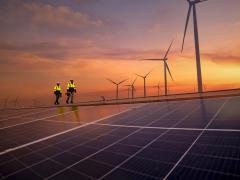
Renewable energy technologies underpin much of this increase. Solar photovoltaic is identified as the single largest contributor to power sector job growth globally, accounting for roughly half of all new electricity jobs added since 2019. Wind power, grid expansion and electricity storage have also contributed to rising labour demand alongside continued employment in fossil fuel-based electricity generation.
The report highlights the shift in employment growth as energy systems become more complex and digitalised. Beyond construction, demand is increasing for jobs linked to operations, maintenance, system integration and digital management of electricity assets. The IEA notes rising requirements for applied technical roles across electricity systems including electricians, electrical engineers, powerline workers, grid technicians, welders and specialists in digital system operation.
According to the IEA, labour and skills shortages are emerging as a material constraint in a growing number of countries. The report identifies difficulties in recruiting qualified technical workers as a potential risk to electricity system expansion and modernisation efforts, particularly where grid infrastructure and variable renewable generation are being deployed at scale.
Digitalisation is also reshaping energy employment profiles. The report notes increased demand for skills related to automation, data analytics, system optimisation and cybersecurity as electricity networks rely more heavily on networked control systems, remote monitoring and real-time data flows.
Regionally, the IEA finds that employment growth in the energy sector is strongest in emerging market and developing economies where rising energy demand and infrastructure investment are expanding labour requirements. However, the report cautions that these regions often face constraints linked to education systems, vocational training capacity and workforce mobility.