Government’s newly announced electricity tariff framework for the ferrochrome sector signals a phased approach to electricity pricing with indications that engagements with other energy-intensive industries could follow.
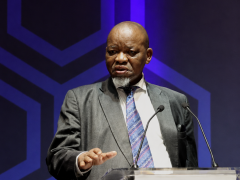
At a media briefing on February 27, Minister of Electricity and Energy Kgosientsho Ramokgopa confirmed that government is working towards a tariff of approximately 62c/kWh for qualifying ferrochrome smelters as part of an intervention aimed at stabilising the sector and preventing further job losses.
The Minister emphasised that the 62c/kWh level is not a blanket tariff. “62 cents are not there for everyone. This is the bottom line; that’s 62,” he said.
Ramokgopa described the intervention as phased. “Electricity and tariff intervention must be the first move,” he said, adding that other measures, including trade-related instruments, would be addressed thereafter.
He said the ferrochrome sector has faced sustained pressure in recent years with electricity costs cited as a key contributor to furnace closures and declining competitiveness. Government has positioned the tariff framework as part of efforts to restore production capacity and support beneficiation objectives within South Africa’s minerals strategy.
Eskom’s Group Chief Executive Dan Marokane said the agreement could inform a broader approach within the utility. “The 62c/kWh structure is only the beginning of the multiple interventions that need to be carefully weighed against the sustainability of the business going forward,” he said.
The process has assisted Eskom in shaping what Marokane described as a “smelter industry standard offer” aimed at supporting energy-intensive industries during periods of economic strain.
Ramokgopa indicated that engagements with other mineral subsectors would differ depending on value-chain positioning and economic impact. “There are key players in vanadium or manganese. Some are at various stages of the value chain so the conversations are different,” he said.
While subject to regulatory processes, the framework represents a targeted tariff intervention linked specifically to the ferrochrome sector. Further detail on implementation mechanisms and regulatory treatment will determine whether similar structures are extended to other industries.