Europe’s power sector reached a turning point in 2025 with record solar generation cutting fossil-fuel use and emissions. However, new data from industry body Eurelectric shows persistent price volatility and weak electricity demand are emerging as key constraints, underscoring the need to accelerate electrification and system flexibility.
According to Eurelectric, power sector emissions fell to about 45% of 1990 levels in 2025, reflecting long-term decarbonisation progress. However, momentum towards the EU’s 50% renewables target slowed, highlighting ongoing challenges in balancing rapid clean energy growth with market stability.
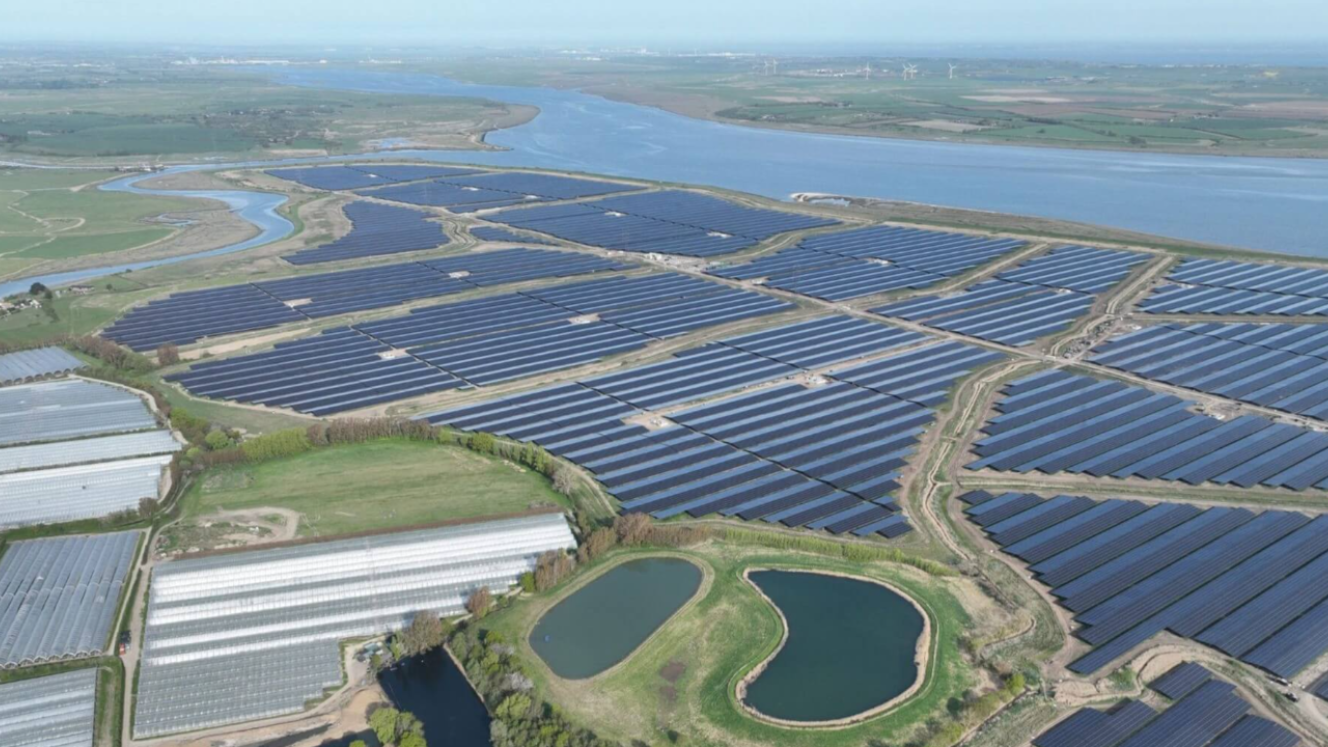
Solar generation exceeded 340 TWh during the year, reaching a record 12,5% share of the EU electricity mix. Output increased by more than 60 TWh year on year, offsetting weaker hydro generation (-13%) and wind output (-4%). Nuclear generation remained stable at around 24% while strong solar output surpassed fossil-fuel generation.
Eurelectric data also shows that wholesale day-ahead power prices averaged €88/MWh (R1 693,78/MWh) in 2025. Price volatility persisted with negative prices recorded in 3,3% of hours and price spikes above €150/MWh (R2 887,12/MWh) occurring in 9,3% of hours.
“Renewables are reducing Europe’s exposure to fossil fuel prices but weak electricity demand risks slowing investments,” said Kristian Ruby, Secretary General of Eurelectric. “Stimulating demand is key to stabilising markets, supporting industry and keeping decarbonisation on track.”
By comparison, the Africa Solar Outlook 2026, published by the African Solar Industry Association, shows that, while Africa remains small in absolute terms, it is among the fastest-growing solar regions globally. The outlook estimates that the continent had 23,4 GWp of operational solar capacity by the end of 2025 with solar plus storage increasingly shaping procurement frameworks.
South Africa, in particular, emerged as a leading market with solar generation and battery storage identified as playing a growing role in meeting peak demand and improving system flexibility.