Eswatini is stepping up efforts to reduce its reliance on imported electricity and improve energy security, according to the Eswatini Energy Regulatory Authority (ESERA). The country’s latest national energy plan prioritises utility-scale solar, biomass and coal-based generation as part of a broader strategy to stabilise supply and strengthen energy independence.
These developments follow discussions in November last year between South Africa’s Minister of Electricity and Energy, Kgosientsho Ramokgopa, and Eswatini’s Minister of Natural Resources and Energy, Prince Lonkhokhela. The talks focused on negotiating a new 10-year power purchase agreement (PPA) between the National Transmission Company South Africa and the Eswatini Electricity Company, highlighting the continued importance of regional power trade.
Historically, Eswatini has relied heavily on electricity imports from Eskom. According to ESERA, negotiations around a renewed PPA last year reinforced the country’s focus on strengthening domestic generation capacity and pursuing greater energy independence.
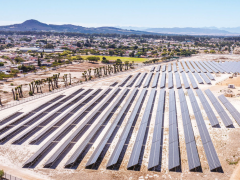
A key project highlighted by ESERA is the Tsamela Solar Project, Eswatini’s first large utility-scale solar power plant. Developed by Enel Green Power, the 75 MW facility is expected to supply around 10% of the country’s annual electricity demand, significantly reducing dependence on imported power.
Eswatini’s Annual Budget Performance Report for the 2024/25 financial year, presented by Lonkhokhela, reiterates the government’s commitment to investing in biomass generation. The report references the launch of a bid for 80 MW of biomass capacity, noting that biomass offers a reliable source of electricity due to year-round availability of feedstock such as woodchips and sugar cane waste while helping to balance the intermittency associated with solar power.
The report also includes a written commitment by the Ministry of Natural Resources and Energy to proceed with construction of the 300 MW coal-fired Lubhuku Power Station. The project aims to utilise local coal resources to provide stable baseload power and is expected to create up to 1 000 jobs.
Together, these initiatives reflect Eswatini’s push to diversify its energy mix, expand domestic generation capacity and strengthen long-term energy resilience, ESERA said.