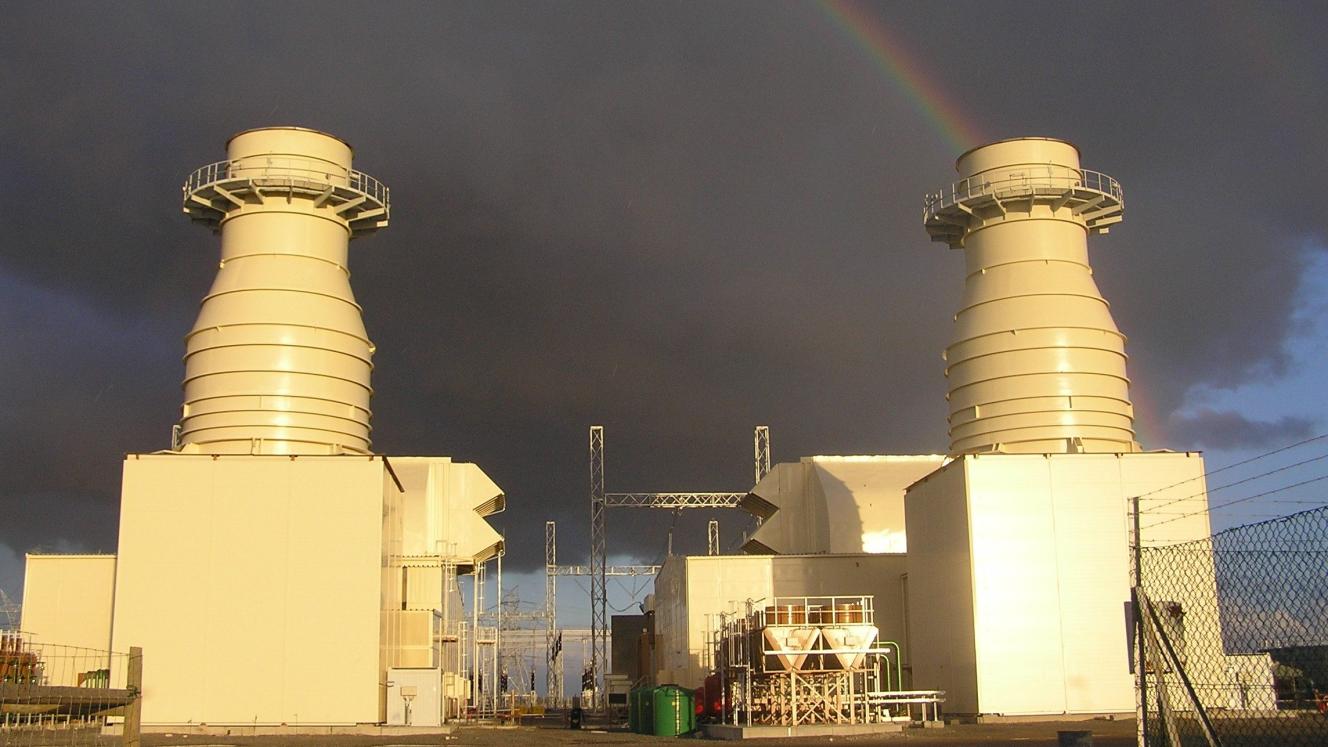
Eskom reduced electricity production from its diesel-fired open-cycle gas turbines (OCGTs) by almost 88% between April 1 and July 9 compared with the same period last year.
The reduction coincided with higher generation availability and lower unplanned capacity losses, according to the utility’s latest figures.
Eskom generated 101.4 GWh from its OCGTs during the period compared with about 824 GWh during the corresponding period last year.
The financial year-to-date OCGT load factor fell from 11% to about 1.3%, which is below Eskom’s annual target of 3%.
“Diesel was deployed selectively during peak demand periods and to maintain required reserves in line with the South African Grid Code,” Eskom says.
Diesel expenditure fell by about 85% from R5.25 billion to R797 million. Eskom says this reflects “stronger generation performance and significantly lower reliance on diesel-fired generation”.
The energy availability factor reached 65% for the financial year to July 9 compared with 59% over the same period last year.
The financial year-to-date unplanned capacity loss factor declined to 22%, which is seven percentage points below the corresponding period last year.
The improved performance occurred while Eskom was conducting more planned maintenance. Average planned outages reached 6 070 MW, or 13% of generation capacity, compared with 5 302 MW, or 11%, during the equivalent period last year.
Latest weekly performance
Average unplanned outages fell to 8 396 MW between July 3-9 compared with 13 619 MW during the equivalent week last year – a reduction of 5 223 MW.
The weekly unplanned capacity loss factor declined from 29% to 17%.
The planned capacity loss factor averaged 9% during the week compared with 10% during the corresponding period last year.
Eskom also reported 3 530 MW in cold reserve because of excess capacity. Cold-reserve units are not operating but can be returned to service when required, subject to their start-up times.
The utility says the additional capacity provides further assurance that the system can meet winter demand.