Across Africa’s power and water sectors, engineers are making technical decisions in systems under sustained strain. Grid instability, renewable integration, ageing infrastructure, rising demand and tighter performance expectations are no longer occasional challenges – they form the daily operating context across generation, transmission, distribution and water networks. Technical teams are expected to maintain reliability while introducing new technologies, managing variability and extending assets often operating beyond their original design life.
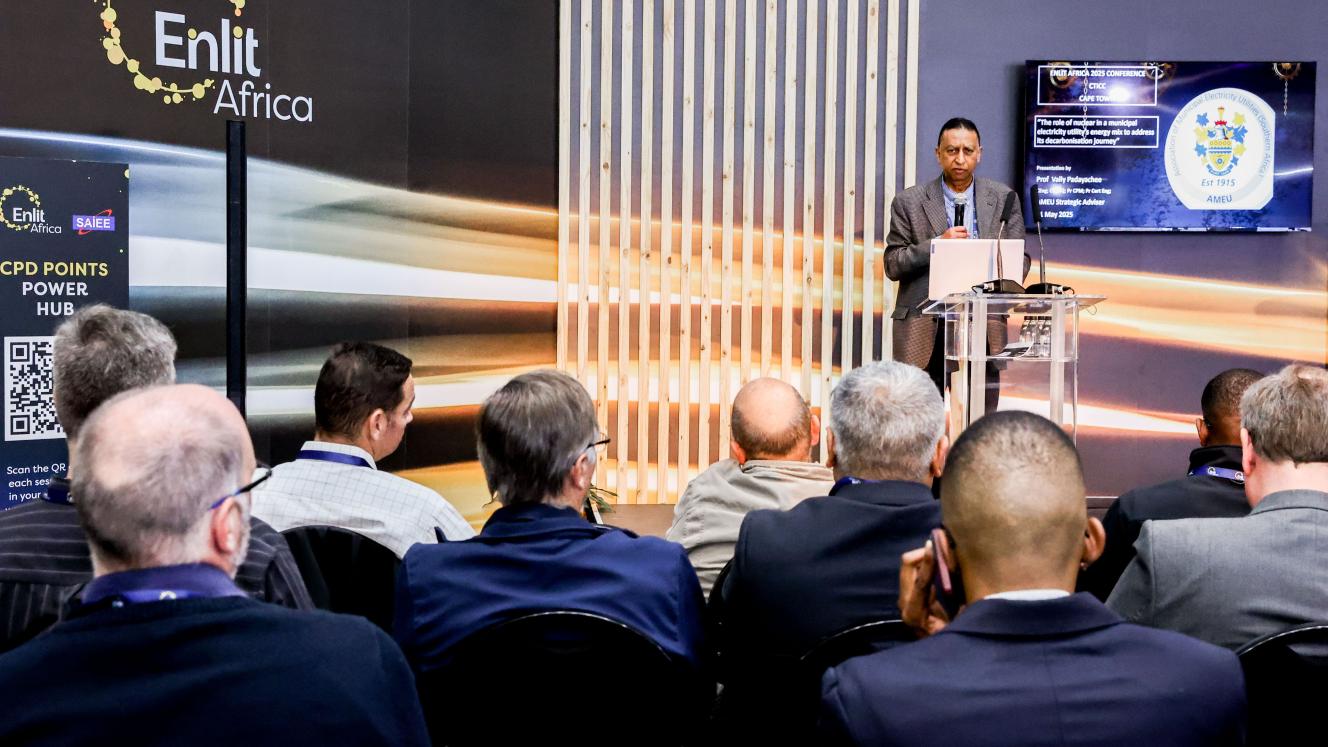
The Enlit Africa 2026 technical programme is positioned for engineers and technical managers working within this reality. Designed to support practical decision-making rather than abstract debate, the programme is free to attend and delivered through technical hub sessions, hands-on learning opportunities and technical site visits. It focuses on system performance in practice across power systems, renewable energy, storage and water infrastructure, supported by real-world case studies and applied technical insight. All technical sessions are continuing professional development (CPD)-accredited so engineers can earn credits while strengthening capability and maintaining compliance.
A major theme is grid performance where operational pressure continues to intensify. Engineers are addressing last-mile delivery constraints, ageing distribution infrastructure and increasingly variable demand, which all place reliability under strain. Power Hub technical sessions will focus on operational challenges technical teams are actively solving including distribution monitoring and metering, last-mile delivery, real-time analytics and predictive maintenance. The emphasis is on practical improvements in reliability and operational performance for teams responsible for monitoring, maintenance strategies and system optimisation in 2026.
Artificial intelligence (AI) is framed as an implementation challenge rather than a future concept. The discussion has shifted from whether AI will matter to how it can be deployed under real operating conditions. Sessions explore practical AI applications, real-time analytics and predictive maintenance alongside the balance engineers must manage between extracting value from analytics and avoiding unnecessary operational complexity.
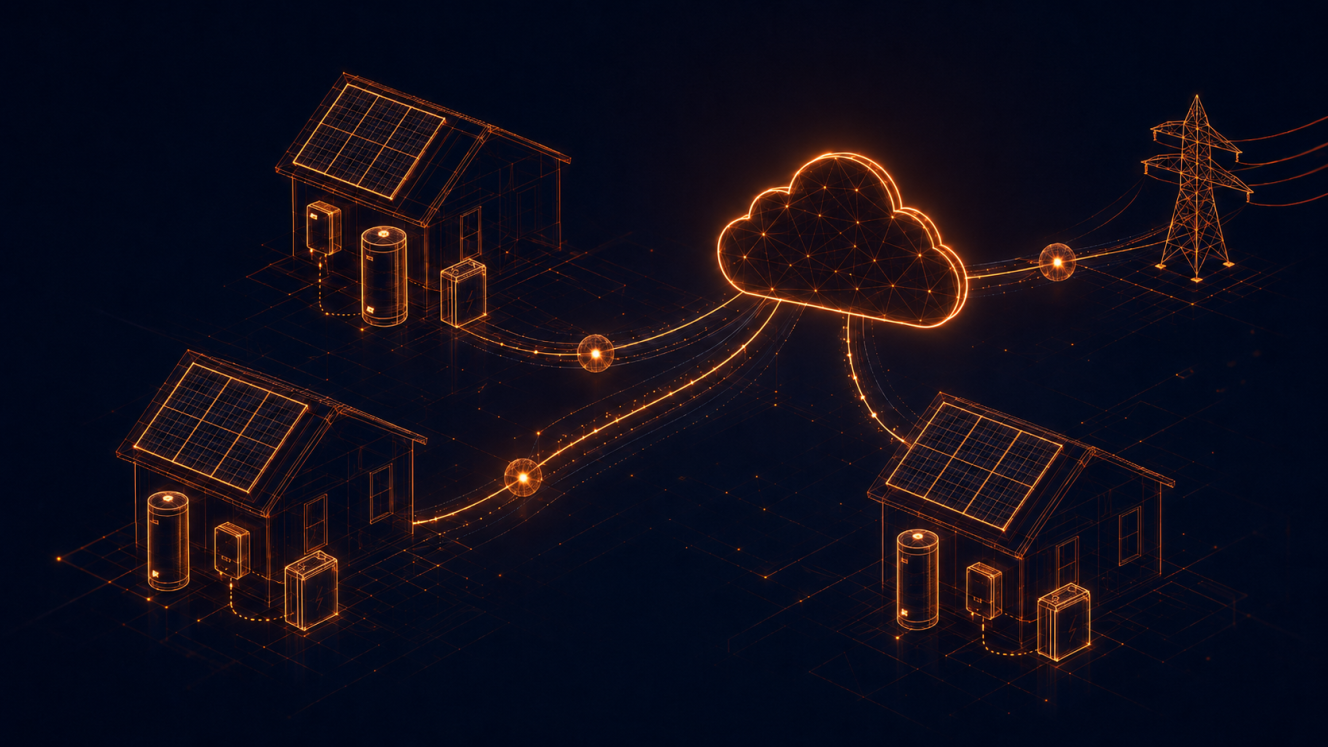
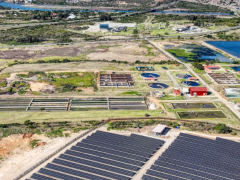
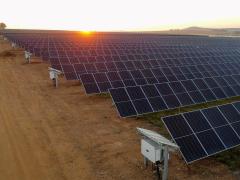
Renewable integration is another central focus, reflecting the shift from planning to execution and the technical complexity that accompanies scaling variable generation. Engineers must maintain reliability, security and performance in systems not originally designed for high levels of variability. The Renewable Energy and Storage Hub will address modelling integration on national grids, hybrid generation and storage, minigrids and resilience as well as energy storage deployment. It will also highlight the role of technical due diligence in long-term performance and risk management with sessions covering solar photovoltaics sizing, battery management systems, project due diligence, grid access and energy security.
Engineers and technical managers are invited to download the technical programme, plan their participation and engage in sessions focused on applied insight and real operating conditions.
Download the technical programme here: https://wearevuka.com/energy/enlit-africa/visitors/