
South Africa’s growing reliance on imported refined fuels is strengthening the case for domestic bioethanol production, according to findings presented at the Localisation Support Fund’s recent sorghum-to-bioethanol roundtable.
Presenting findings from the South African sorghum price forecasting and bioethanol market study, Blueprint Holdings CEO Josie Rowe-Setz said the country’s fuel security position has weakened significantly over the past decade as domestic refining capacity declined.
“South Africa’s fuel economy was really built on imported energy because we don’t have our own crude,” Rowe-Setz said.
South Africa has historically imported crude oil for local refining but refinery closures and declining processing capacity has increased dependence on imported refined fuel products, she added. “Basically, every litre of petrol and diesel we import now exposes us, as a country and as people, to global volatility.”
According to the study, this growing exposure increases South Africa’s vulnerability to global oil price shocks, exchange rate volatility, shipping disruptions and geopolitical instability.
The report positions domestic bioethanol production as part of a broader fuel security and localisation strategy. Despite nearly two decades of policy development, South Africa currently has no commercial-scale bioethanol production capacity.
The August 2025 gazetting of the national ethanol pricing framework removed the final regulatory barrier to establishing a domestic bioethanol market and created a basis for blending mandates and investment decisions.
According to the report, a 2% ethanol blend will require about 180 million litres of bioethanol a year, implying capital investment of between R3 billion and R5 billion for first-generation production plants. The analysis identifies sorghum as a viable feedstock option, particularly for semi-arid regions, citing its climate resilience and suitability for marginal land.
Approximately 29 million hectares of land have been identified as potentially suitable for sorghum cultivation across key provinces. However, the study found that none of the six feedstock and technology configurations modelled would deliver sustainable positive margins under current market conditions without targeted policy support. It identifies blended finance, viability gap funding, credit guarantees and long-term offtake agreements as critical instruments to unlock private-sector investment.
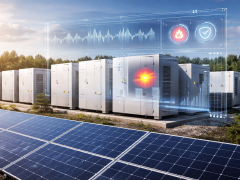
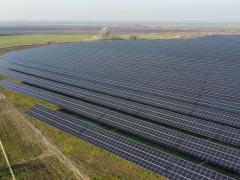
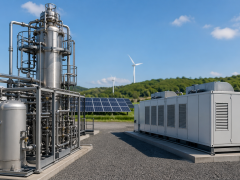
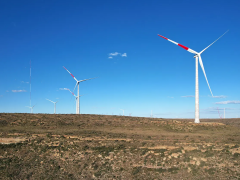
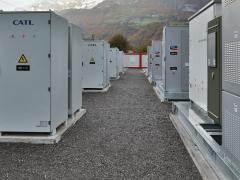
The report also highlights the energy-system design of future bioethanol plants. Integrated energy configurations assessed in the study include solar photovoltaics, battery energy storage systems, biomass combustion, combined heat and power systems and anaerobic digestion technologies.
Around 55% of the economic value generated through domestic bioethanol production could remain within South Africa through localisation across the value chain, the report shows. While the technology pathway is globally established, Rowe-Setz said investment certainty remains the decisive factor.