Cape Town’s electricity system is under pressure to adapt to a changing customer base, new supply arrangements and declining sales revenues.
This is according to the Cape Town State of Energy and Carbon 2025 report, which reviews energy and greenhouse gas (GHG) emissions trends between 2014 and 2023 and assesses progress against the city’s 2050 Energy Strategy adopted in 2023.
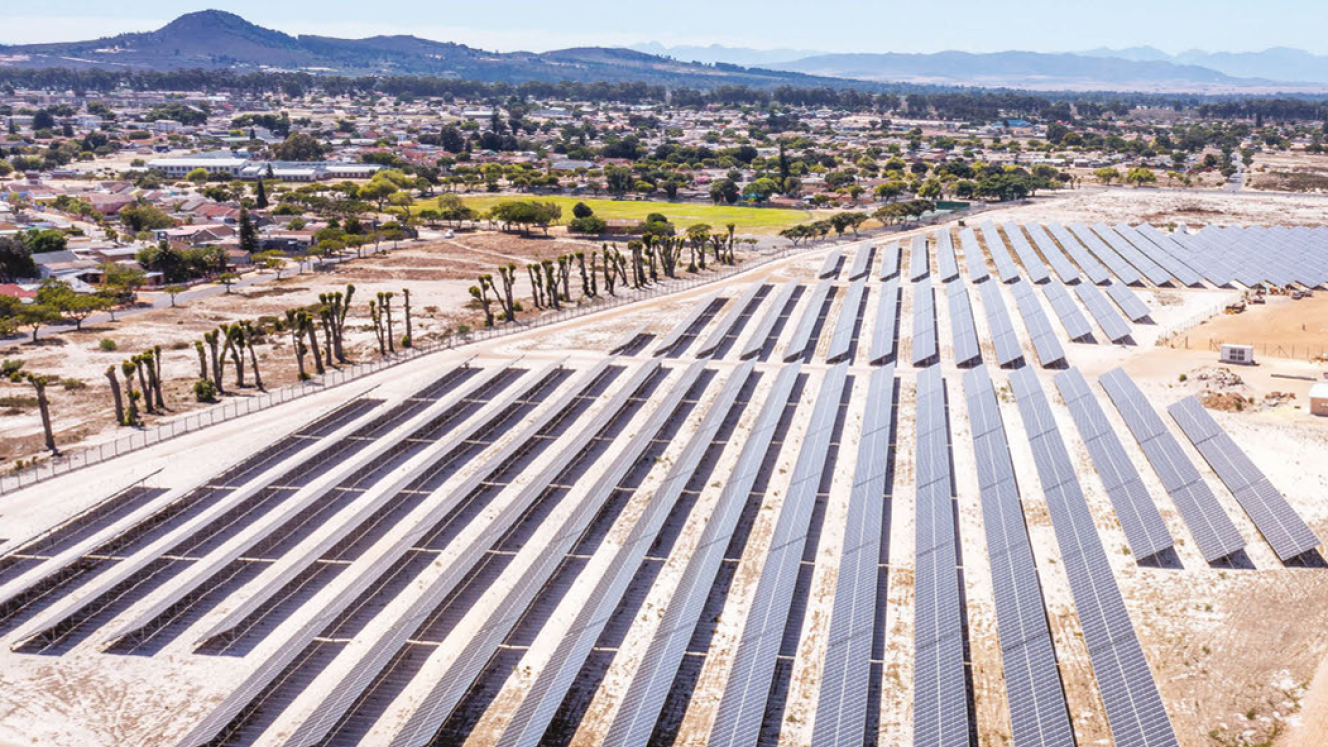
“The data illustrate how declining electricity sales, efficiency gains and SSEG uptake are reshaping a capital-intensive wires business and complicated cross-subsidy models. This combines with the need to adapt to new customers and new services such as wheeling, diversified supply options and an imminent wholesale market for electricity,” the city says.
The report records a decline in per-capita demand for all forms of energy despite continued urbanisation. The city attributes this partly to technological and structural economic changes as well as suppressed demand in a low-growth national economy and rising Eskom prices.
The city says the reduction in energy demand, together with progressively lower-carbon electricity supply, has contributed to lower GHG emissions in line with Cape Town’s voluntary decarbonisation commitment. However, the report notes that emissions reduction targets will become more demanding after 2030.
Load shedding “drove up the fuel buffering practices across customer bases from businesses to households”, according to the city.