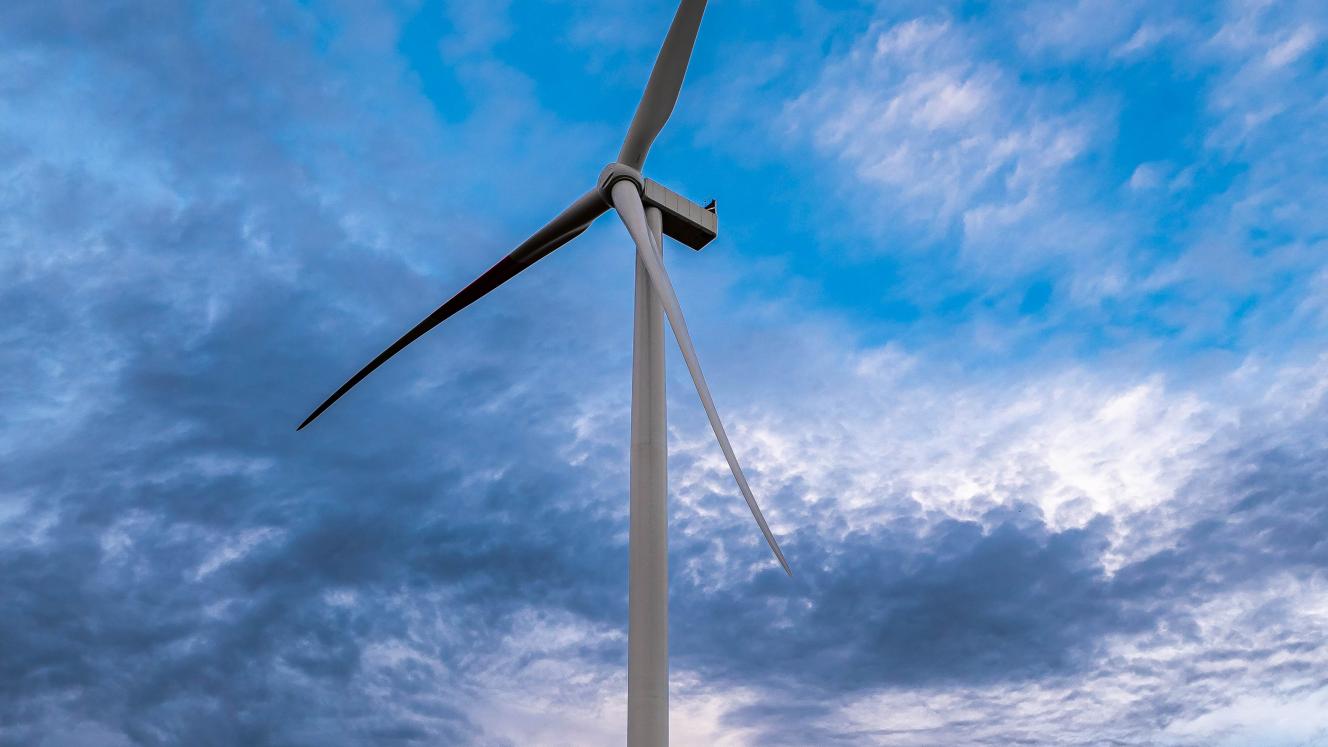
Envusa Energy has announced that its 140 MW Umsobomvu wind farm in the Eastern Cape has reached commercial operation date (COD), making it the second project in the Koruson 2 cluster to come online.
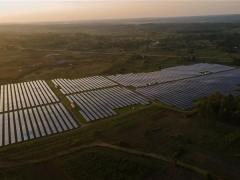
The project follows closely behind the 240 MW Mooi Plaats solar photovoltaic facility, which achieved its COD in March, bringing a combined 380 MW of the 520 MW Koruson 2 cluster into full commercial operation. The third project, the 140 MW Hartebeesthoek wind farm, remains on track to reach COD in June.
All three projects are connected to the Koruson 400 kV main transmission substation, which was developed as part of EDF Power Solutions’ Koruson 1 cluster and is designed to integrate up to 1,5 GW of renewable energy into the national grid.
The Koruson 2 cluster is part of Envusa Energy’s model to supply renewable electricity to energy-intensive industrial users. The projects will displace coal-fired grid power across operations linked to Valterra, Kumba Iron Ore and De Beers. Once fully operational, the cluster is expected to abate approximately 2,2 million tonnes of carbon dioxide annually.
Envusa confirmed that, with Mooi Plaats and Umsobomvu now operational, its wheeling framework is active across the two projects, supplying power to more than 10 mine sites.
The Koruson 2 projects include a 20% equity stake held by Pele Green Energy and incorporate a community trust to ensure local participation in project revenues over a 20-year operating period. Construction generated direct and indirect employment in the Eastern Cape and Northern Cape with R20 million committed to socio-economic development in surrounding communities.
Envusa Energy, a joint venture between Anglo American and EDF Power Solutions, is being positioned as an energy trader and aggregator supplying industrial customers. The company is also advancing a broader development pipeline targeting between 3 GW and 5 GW of wind, solar and battery storage projects across Southern Africa by 2030.
With two of the three Koruson 2 projects now operational, the cluster’s final completion in mid-2026 is expected to bring the full 520 MW into commercial service.