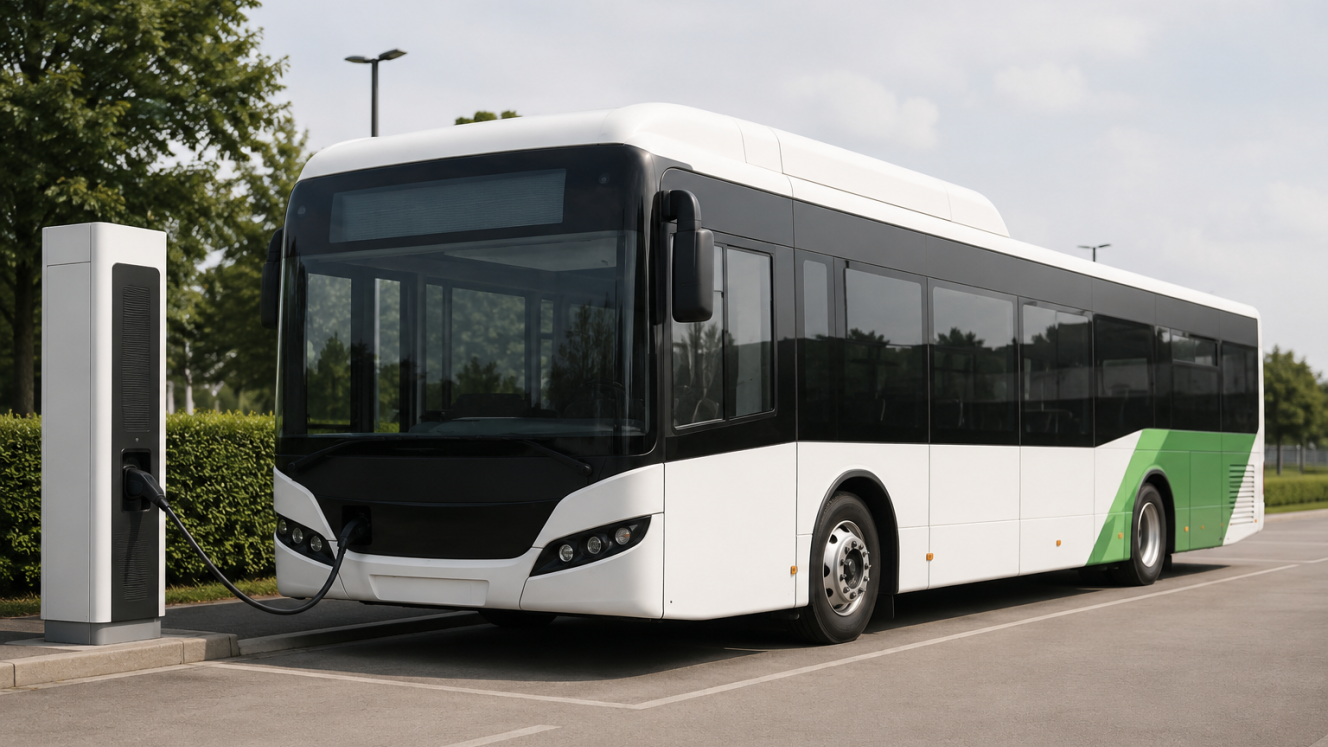
The planned rollout of 39 electric buses in Tshwane and eThekwini has yet to move to the pilot phase, which was expected to begin by the end of 2025. The project’s timeline now hinges on completing key preparatory steps.
Speaking during a recent question-and-answer session with Parliament’s Portfolio Committee on Electricity and Energy on the South African National Energy Development Institute (SANEDI) annual performance plan, Acting CEO Prathaban Moodley said SANEDI is continuing preparatory work on conceptual and policy matters linked to the project.
“We are currently focused on understanding the technology, quantifying its benefits, complementing that with policy decision-making around local component manufacturing and assembly and evaluating the broader electric bus value chain to determine which components could potentially be produced and assembled locally.”
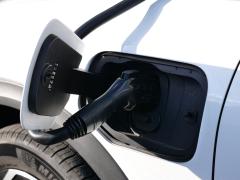
The project is part of SANEDI’s broader efforts to introduce electric buses and charging infrastructure into metropolitan transport systems. The initiative is funded through the Global Environment Facility and managed by the Development Bank of Southern Africa with SANEDI acting as implementing agent. The project will see the procurement of 39 electric buses: 20 for Tshwane and 19 for eThekwini.
Moodley noted that international experience has demonstrated that electric buses could significantly reduce road transport-related emissions.
Alongside the planned municipal pilot, SANEDI and partners have already converted an internal combustion engine bus and a minibus taxi into electric vehicles as part of SANEDI’s wider electric mobility work.
“It worked very well. We have gone through the transport regulations to homologate both vehicles. Both have passed all safety inspections by licensing authorities who have confirmed they are fit and roadworthy,” Moodley said.
He said the retrofit projects show that internal combustion engines could be converted to electric drivetrains. However, the range remains limited owing to the original vehicle design, resulting in more frequent charging requirements. This is suitable for high-frequency, short-distance routes, as demonstrated in trials conducted with Stellenbosch University, he added.
Moodley said battery-electric vehicle technologies have advanced significantly in recent years and are increasingly becoming commercially viable alternatives to conventional internal combustion engine vehicles.
“These vehicles now last longer, have better range and show strong environmental performance. They are also cost-competitive with traditional internal combustion engine vehicles,” he said.
Operators transitioning to electric mobility are likely to achieve stronger performance and improved economic returns by investing in purpose-built electric buses or minibus taxis rather than retrofitting existing vehicles, Moodley added.