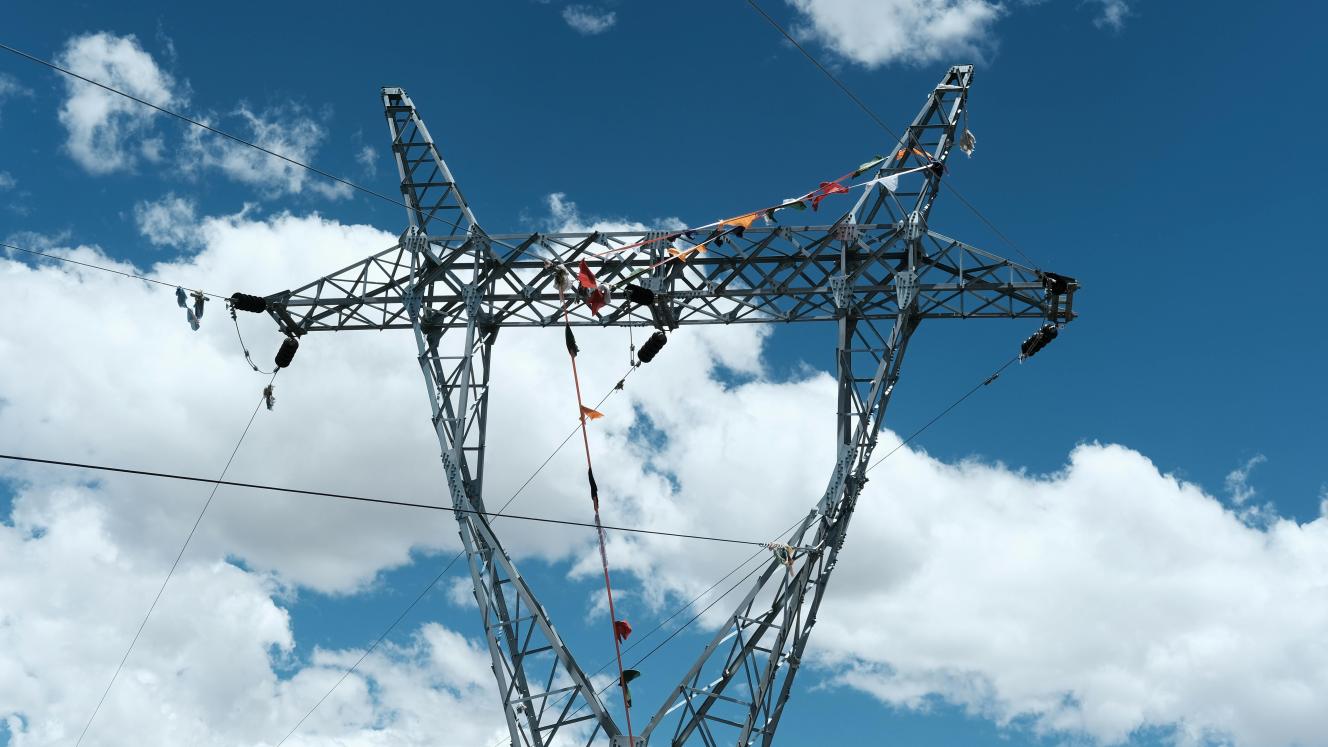
Global electricity demand is set to grow strongly through to 2030, underscoring the urgency of increased investment in power grids and system flexibility, according to the International Energy Agency (IEA).
In its Electricity 2026 report, the agency forecasts that global electricity demand will rise by an average of about 3,6% a year to 2030 – around 50% faster than the average growth rate of the previous decade and at least 2,5 times faster than overall energy demand.
The IEA attributes this acceleration to rising electricity use across industry, transport and buildings alongside the rapid expansion of data centres, artificial intelligence and space cooling. Emerging and developing economies are expected to account for nearly 80% of global demand growth while electricity consumption in advanced economies is rebounding after more than a decade of stagnation.
“At a moment of significant uncertainty across energy markets, one certainty is that global electricity demand is growing much more strongly than it did over the past decade,” said Keisuke Sadamori, IEA Director of Energy Markets and Security.
On the supply side, the report finds that renewable energy and nuclear power are expected to meet all additional global electricity demand through 2030. By the end of the decade, renewables and nuclear together are projected to supply around half of global electricity generation, resulting in electricity-sector CO₂ emissions levelling off despite rising demand.
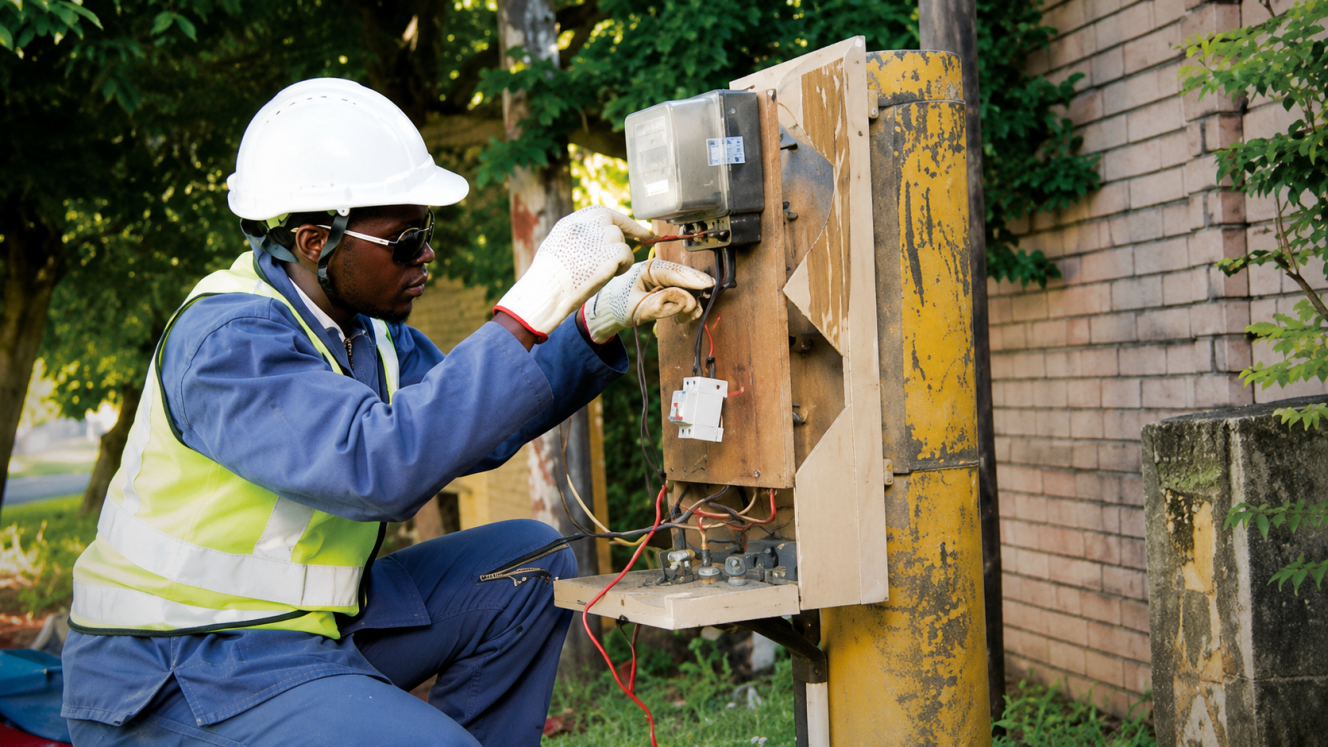
However, the IEA warns that grid development is not keeping pace with these structural shifts in demand and generation. The agency estimates that more than 2 500 GW of projects including renewables, energy storage and large electricity consumers such as data centres are currently delayed in grid connection queues worldwide.
Annual investment in electricity grids, currently estimated at around US$400 billion, would need to increase by about 50% by 2030 to meet projected demand growth.
“Meeting this demand will require annual investment in grids to rise by 50% by 2030. Expanding flexibility will also be crucial as power networks continue to evolve,” Sadamori said.
The report highlights grid expansion, flexibility and resilience as emerging constraints – and enablers – of the global electricity transition, signalling that transmission capacity and system responsiveness are becoming as critical as new generation capacity in meeting future electricity demand.