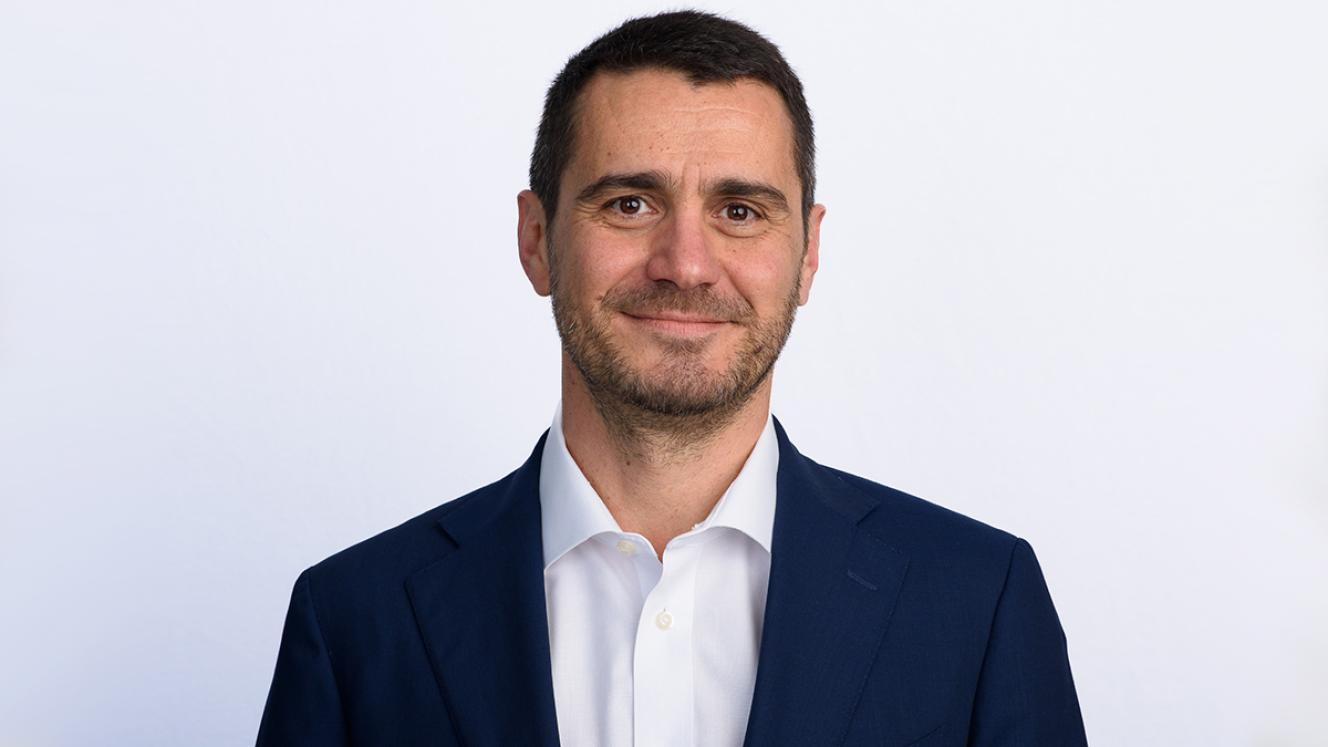
South Africa’s electricity procurement programmes should be redesigned around dispatchable power, grid use and system services rather than separate technology-specific procurement rounds, says Scatec Sub-Saharan Africa Executive Vice President and General Manager Alberto Gambacorta.
Gambacorta told Energize that the country’s electricity challenge is no longer only about adding generation capacity. It is also about matching supply with demand, using constrained transmission infrastructure more efficiently and enabling technologies that can provide system support.
“We should focus less on ‘I need to procure solar’ or ‘I need to procure wind’ or ‘I need to procure battery energy storage systems’ on a standalone basis,” he said. “It should be: There’s a problem that needs to be solved in terms of procurement. We need this amount of electricity. We need this capacity. We need it with this type of profile.”
Procurement rounds should allow developers to design hybrid projects that meet specified system requirements rather than requiring bids based on single technologies. “Let the procurement rounds be about hybrid projects as opposed to single technology. That can be a very quick win,” Gambacorta said.
Standalone solar has clear technical limits because it is intermittent and, in South Africa, the strongest solar resource is not necessarily located where demand is highest, he added. “The best solar resource is in the Northern Cape. The largest demand is elsewhere in the country.”
Solar and battery storage can address part of this mismatch by shifting generation to periods of higher demand and improving the use of transmission infrastructure. “It allows the grid to be used more efficiently – to sweat it a bit more – because it is a scarce resource and a capital-intensive infrastructure asset,” Gambacorta said.
Battery storage should not be viewed only as a means of storing electricity for later use, he added. “It is another layer of grid stability and services, which traditionally have been supplied only through the large baseload thermal power plants such as coal, gas and oil-fired power plants.”
Policy implementation and market design have not kept pace with the speed at which generation and storage technologies can now be deployed, Gambacorta said. “There should be a transparent market that incentivises those services in the grid whether they are provided by storage or by traditional generation. You need a level playing field between the different players – private and public.”
The issue is less the absence of policy than the implementation of market and procurement structures that reflect what hybrid technologies can now provide, he said.
Gambacorta linked outcome-based procurement to wider electricity market reform, including the planned South African Wholesale Electricity Market (SAWEM). “It will allow a whole host of different signals to be given to the market for developers like us and for the incumbent, meaning Eskom Generation and Eskom Green, to provide not just the electrons but all those services required to keep up with demand and generation.”
However, wholesale electricity markets take time to develop, he added. “If we look at other examples around the world, it takes years. It takes almost a decade to have fully functioning wholesale electricity markets. It’s not going to happen overnight.”
South Africa should also assess whether more grid capacity can be unlocked through updated modelling and closer collaboration between the private sector and Eskom, Gambacorta said.
Within the next 12 months, South Africa should work towards agreement on whether more grid capacity is available than is currently reflected in the Generation Connection Capacity Assessment, he added. The related studies could be run by the private sector together with Eskom.
Gambacorta also pointed to storage procurement in key areas of the grid as one way to enhance the capacity currently available on the network.
Progress in the independent transmission programme, tariff restructuring, trading rules and SAWEM will all contribute to “a liberalised and more efficient market and a more efficient way of running the grid and matching demand with generation,” he said.