Africa’s data centre sector is expanding at a pace that few anticipated even five years ago.
According to the Africa Data Centres Association, the continent’s market was valued at US$3.49 billion in 2024 and is projected to reach US$6.81 billion by 2030, driven by cloud adoption, mobile services, fintech growth and increasingly assertive data sovereignty regulations.
South Africa alone hosts 56 facilities, the continent’s largest footprint, with utilisation rates already exceeding 83% and projected to surpass 94% by 2030, according to the African Energy Chamber’s State of African Energy 2026 Outlook. Kenya, Nigeria and Egypt are following fast.
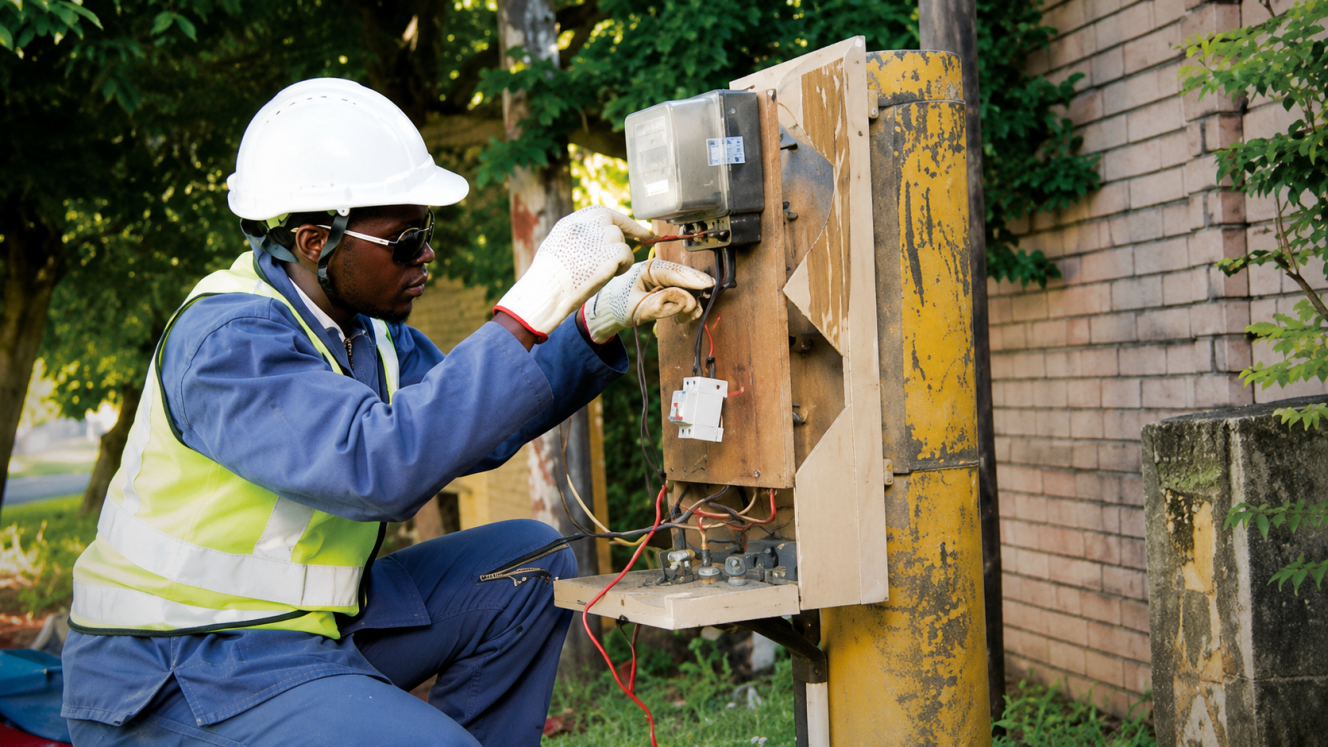
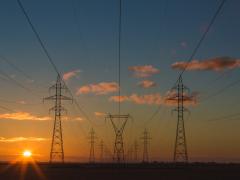
Yet, underneath these headline figures, lies a structural tension that every operator, consultant and original equipment manufacturer working in this region understands first-hand: African grids, in many markets, were not built to sustain mission-critical infrastructure.
In Nigeria, the African Energy Chamber estimates data centre power demand is 137 MW while the national grid routinely delivers only a fraction of that with any consistency. In South Africa, years of load shedding have forced operators to engineer backup systems for extended runtime – not just emergency cover. Across the continent, energy-related expenditure represents a disproportionate share of total operating costs compared to European or Asian counterparts.
The practical consequence is straightforward: on-site backup generation is a primary infrastructure layer in African data centre design.
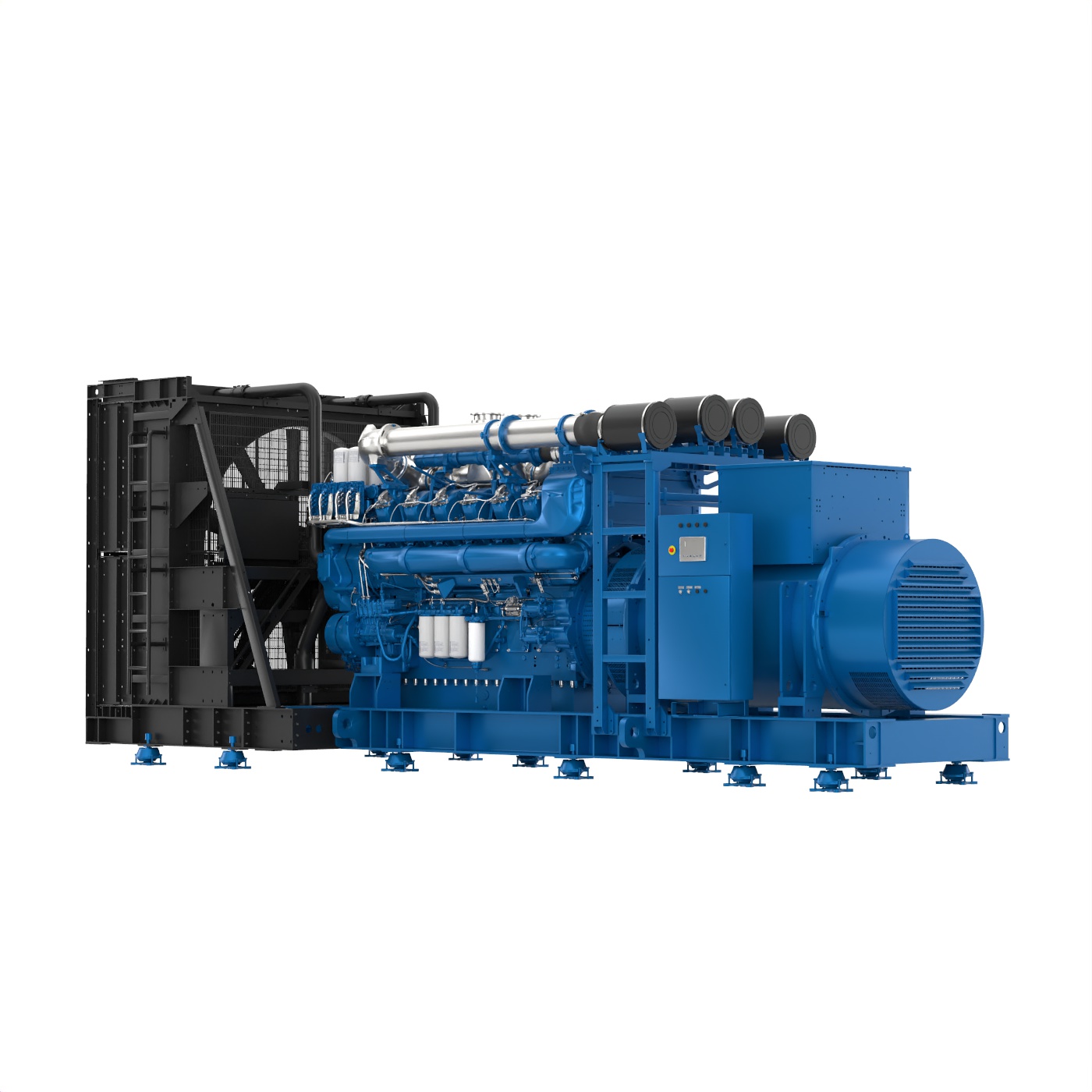
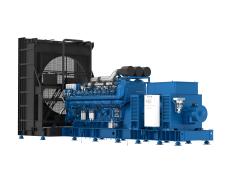
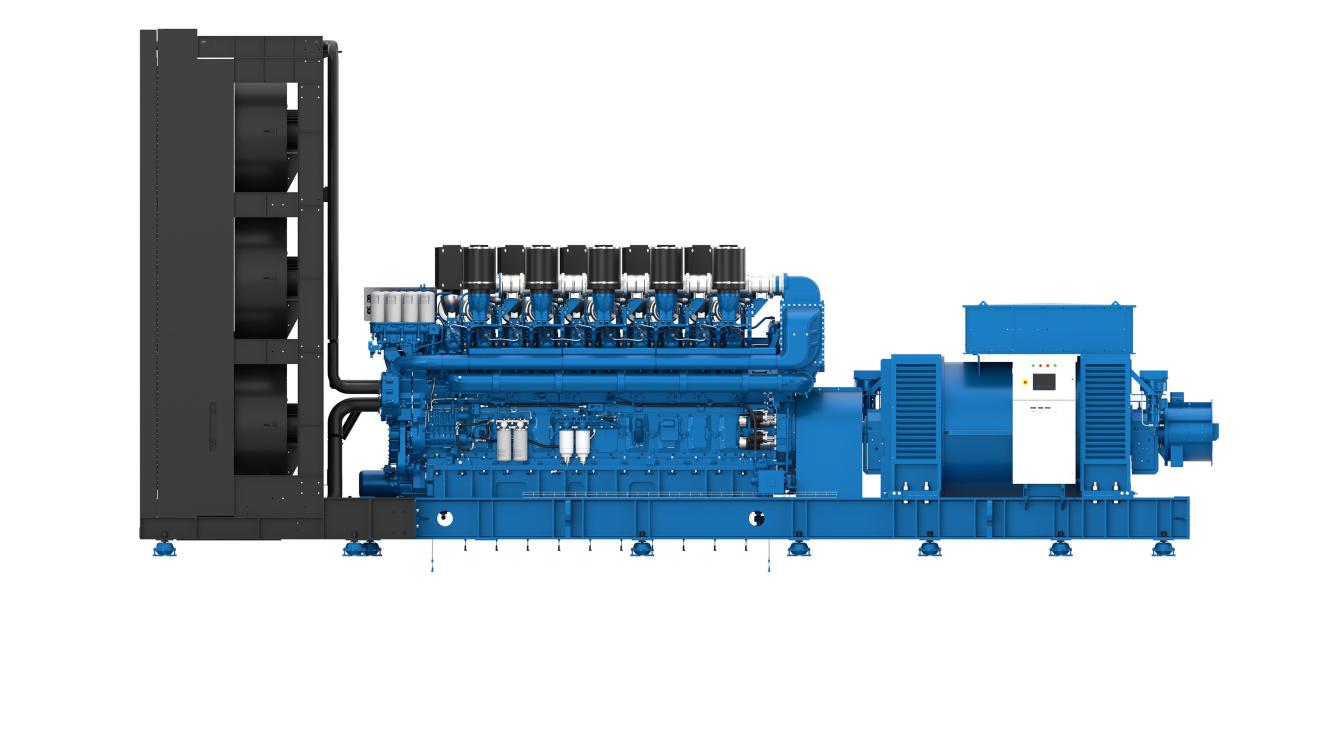
This is precisely the environment for which Baudouin has engineered its data centre generator set range.
From 2 000 kVA to 6 250 kVA, the line-up is designed to simplify redundancy architectures and reduce the number of generation units per bus in N+1 and 2N configurations. Every unit carries pre-approved Uptime Institute ratings, removing the validation burden from the operator at the tier certification stage.
On load acceptance, every unit meets ISO 8528-5 G3 performance, meaning full rated load picked up in a single step, with frequency and voltage recovery within the tolerances defined by the standard. In a grid environment where transfer events are frequent, single-step capability is the difference between a stable transfer and a cascaded trip.
Output voltage options cover 400 V for low- and mid-range configurations and 11 kV (50 Hz)/13.8 kV (60 Hz) for high-power units, reducing copper distribution runs and switchgear complexity in large-scale deployments. The full range is hydrotreated vegetable oil-compatible, supporting operators with sustainability and net zero procurement commitments.
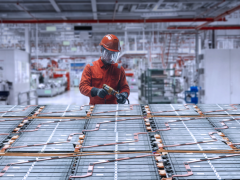
On the supply side, Baudouin is making a significant industrial commitment. Its Cassis (France) facility is undergoing major expansion in 2026: production capacity scaling fivefold in units per year, a new 6 MVA load test bench and an automated paint cabin. Built in France, this investment reflects Baudouin’s long-term commitment to meeting growing global demand for large-scale data centre backup power.
Baudouin will be present at Pan African DataCentres 2026, Booth F3, at the Sandton Convention Centre, Johannesburg, on June 23-24. The team will be available to discuss specifications, project timelines and configuration requirements for hyperscale and colocation applications.