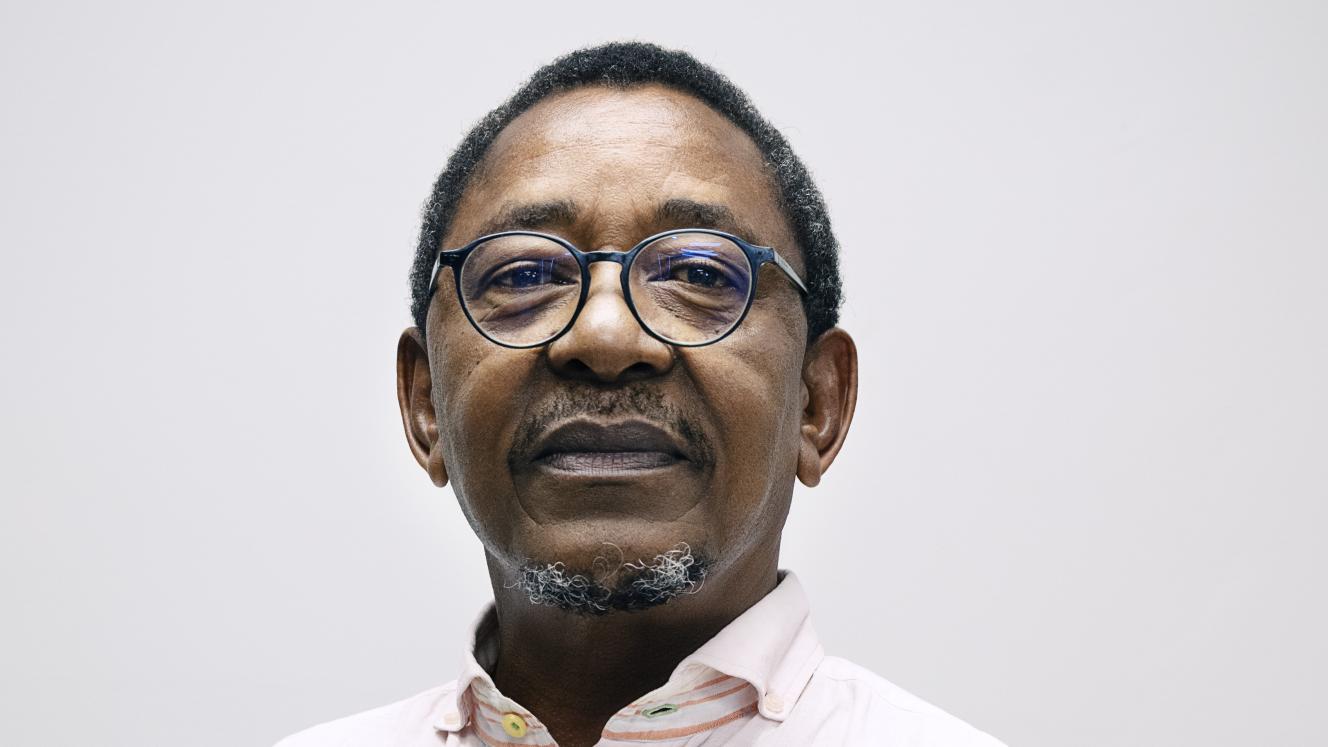
South Africa has made measurable progress in expanding generation capacity in recent years. Utility-scale renewable energy programmes, private-sector projects and embedded generation have all helped increase available supply in response to persistent electricity shortages, says Sydney Mabalayo, Strategy and Business Development Director at Southern Power Maintenance.
As new capacity comes online, pressure is increasingly shifting towards how that capacity is connected, managed and sustained once operational.
Across many projects, systems are successfully energised but still require ongoing intervention to operate consistently. This is not always due to major design flaws. In many cases, challenges emerge from how systems are configured, integrated and carried through into operation.
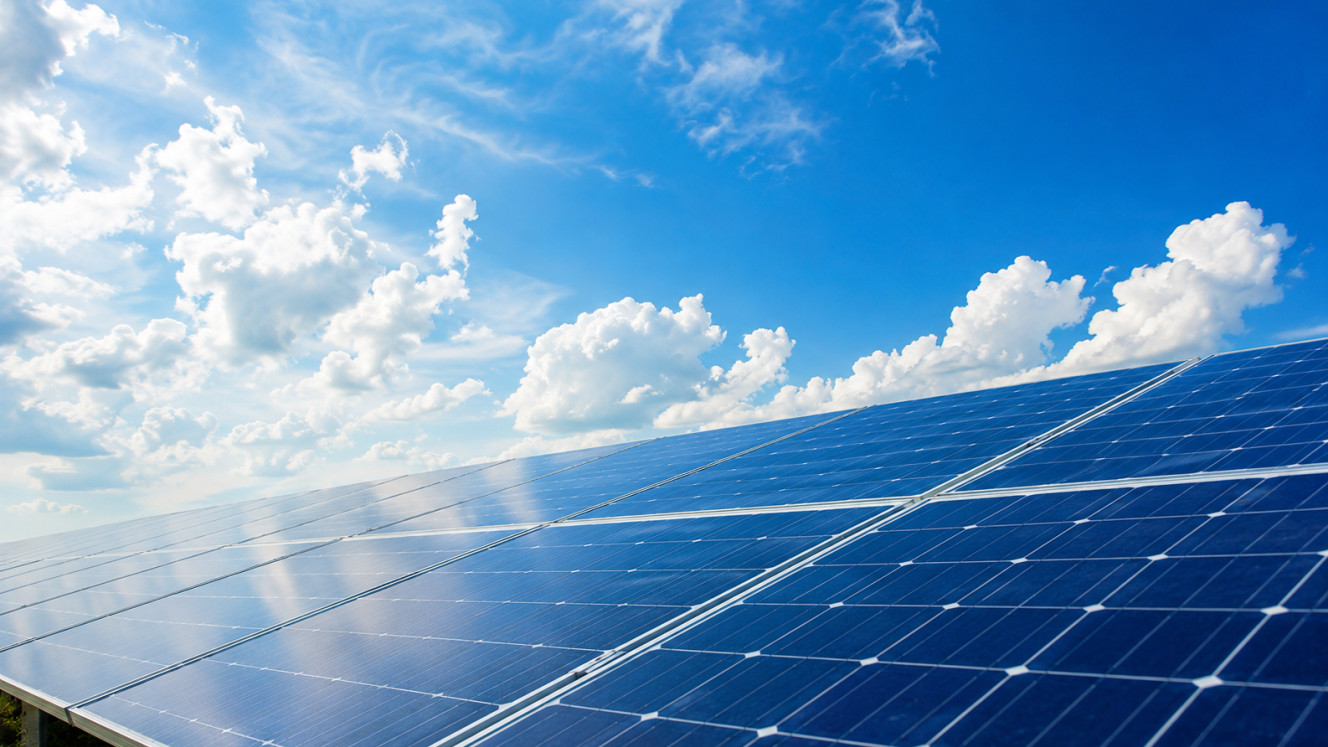
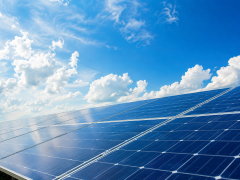
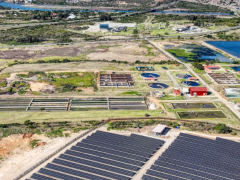
Every generation project depends on supporting infrastructure beyond the generation source. In solar projects, this balance of plant includes inverters, mounting structures, cabling, switchgear and transformers. These systems are central to converting, controlling and delivering power into the network.
The same principle applies across other forms of generation where supporting infrastructure plays a critical role in overall reliability.
In practice, this is where project performance often begins to diverge. Two facilities may use similar equipment and designs yet perform very differently once operational. Assets may trip unexpectedly, protection systems may fail to co-ordinate correctly or equipment may require repeated intervention to remain online. While these issues may not constitute major failures, they can affect reliability, availability and long-term asset value.
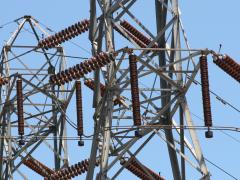
At the same time, grid access and transmission capacity are becoming increasingly important constraints. In some regions, limitations in the transmission network are slowing the connection of new projects and drawing greater attention to the condition and readiness of existing infrastructure.
The growing focus on smart grids reflects a broader shift towards more responsive and data-driven energy systems. Advances in metering, communication technologies and analytics are improving visibility across networks and enabling better demand management.
However, these capabilities still depend on accurate inputs and consistent infrastructure performance. Where systems are poorly maintained or insufficiently aligned, technology tends to expose weaknesses rather than resolve them.
For asset owners, utilities and developers, this places greater emphasis on commissioning and long-term maintenance. Decisions made during design, procurement and installation directly influence operational stability and maintenance requirements over the life of the asset.
The expansion of generation capacity will remain central to South Africa’s energy transition. Increasingly, however, the value of that capacity will depend not only on how quickly it is added but on how effectively it is integrated, tested and maintained once in operation.